
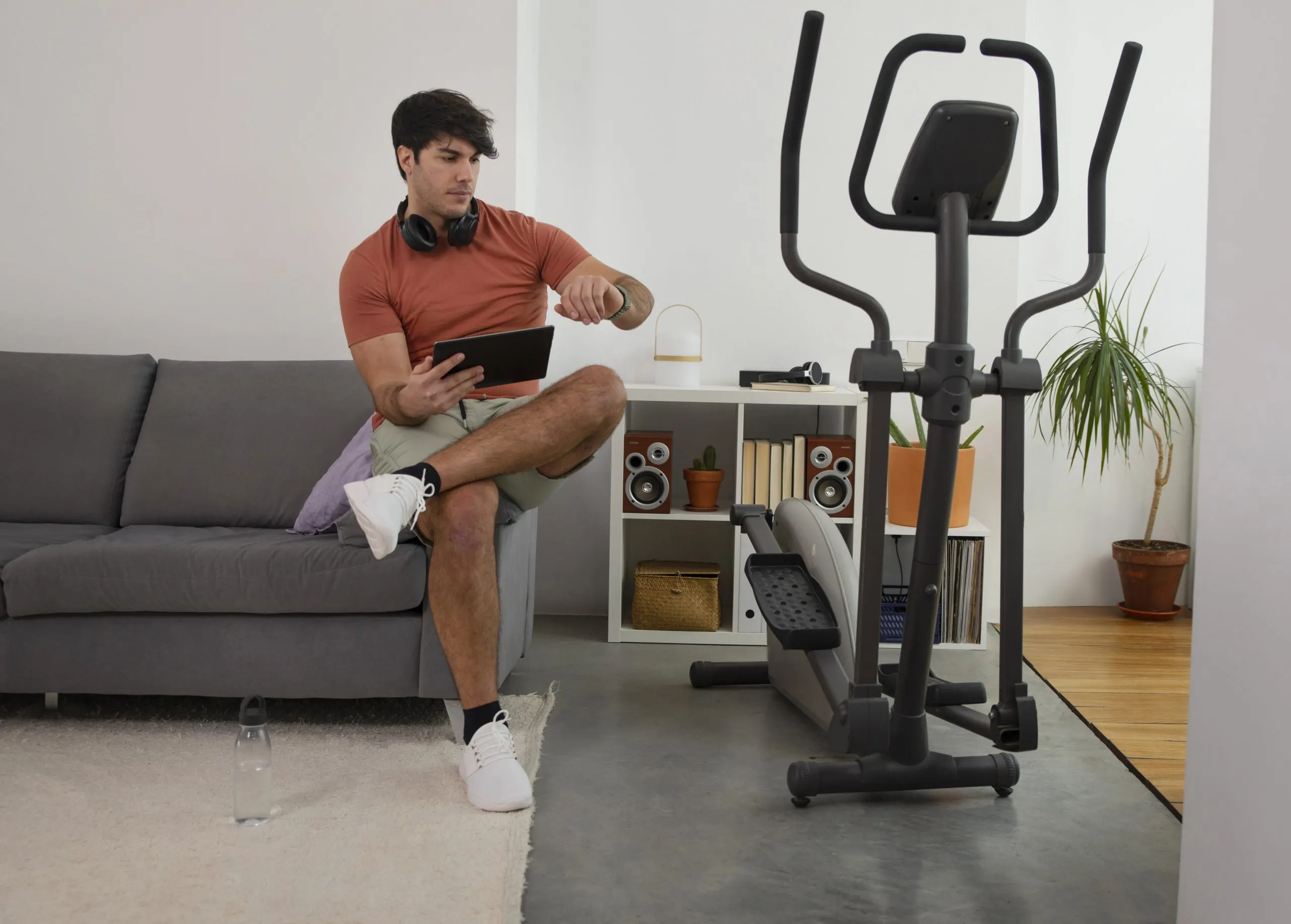
The USA home fitness equipment market is moving steadily from a pandemic-era convenience to a long-term lifestyle category. Consumers are no longer buying equipment only as an alternative to gyms; they are investing in flexible workout spaces that fit around work, family, and daily routines. The market has already shown strong potential, with estimates placing the U.S. home fitness equipment market from USD 5.09 billion in to reach USD 8.50 billion at a 7.59% CAGR, in the upcoming years. As fitness becomes more personal, connected, and convenience-driven, demand is rising for smart treadmills, bikes, rowing machines, compact strength systems, and app-linked workout devices. As we move ahead, home fitness is expected to become a more integrated part of everyday wellness rather than a separate activity people need to schedule.
Market factors driving Home Fitness Equipment demand in the US
Health Awareness Is Becoming More Personal
Americans are paying closer attention to fitness as part of broader health management, especially for weight control, heart health, mobility, and stress reduction. Many consumers now view exercise equipment as a practical household investment rather than a luxury purchase. This shift is supported by public health data showing that only 47.2% of U.S. adults met aerobic physical activity guidelines earlier, leaving significant room for solutions that make exercise easier and more consistent. Home equipment helps remove common barriers such as commuting to the gym, weather conditions, busy schedules, and lack of privacy. For many users, having a treadmill, bike, or strength setup at home makes it easier to maintain small but regular workout habits.
Smart Fitness Is Changing User Expectations
Smart fitness equipment is one of the strongest growth drivers in the market. Consumers increasingly expect machines to do more than basic tracking; they want guided classes, performance data, goal setting, app integration, and personalized workout recommendations. Connected bikes, treadmills, mirrors, and strength-training systems are helping users recreate a studio-like experience at home. This shift also benefits companies because digital memberships and subscription-based content create recurring revenue beyond the initial equipment sale. As artificial intelligence, virtual coaching, and wearable integration improve, home fitness equipment will become more interactive, adaptive, and user focused.
Convenience Is Still the Biggest Selling Point
Convenience remains one of the most important reasons consumers choose home fitness equipment. Home workouts allow people to exercise before work, between meetings, after childcare duties, or whenever they have a short window of time. This flexibility has made hybrid fitness common, where consumers combine gym sessions, outdoor activity, and home-based workouts. Compact and multifunctional products are gaining popularity because they fit better into apartments and smaller homes. Foldable treadmills, adjustable dumbbells, resistance systems, and all-in-one strength machines are especially appealing to consumers who want results without dedicating an entire room to exercise.
US Government Policy Support to boost Fitness Equipment Industry
Government support for the market is mostly indirect, but it remains important. Public health agencies continue to promote regular physical activity as a way to reduce chronic disease risk and improve overall well-being. CDC guidance recommends adults complete at least 150 minutes of moderate-intensity activity per week, along with muscle-strengthening activities on two days weekly. These recommendations encourage consumers to build exercise into daily life, and home fitness equipment can make that easier. Campaigns focused on obesity prevention, active aging, diabetes management, and heart health also help increase awareness of regular movement. As healthcare costs rise, preventive wellness is likely to remain a strong theme supporting long-term market demand.
Competitive Landscape of the US Home Fitness Equipment Market
The competitive landscape is becoming more technology-driven and customer-focused. Established fitness equipment companies, connected fitness brands, sporting goods retailers, and digital wellness platforms are all competing for consumer attention. Key players in the market include Peloton, Nautilus, Life Fitness, NordicTrack, and Bowflex. Competition is no longer based only on machine quality or price. Brands are now competing through app ecosystems, instructor-led content, financing plans, compact design, service support, and personalized training features. Companies that can combine durable equipment with engaging digital experiences are more likely to retain customers over the long term.
Barriers affecting the Home Fitness Equipment Adoption in the US
High Costs Can Limit Wider Reach
Premium home fitness equipment remains expensive for many households. Smart treadmills, bikes, rowers, and connected strength systems often require a significant upfront investment. In addition, many brands charge monthly subscription fees for access to guided classes, performance tracking, and full digital features. This creates affordability concerns, especially for price-sensitive consumers. Budget-friendly equipment, second-hand products, free workout apps, and traditional gyms may continue to compete strongly with premium connected fitness brands.
Space and Long-Term Usage Remain Concerns
Space is another practical challenge for the home fitness equipment market. Many consumers, especially those living in apartments or urban homes, may not have enough room for bulky machines. Even when equipment is purchased, long-term usage can decline if consumers lose motivation or do not see clear progress. To address this, brands need to focus on compact formats, foldable designs, and products that fit naturally into home environments. Better personalization, progress tracking, and engaging workout content can also help improve consistency and reduce the risk of equipment being underused.
Future Outlook
The USA home fitness equipment market is expected to remain growth-oriented in the upcoming years, supported by connected fitness, health awareness, and demand for flexible workout options. While the market is projected to reach USD 8.50 billion, future growth will depend on how well brands make products more affordable, compact, and engaging. In the coming years, home fitness may become part of a broader home wellness ecosystem that includes wearables, nutrition apps, virtual coaching, recovery tools, and health-monitoring platforms. Companies that focus on real user needs convenience, motivation, affordability, and measurable results will be better positioned to grow. The strongest opportunities will likely come from products that help people build sustainable routines rather than simply offering another machine.
Consultants at Nexdigm, in their latest publication “USA Home Fitness Equipment Market Outlook to 2035” analyze the sector by Product Category (Cardiovascular Equipment, accessories and Support, Strength and Resistant Equipment, Smart Devices), by Price Category (Mass/Economy Tier, Mid-range Products, Premium Tier Equipment).
Nexdigm suggests that businesses should focus on affordable, compact, and connected fitness solutions that match evolving consumer lifestyles. Companies should invest in smart features, flexible subscription models, strong after-sales service, and personalized workout experiences to improve customer retention and capture long-term growth in the USA home fitness equipment market.
To take the next step, simply visit our Request a Consultation page and share your requirements with us.
Harsh Mittal
+91-8422857704