
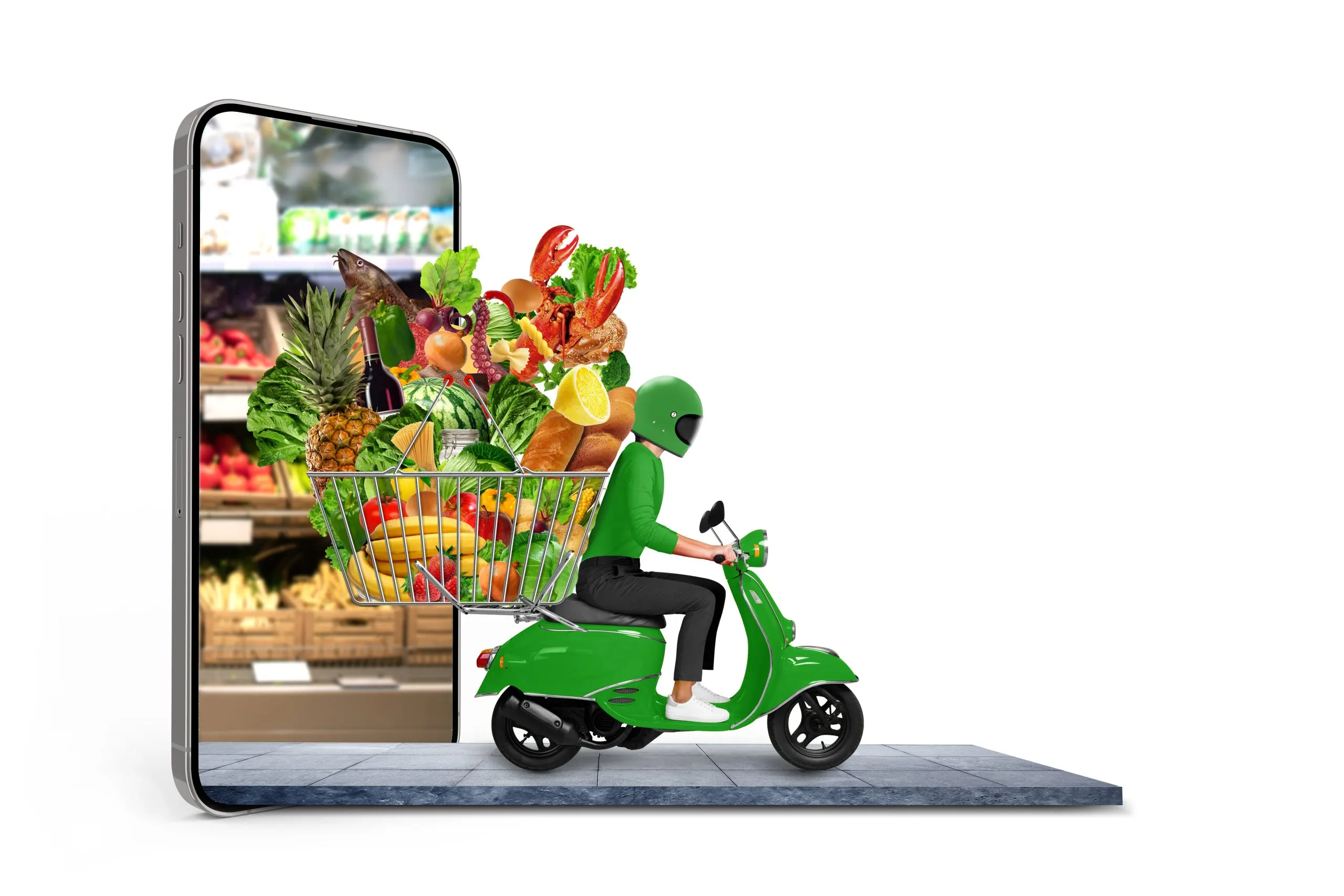
The USA online grocery delivery market has transformed the way consumers shop, driven by convenience, time savings, and digital adoption. With busy lifestyles and increasing internet penetration, more households are turning to online platforms for their daily grocery needs. The market has already crossed USD 150 billion in value, with over 60–70% of U.S. consumers having tried online grocery shopping at least once. What began as a convenience-led trend has now become a mainstream retail channel. From same-day delivery to subscription models, the sector continues to evolve rapidly, reshaping the future of food retail across the country.
Key Drivers Accelerating the USA Online Grocery Delivery Market
Changing Consumer Lifestyles and Convenience Demand
Modern consumers increasingly prioritize convenience, especially in urban areas where busy schedules leave limited time for in-store shopping. Online grocery platforms allow users to shop anytime, compare prices, and receive doorstep delivery. This shift is particularly pronounced among working professionals and families, with over 60% of U.S. households now using some form of online grocery service. The ability to schedule deliveries and access a wide product range has made digital grocery shopping a preferred choice for many.
Growth of E-Commerce and Digital Infrastructure
The rapid expansion of e-commerce infrastructure, including mobile apps, digital payments, and advanced logistics, has fueled online grocery adoption. Retailers are investing heavily in automation, AI-driven recommendations, and supply chain optimization to enhance customer experience. Same-day and even one-hour delivery options are becoming more common, making online grocery shopping competitive with physical stores. This digital transformation is not only improving efficiency but also increasing repeat purchases and customer loyalty.
Expansion of Delivery Models and Service Innovation
The market is witnessing the rise of diverse delivery models, including click-and-collect, subscription-based services, and dark stores. Companies are experimenting with micro-fulfillment centers and last-mile delivery innovations to reduce delivery times. Partnerships between grocery chains and tech platforms have also expanded service reach, enabling faster scaling. These innovations are helping brands cater to evolving consumer expectations while strengthening market penetration across regions.
USA Online Grocery Delivery Market Supported by Digital Retail and Policy Initiatives
The USA online grocery delivery market benefits from broader government support for digital infrastructure and e-commerce growth. Policies promoting internet accessibility, digital payments, and small business enablement have strengthened the online retail ecosystem. Additionally, food assistance programs such as SNAP have been expanded to include online grocery purchases, encouraging adoption among a wider consumer base. These initiatives are helping make online grocery services more inclusive, accessible, and integral to the retail landscape.
Competitive Landscape of USA Online Grocery Delivery Market
The competitive landscape is dominated by major players such as Walmart, Amazon, Instacart, and Kroger, alongside emerging regional platforms. These companies compete on pricing, delivery speed, product variety, and customer experience. Strategic partnerships, acquisitions, and investments in technology are key competitive strategies. Private labels and subscription services are also gaining traction, helping companies build customer loyalty. As competition intensifies, differentiation increasingly depends on convenience, reliability, and digital innovation.
USA Online Grocery Delivery Market Faces Challenges Impacting Growth Trajectory
High Operational Costs and Logistics Complexity
Last-mile delivery, cold chain management, and inventory handling contribute to high operational costs. Maintaining efficiency while ensuring timely delivery remains a key challenge for providers.
Thin Margins and Price Sensitivity
Online grocery retail operates on relatively thin margins, with consumers often comparing prices across platforms. Discounts and promotions, while effective in attracting customers, can impact profitability and long-term sustainability.
Future Outlook
The future of the USA online grocery delivery market looks strong, with continued growth expected as digital adoption deepens. The market is projected to expand steadily, supported by advancements in logistics, automation, and personalized shopping experiences. Emerging technologies such as AI, robotics, and drone delivery could further revolutionize the sector. Additionally, sustainability initiatives like eco-friendly packaging and optimized delivery routes are likely to gain importance. As consumer expectations continue to evolve, online grocery delivery will shift from being a convenience to a necessity, solidifying its position as a core component of the U.S. retail ecosystem.
Consultants at Nexdigm, in their latest publication “USA Online Grocery Delivery Market Outlook to 2035,” analyze the sector By Product Type (Fresh Food, Packaged Food, Beverages), By Platform Type (E-Commerce Platforms, Mobile Apps, Subscription-Based services).
Nexdigm suggests that businesses should write market‑relevant context by integrating data‑driven insights on market trends, customer behavior, competitive landscape, and growth opportunities to enable informed and strategic decision‑making.
To take the next step, simply visit our Request a Consultation page and share your requirements with us.
Harsh Mittal
+91-8422857704