
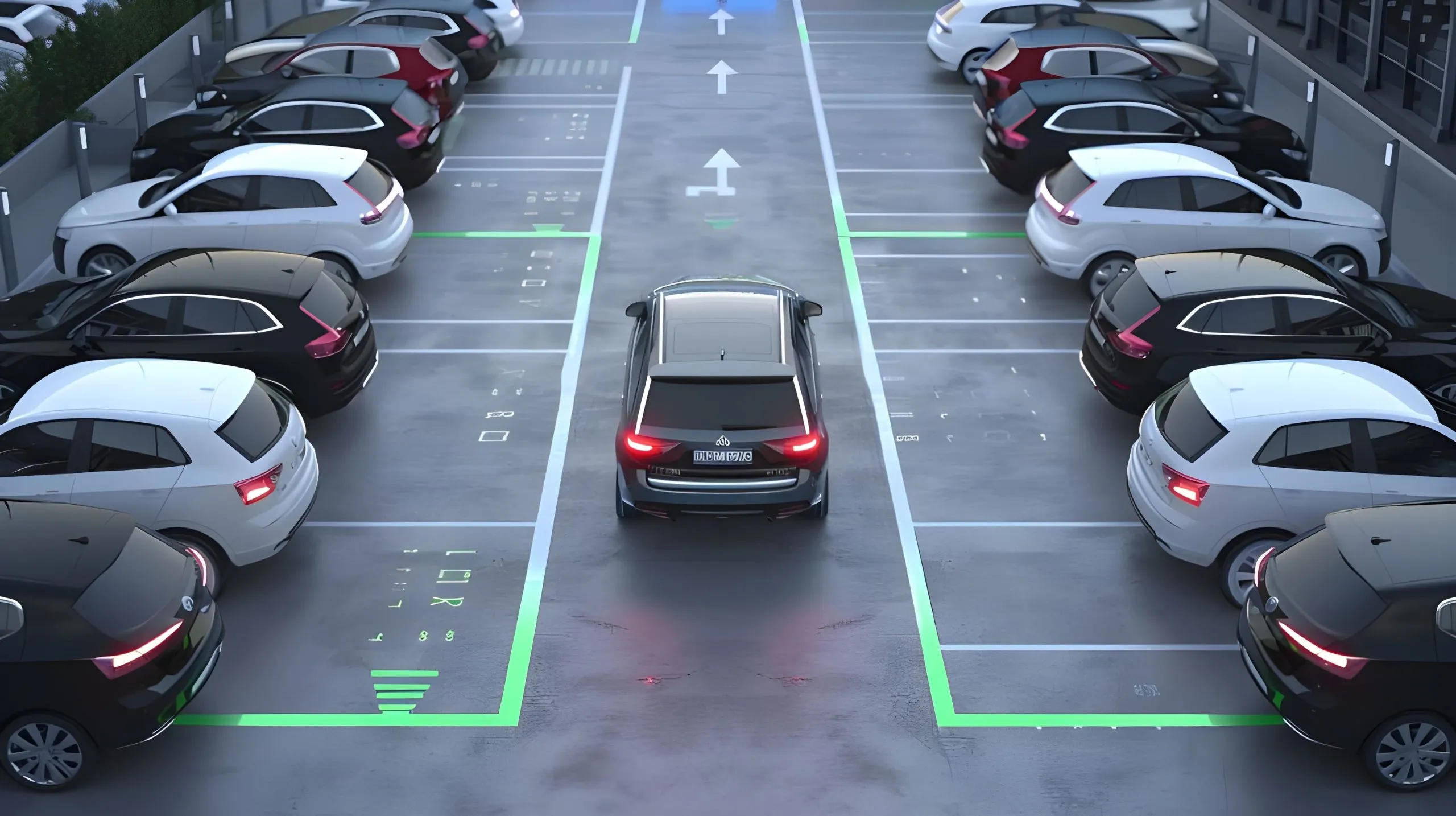
The US automotive industry has moved well beyond basic safety features, and parking assistance systems are becoming part of everyday driving rather than a premium add-on. In crowded cities where parking spots continue to shrink and vehicle sizes keep growing, drivers are leaning more heavily on technology that can simplify maneuvering. Features such as rear parking sensors, surround-view cameras, automated steering assistance, and self-parking systems are now appearing in a broader range of vehicles, including compact SUVs and electric cars. By 2026, most major automakers in the US market offer some level of parking assistance package, largely because consumers have started treating these systems as practical necessities instead of luxury technology. Pickup trucks, which remain extremely popular in the country, are another major factor. Parking a full-size truck in a tight urban parking garage without camera support is not easy, even for experienced drivers. At the same time, insurers and regulators continue pushing for technologies that can reduce low-speed collisions and pedestrian accidents.
What’s Driving the Parking Assistance Systems Market in the USA?
Urban Traffic and Tight Parking Spaces
Anyone who has tried parking in downtown Chicago, Manhattan, or San Francisco knows the problem firsthand. Urban congestion has made parking stressful, especially as larger SUVs dominate American roads. Parking assistance systems help drivers navigate narrow spaces with fewer scratches, bumps, and failed attempts. In practice, many consumers first experience these systems through simple rear-view cameras, then gradually move toward vehicles equipped with automated parking features. There is also a practical side for commercial fleets. Delivery vans operating in dense neighborhoods benefit from parking sensors because even small parking-related incidents can lead to repair costs, insurance claims, and operational delays.
Electric Vehicles and Software-Based Features
Electric vehicle manufacturers have played a surprisingly important role in normalizing advanced parking technologies. Companies such as Tesla popularized software-heavy driving experiences where features can improve through updates rather than mechanical upgrades. Consumers buying EVs now often expect 360-degree cameras, intelligent parking alerts, and automated parking support as standard. Traditional automakers are responding quickly. Brands including Ford Motor Company and General Motors have expanded their driver-assistance offerings across mid-range vehicle categories. What used to be exclusive to luxury sedans is gradually filtering into mainstream vehicles. Still, some systems remain inconsistent in real-world conditions, particularly during heavy rain or poor road visibility.
Safety Regulations and Consumer Awareness
Government safety mandates continue shaping the market in a quiet but powerful way. The rear-view camera requirement introduced in the United States changed consumer expectations almost overnight. Once drivers became comfortable relying on camera visibility, interest naturally expanded toward parking sensors and semi-automated systems. Parents with young children and elderly drivers are among the strongest adopters. A common concern involves blind spots in large SUVs and pickup trucks. Parking assistance systems reduce some of that anxiety, especially in suburban shopping centers and school parking lots where pedestrian movement can be unpredictable.
Government Regulations and Safety Standards
Federal safety agencies in the US continue encouraging the adoption of advanced driver-assistance technologies. While regulators are not mandating full self-parking systems yet, pressure around pedestrian safety and low-speed collision reduction is pushing automakers to include more intelligent parking tools across vehicle portfolios. Some state governments are also supporting pilot programs linked to autonomous mobility and connected infrastructure. On the ground, these developments matter because parking technology increasingly depends on software integration rather than standalone hardware. Vehicles now communicate with sensors, mapping systems, and cloud-based applications in ways that were uncommon even five years ago.
Market Competition
Competition in the market remains intense, particularly among automotive technology suppliers. Companies continue investing heavily in sensor accuracy, AI-supported parking software, and camera systems. Automakers are also working directly with software firms to improve automated parking performance. One noticeable trend is the growing importance of software reliability over hardware alone. Drivers may tolerate minor sensor limitations, but inconsistent system behavior quickly damages consumer trust. That challenge has forced suppliers to focus more on real-world usability rather than flashy demonstrations.
High Costs and Technical Limitations
Despite strong adoption trends, advanced parking systems still face cost-related barriers. Fully automated parking features often rely on multiple cameras, radar modules, ultrasonic sensors, and AI processors, which can raise vehicle prices considerably. For entry-level car buyers, these features may still feel optional rather than essential. There are technical trade-offs too. Parking systems perform well in structured parking lots but can struggle in poorly marked spaces, snowy environments, or crowded urban streets with unpredictable obstacles. In real driving conditions, drivers still need to stay alert instead of relying entirely on automation.
Future Outlook
The US parking assistance systems market will likely evolve alongside broader autonomous driving development through 2030. Automated parking features are gradually becoming standard in premium and upper mid-range vehicles, and this shift should continue as sensor costs decline over time. Smart parking infrastructure may become equally important. Cities experimenting with connected traffic systems and digital parking management could create smoother integration between vehicles and parking spaces. That said, consumer adoption will depend heavily on reliability. Drivers are willing to pay for convenience, but only when the technology consistently works without confusion or false alerts.
Consultants at Nexdigm, in their latest publication “USA Parking Assistance Systems Market Outlook to 2030,” analyzed the market by Technology (Ultrasonic Sensors, Radar-Based Systems, Camera-Based Systems, Fully Automated Parking Systems), By Vehicle Type (Passenger Cars, SUVs, Electric Vehicles, Commercial Vehicles), and By Sales Channel (OEMs and Aftermarket). Nexdigm believes companies should focus on software reliability, sensor accuracy, and affordable integration models, particularly as parking assistance systems transition from premium features into mainstream automotive expectations.
To take the next step, simply visit our Request a Consultation page and share your requirements with us.
Harsh Mittal
+91-8422857704