
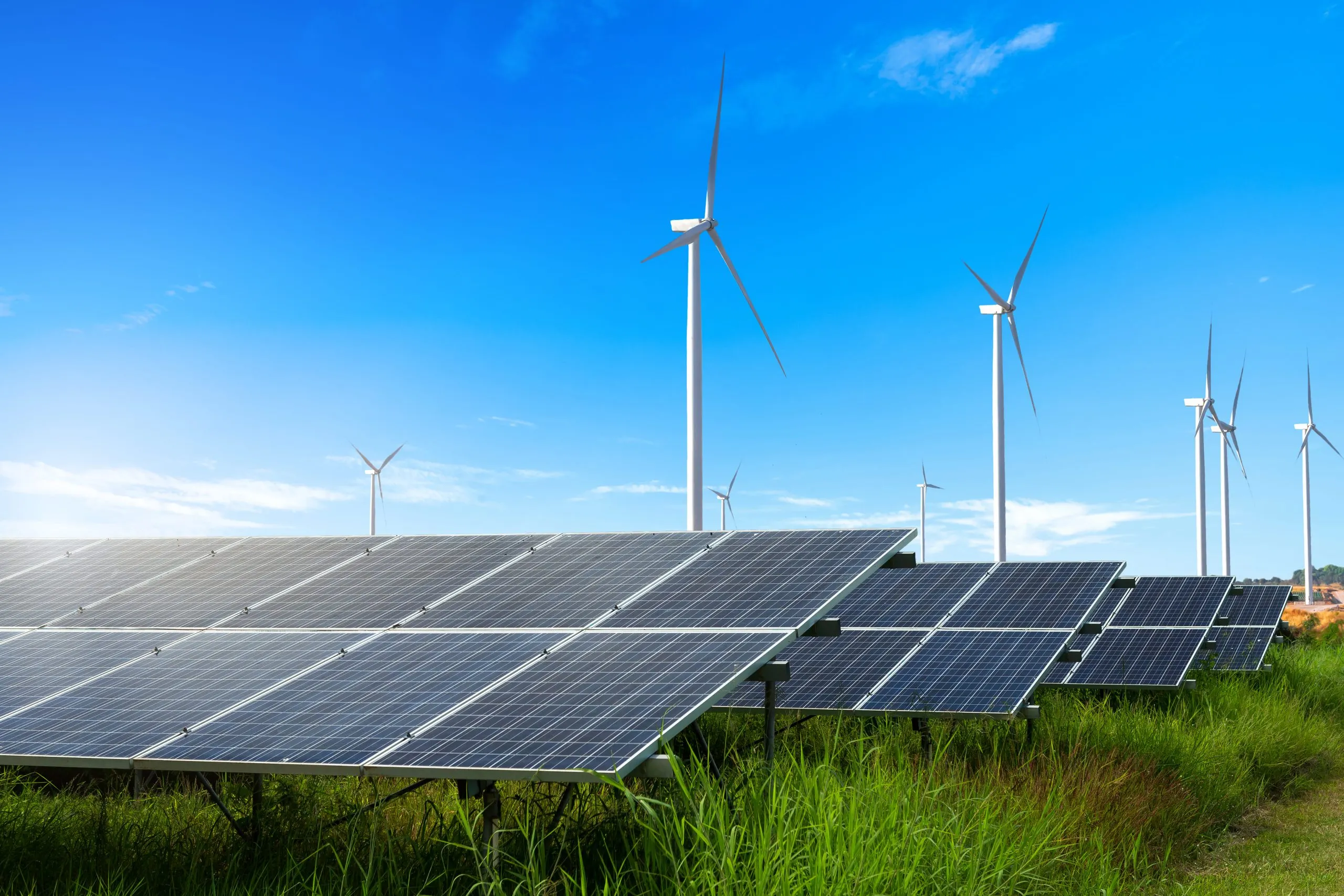
The US renewable energy market has moved well beyond the early adoption phase. What once depended heavily on subsidies and pilot projects has now become a serious industrial and infrastructure priority across the country. By 2026, solar farms stretch across Texas deserts, offshore wind projects are advancing along the East Coast, and battery storage facilities are appearing next to utility-scale renewable plants. Clean energy is no longer discussed only in environmental terms. For many states and businesses, it has become an economic decision tied to energy security, manufacturing, and long-term electricity costs. Federal support continues to shape the market, especially after the Inflation Reduction Act unlocked billions of dollars in tax incentives and domestic manufacturing support. Yet on the ground, the story is more complex. Some regions are expanding renewable capacity rapidly, while others still struggle with grid bottlenecks, land-use disputes, and delays in transmission approvals. Even so, investment appetite remains strong, particularly in solar, storage, and green hydrogen projects.
What’s Driving the Renewable Energy Market in the USA?
Utility-Scale Solar Projects Continue Expanding
Large solar developments remain one of the strongest contributors to renewable capacity additions in the US. States such as Texas, Arizona, and Nevada continue to attract utility-scale projects because of favorable sunlight conditions and comparatively lower land costs. In practice, many utilities now view solar as one of the cheaper options for new electricity generation, especially when paired with storage systems. Corporate demand has also played a major role. Technology companies operating large data centers are signing long-term renewable electricity agreements to stabilize energy expenses and meet carbon reduction targets. This trend has created a reliable customer base for developers, even during periods of economic uncertainty.
Battery Storage Is Becoming Essential
A few years ago, battery storage was often treated as a secondary component in renewable projects. That has changed quickly. Grid operators now rely on storage facilities to handle fluctuations in solar and wind output, particularly during evening demand peaks when electricity use remains high but solar generation drops sharply. California and Texas have become notable examples of this shift. Both states experienced grid reliability concerns during extreme weather periods, pushing utilities to accelerate battery deployment. While storage technology still faces cost and supply chain pressures, many developers now treat it as necessary infrastructure rather than an optional add-on.
Manufacturing Incentives Are Reshaping Investment
The push for domestic clean energy manufacturing has gained momentum across the US. Federal incentives tied to locally produced solar panels, batteries, and wind turbine components are encouraging companies to establish factories in states such as Georgia, Ohio, and Michigan. There is also a political angle to this transition. Policymakers increasingly want to reduce dependence on imported clean energy equipment, particularly from Asia. On paper, domestic manufacturing expansion sounds straightforward. In reality, labor shortages, higher production costs, and permitting delays continue to slow progress in some areas.
Government-Led Initiatives
Federal and state governments remain central to renewable energy expansion. The Inflation Reduction Act introduced long-term production and investment tax credits that gave developers far more certainty than previous short-term extensions. Several states, including California and New York, have also introduced aggressive clean electricity mandates tied to 2035 and 2040 targets. Public funding is not limited to generation projects alone. Transmission infrastructure, electric vehicle charging networks, and hydrogen hubs are receiving significant support as well. Still, many industry participants argue that permitting reform may matter just as much as financial incentives. Without faster approval timelines, some large projects could remain stalled despite strong investor interest.
Market Competition
The US renewable energy market remains highly competitive, with utilities, oil majors, infrastructure investors, and technology firms all competing for market share. Companies such as NextEra Energy, First Solar, Tesla, and General Electric continue expanding their presence across solar, wind, and storage segments. Some firms are focusing heavily on vertically integrated operations, while others are prioritizing software and grid management capabilities to differentiate themselves.
Grid Infrastructure Remains a Major Challenge
One of the biggest obstacles facing the US renewable energy market is the aging transmission network. Renewable generation projects are often built far from urban demand centers, creating congestion issues and lengthy interconnection queues. A common challenge is that transmission projects can take years longer to approve than the renewable facilities themselves. This mismatch has frustrated developers and utilities alike. In some regions, fully constructed solar or wind farms still wait months for grid access approvals. Without significant upgrades to transmission infrastructure, renewable deployment may struggle to keep pace with national clean energy targets.
Future Outlook
The US renewable energy sector is likely to remain one of the world’s largest clean energy investment markets through 2035. Solar, battery storage, offshore wind, and hydrogen technologies will continue attracting capital, though growth may vary significantly by state and policy environment. Renewable energy is also becoming closely tied to industrial policy, with manufacturing and energy independence now part of the broader conversation.
Consultants at Nexdigm, in their latest publication “USA Renewable Energy Market Outlook to 2035”, analyzed the market by Energy Source (Solar, Wind, Hydropower, Bioenergy, Geothermal), By Application (Utility-Scale Power Generation, Residential, Commercial & Industrial, Transportation), and By Technology (Battery Storage, Smart Grids, Green Hydrogen, Offshore Wind). Nexdigm believes companies should focus on grid integration capabilities, localized manufacturing partnerships, and long-term power agreements as competition intensifies across the US renewable energy sector.
To take the next step, simply visit our Request a Consultation page and share your requirements with us.
Harsh Mittal
+91-8422857704