
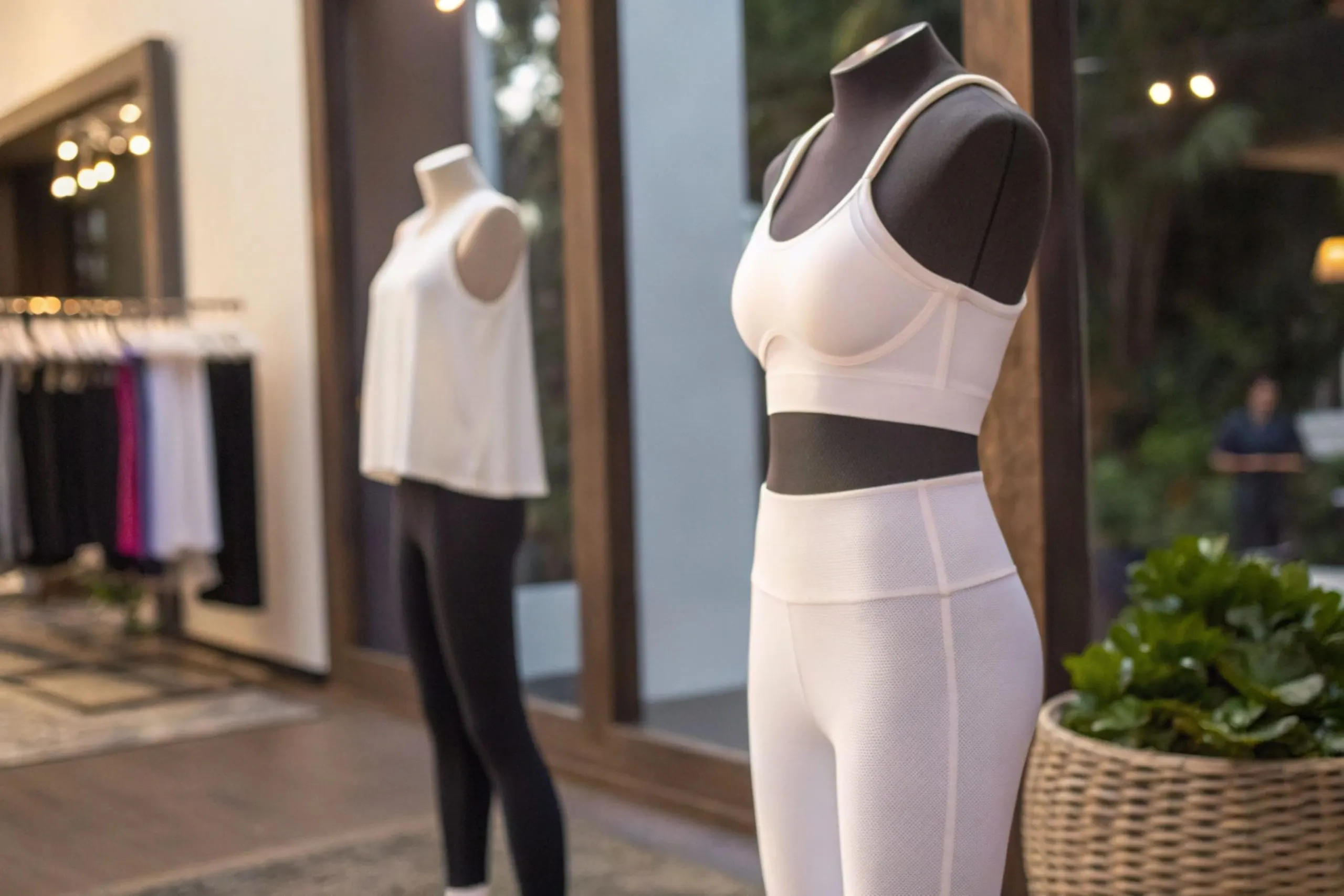
The USA shapewear market has evolved far beyond its original purpose of simple body compression. What was once considered an occasional wardrobe solution is now part of everyday fashion for many consumers. From seamless bodysuits worn under office attire to performance shapewear designed for gym sessions and travel, the category has become broader and far more lifestyle-oriented. By 2025, the United States remained one of the largest shapewear markets globally, supported by strong consumer spending on apparel and a culture heavily influenced by celebrity fashion trends and social media visibility. At the same time, shoppers have become more selective. Comfort, inclusivity, and fabric quality now matter just as much as aesthetics, which has pushed brands to rethink how these products are designed and marketed.
What’s Driving the Shapewear Market in the USA?
Shift Toward Everyday Comfort Wear
One noticeable change in the market is the decline of rigid, uncomfortable shapewear that dominated shelves a decade ago. Consumers today want products that can stay on for an entire workday without feeling restrictive. Soft compression fabrics, breathable materials, and seamless designs are becoming standard rather than premium features. In practice, many buyers now treat shapewear as a layering essential similar to activewear. This shift has opened the category to younger consumers who may not have considered shapewear relevant in the past.
Social Media Influence and Celebrity-Led Branding
Few apparel categories have benefited from influencer culture as much as shapewear. Celebrity-backed brands, especially those promoted heavily through Instagram and TikTok, have changed public perception around these products. Instead of marketing shapewear as something meant to “hide flaws,” brands increasingly focus on confidence, styling flexibility, and body positivity. That messaging resonates strongly with younger audiences. On the ground, social commerce has become a major sales driver, particularly when creators demonstrate products through try-on videos or styling tutorials rather than polished advertising campaigns.
E-commerce Expansion and Product Accessibility
Online retail has made shapewear far easier to explore and purchase compared to traditional department store shopping. Consumers can now compare compression levels, fabric blends, and fit guides within minutes. Many brands also offer virtual sizing tools and flexible return policies, which helps reduce hesitation around buying fitted garments online. A common challenge for the category has always been sizing inconsistency, so digital customization tools are becoming increasingly valuable. Smaller direct-to-consumer brands have particularly benefited because they can target niche segments without relying on large retail chains.
Government and Sustainability-Led Developments
Sustainability has quietly become an important talking point within the USA shapewear industry. While consumers still prioritize comfort and appearance, there is growing awareness around textile waste and synthetic fabric usage. Several manufacturers have started experimenting with recycled nylon, biodegradable packaging, and lower-impact dyeing processes. Some brands are also reshaping supply chains to improve labor transparency, partly due to rising consumer scrutiny around ethical sourcing. The reality is that sustainability in shapewear remains difficult because stretch fabrics rely heavily on synthetic materials, but companies that address this challenge early may gain long-term credibility with younger shoppers.
Market Competition and Brand Landscape
The market remains crowded, and standing out has become increasingly difficult. Established names such as Spanx LLC, SKIMS, Maidenform, Honeylove, and Victoria’s Secret continue to dominate consumer awareness, though newer niche brands are carving out space with highly specialized offerings. Maternity shapewear, plus-size collections, and active compression garments are attracting attention because they address practical use cases rather than broad fashion positioning. In many cases, customer loyalty now depends less on branding alone and more on fit consistency and fabric quality. Poor online reviews regarding sizing or comfort can quickly damage momentum for emerging labels.
Pricing Pressure and Product Saturation
One issue becoming more visible across the market is oversaturation. Consumers have countless options ranging from premium celebrity-led collections to inexpensive private-label products sold online. This creates pricing pressure even for established brands. Fast-fashion retailers often release visually similar products at much lower price points, making it harder for premium companies to justify higher pricing unless the quality difference is obvious. Rising raw material and manufacturing costs are adding another layer of strain, especially for brands attempting to maintain sustainable production standards.
Future Outlook
The USA shapewear market will likely continue expanding through 2035, though the category may look quite different by then. Products built around comfort, flexibility, and skin-friendly fabrics are likely to outperform traditional compression-focused garments. Smart textiles with moisture control, temperature regulation, and posture-support functions may become more common in premium collections. There is also growing discussion around gender-inclusive shapewear, which could broaden the customer base considerably over the next decade.
Consultants at Nexdigm, in their latest publication “USA Shapewear Market Outlook to 2035”, analyzed the market by Product Type (Bodysuits, Waist Cinchers, Control Briefs, Camisoles, Leggings), By Distribution Channel (Online Retail, Specialty Stores, Department Stores, Brand Outlets), and By End User (Women, Men, Maternity, Plus-Size Consumers). Nexdigm believes brands that focus on fabric innovation, consistent sizing standards, and strong digital engagement are likely to gain an edge as consumers become more selective about both comfort and product value.
To take the next step, simply visit our Request a Consultation page and share your requirements with us.
Harsh Mittal
+91-8422857704