
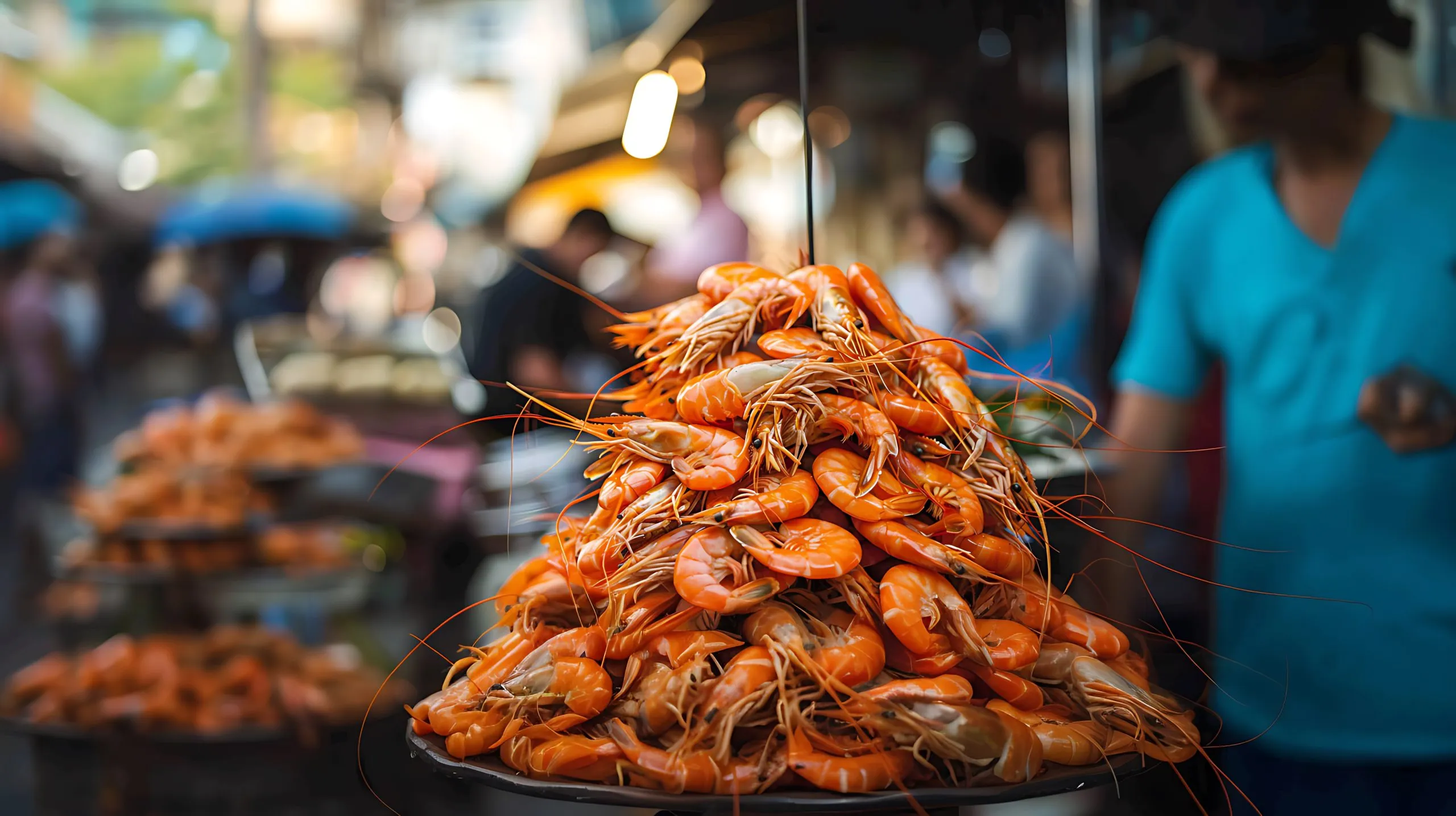
The USA shrimp market continues to grow as consumers look for convenient, protein-rich, and versatile seafood options. Shrimp is widely used in retail, foodservice, frozen meals, ready-to-cook products, and restaurant menus, making it one of the most important seafood categories in the country. The market reached around 1,012 thousand tons in 2025 and is projected to reach 1,307 thousand tons by 2034. Rising demand for easy-to-prepare seafood, strong import availability, and changing dining habits are shaping how shrimp is sourced, sold, and consumed across the U.S.
Key market drivers are strengthening shrimp demand across the U.S.
Convenience and protein-rich eating habits are supporting retail demand
U.S. consumers increasingly prefer foods that are easy to cook, high in protein, and suitable for different cuisines. Shrimp fits this demand because it can be used in salads, pastas, tacos, rice bowls, frozen entrées, appetizers, and grilled meals. Frozen and ready-to-cook shrimp products are especially popular because they offer longer shelf life, portion control, and quick preparation. Retailers are responding with more private-label shrimp products, value packs, peeled and deveined formats, and seasoned options. As at-home cooking remains important, shrimp continues to benefit from its convenience and broad consumer appeal.
Foodservice demand is keeping shrimp visible on menus
Restaurants, quick-service chains, casual dining brands, catering companies, and seafood outlets continue to use shrimp across a wide range of menu items. Shrimp is valued by foodservice operators because it works well in both premium dishes and affordable meals. It is also familiar to consumers, which reduces menu risk for restaurants. Demand is supported by appetizers, seafood platters, pasta dishes, Asian cuisine, Latin-inspired meals, and fried shrimp formats. As dining out and delivery channels evolve, foodservice operators are using shrimp to offer variety, indulgence, and perceived value.
Import supply is shaping availability and pricing
The U.S. shrimp market depends heavily on imports, with global suppliers helping maintain year-round availability. Countries across Asia and Latin America play an important role in supplying farmed and wild-caught shrimp to the U.S. market. Import supply has helped make shrimp accessible to consumers, but it also creates pricing pressure for domestic shrimpers. Global shrimp trade trends, currency movement, disease risks in aquaculture, freight costs, and trade policy can all affect U.S. market stability. This makes supply chain planning critical for importers, processors, retailers, and foodservice buyers.
Government oversight and trade measures are influencing the market
Government agencies play an important role in the U.S. shrimp market through food safety regulation, import inspection, seafood labeling, and trade enforcement. The FDA oversees seafood safety, while NOAA supports domestic fisheries management and seafood data. Trade measures, including anti-dumping and countervailing duty actions, also influence imported shrimp pricing and supplier strategies. These policies are important because the U.S. market relies heavily on imports while domestic shrimpers face rising operating costs and intense price competition.
Competitive landscape is shaped by imports, processing, and brand trust
The USA shrimp market includes importers, domestic shrimpers, aquaculture suppliers, seafood processors, distributors, retailers, frozen food brands, and foodservice operators. Competition is based on price, product form, quality, certification, traceability, origin, and supply reliability. Imported farmed shrimp competes strongly on cost and volume, while domestic wild-caught shrimp is often positioned around freshness, origin, and premium quality. Retailers and processors are also focusing on value-added formats such as peeled, cooked, seasoned, breaded, and ready-to-cook shrimp products to attract convenience-focused consumers.
Market challenges continue to pressure domestic and imported supply chains
Domestic shrimpers face cost and import competition
Domestic shrimpers, especially along the Gulf Coast, face pressure from low-cost imported shrimp, fuel costs, labour challenges, weather events, and processing constraints. Recent reporting and NOAA-linked analysis indicate that Gulf shrimp revenues have declined sharply in recent years, highlighting the financial pressure on local producers. This makes differentiation and market positioning increasingly important.
Sustainability and traceability expectations are rising
Consumers, retailers, and foodservice buyers are paying more attention to responsible sourcing, labour practices, aquaculture standards, and environmental impact. Shrimp supply chains can be complex, making traceability difficult. Suppliers need stronger documentation, certification, and transparency to meet buyer expectations and reduce reputational risks.
Future outlook
The future outlook for the USA shrimp market remains positive, supported by steady consumer demand, foodservice usage, frozen seafood growth, and product innovation. The market is projected to reach around 1,307 thousand tons by 2034, reflecting continued volume-led growth. Opportunities are expected in ready-to-cook shrimp, sustainably sourced products, premium domestic shrimp, private-label retail formats, and value-added frozen seafood. Businesses that focus on traceability, quality, supply chain resilience, and consumer-friendly product formats will be better positioned to capture long-term growth.
Consultants at Nexdigm, in their latest publication “USA shrimp market outlook to 2035,” analyze the sector By Shrimp Species (Farmed Shrimp Penetration, Wild-Caught Shrimp Utilization, Import Dependency, Species Consumption Preference), By Product Form (Ready-to-Cook Penetration, Frozen Seafood Utilization, Foodservice Demand)
Nexdigm suggests that businesses in the USA shrimp market should focus on traceability, responsible sourcing, and value-added product formats to meet evolving retail and foodservice demand.
To take the next step, simply visit our Request a Consultation page and share your requirements with us.
Harsh Mittal
+91-8422857704