
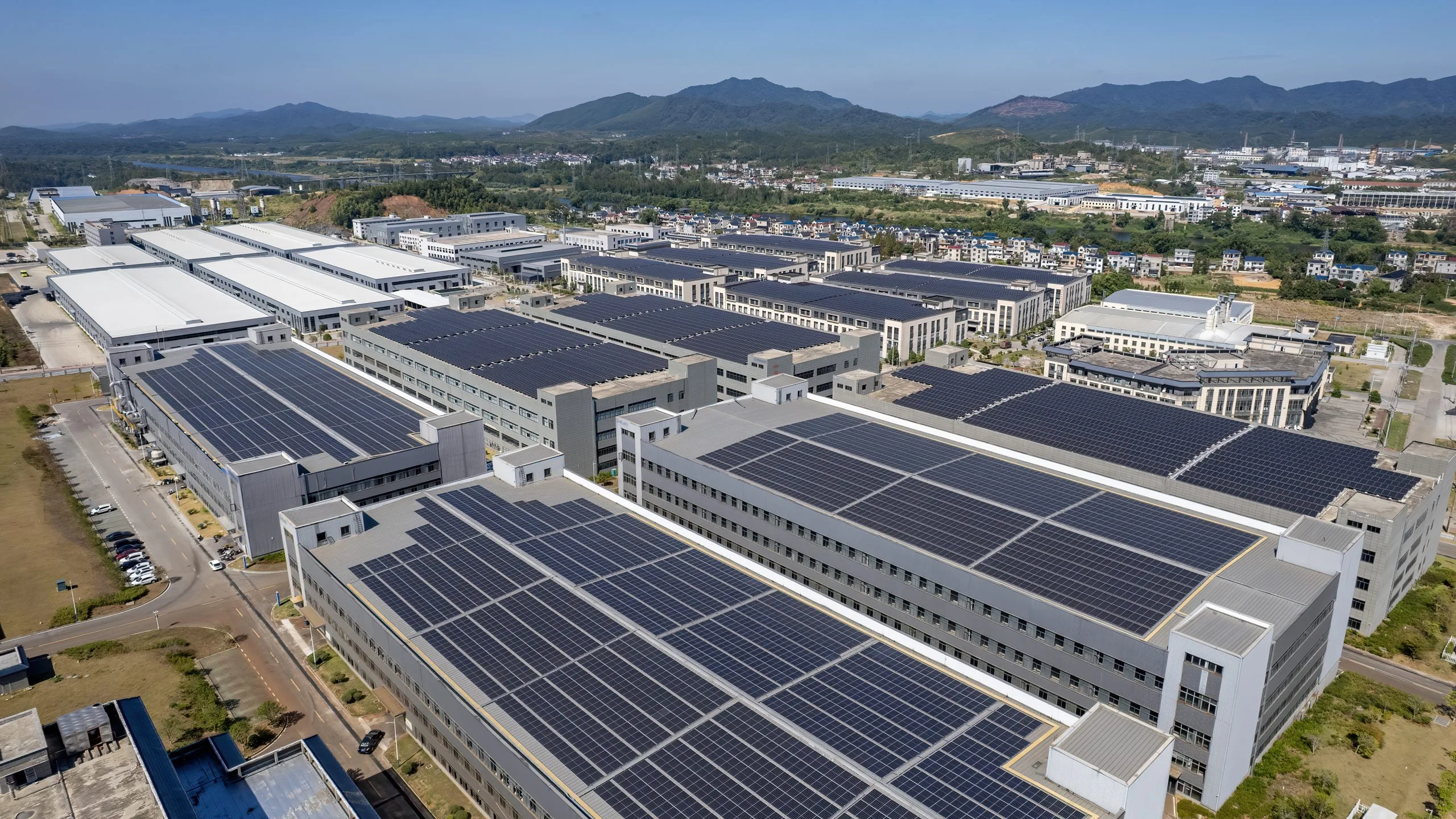
The United States solar photovoltaic (PV) market continues to demonstrate robust long‑term growth, driven by brisk capacity additions and heightened interest from utility, commercial and residential sectors. Previously, the U.S. added approximately 43 GW of new solar capacity, accounting for a significant share of new power generation nationwide. Forecasts indicate that cumulative solar capacity could approach roughly 738 GW in the coming years, underpinned by sustained deployment rates and evolving technology costs. This trajectory positions solar PV as a cornerstone of the country’s renewable energy transition and carbon reduction ambitions.
Key Drivers Fueling Growth in the U.S. Solar PV Market
Rapid Capacity Growth and Energy Demand
Solar PV deployment in the U.S. has expanded rapidly over the past decade, with utility‑scale, commercial and residential segments contributing to capacity gains. In last year, alone, solar installations remained the largest source of new generating capacity added to the grid, reflecting strong private and institutional appetite for PV projects. Rising electricity demand, particularly from data centers, electric vehicles and electrification of industry and buildings, further reinforces the need for new solar generation capacity.
Cost Declines and Technological Advancements
Continued declines in module and balance‑of‑system costs have enhanced the competitiveness of PV relative to fossil generation, reducing levelized costs of electricity across key states. Technological improvements, including higher efficiency cells and enhanced inverter and tracking systems, support greater output per installed unit and lower long‑term project costs.
Residential and Distributed Growth
Residential solar PV markets are also scaling, with forecasts suggesting steady CAGR increases in the coming years as homeowners seek energy bill savings and enhanced energy resilience. These distributed systems, coupled with battery storage, contribute to diversified market demand and support grid flexibility. These combined drivers underpin a robust investment environment, even amid policy shifts and market fluctuations.
Government Policies and Incentives Driving Solar PV Adoption in the US
Federal and state incentives remain central to solar market economics. Tax incentives such as the Investment Tax Credit (ITC) and manufacturing tax credits lower the effective cost of projects and promote domestic supply chain development. Many states also maintain Renewable Portfolio Standards (RPS) requiring utilities to source increasing shares of power from renewables, which sustains demand for PV capacity. Additional incentives include rebates, net‑metering policies and state‑level grant programs that bolster distributed solar adoption.
Competitive Landscape of the U.S. Solar PV Market
The U.S. solar PV sector comprises a diverse group of manufacturers, installers and technology firms. Key global and domestic module suppliers compete alongside system integrators and service providers. Residential installers, utility developers and energy service companies vie market share amid regional demand variations and supply‑chain shifts. Competitive dynamics are shaped by pricing, technology differentiation and project finance capabilities, with firms investing in innovation to enhance module efficiency and balance‑of‑system performance.
Key Challenges Impacting the Growth of the U.S. Solar PV Market
Fluctuating federal and state policies, including debates over incentive extensions and net‑metering revisions, pose planning risks for developers and investors. Cost increases tied to tariffs, supply constraints, and permitting backlogs also challenge project economics. Additionally, supply chain dependencies on imported components raise vulnerability to geopolitical and trade disruptions, which can elevate prices and slow deployment timelines.
Future Outlook
As we move ahead, the U.S. solar PV market is projected to maintain substantial growth, with cumulative installed capacity expected to near 738 GW under current deployment trends. Continued technology improvements, cost reductions and growing demand for clean energy will reinforce Solar’s role in the broader power mix. Integration with energy storage, grid modernization, and resilient distributed systems will further enhance market prospects. While regulatory uncertainties and supply‑chain challenges persist, long‑term fundamentals remain favorable, positioning solar PV as a core contributor to U.S. decarbonization strategies and energy security goals.
Consultants at Nexdigm, in their latest publication “USA Solar PV Market Outlook to 2035,” analyze the sector by System Type (Utility-scale Solar Systems, Residential Solar Systems, Commercial Solar Systems, Community Solar Systems), By Platform Type (Rooftop Platforms, Ground-mounted Platforms, Floating Platforms), and By Fitment Type (Fixed Solutions, Tracking Solutions, Hybrid Solutions).
Nexdigm suggests that businesses should adapt to the rapidly evolving energy landscape by embracing sustainable practices and technologies such as solar photovoltaic (PV) systems. With increasing demand for renewable energy and stricter environmental regulations, integrating solar energy into business operations can enhance operational efficiency, reduce energy costs, and improve sustainability credentials. As the U.S. solar market continues to grow, businesses have an opportunity to leverage government incentives, technological advancements, and long-term cost savings to stay competitive while contributing to broader environmental goals.
To take the next step, simply visit our Request a Consultation page and share your requirements with us.
Harsh Mittal
+91-8422857704