
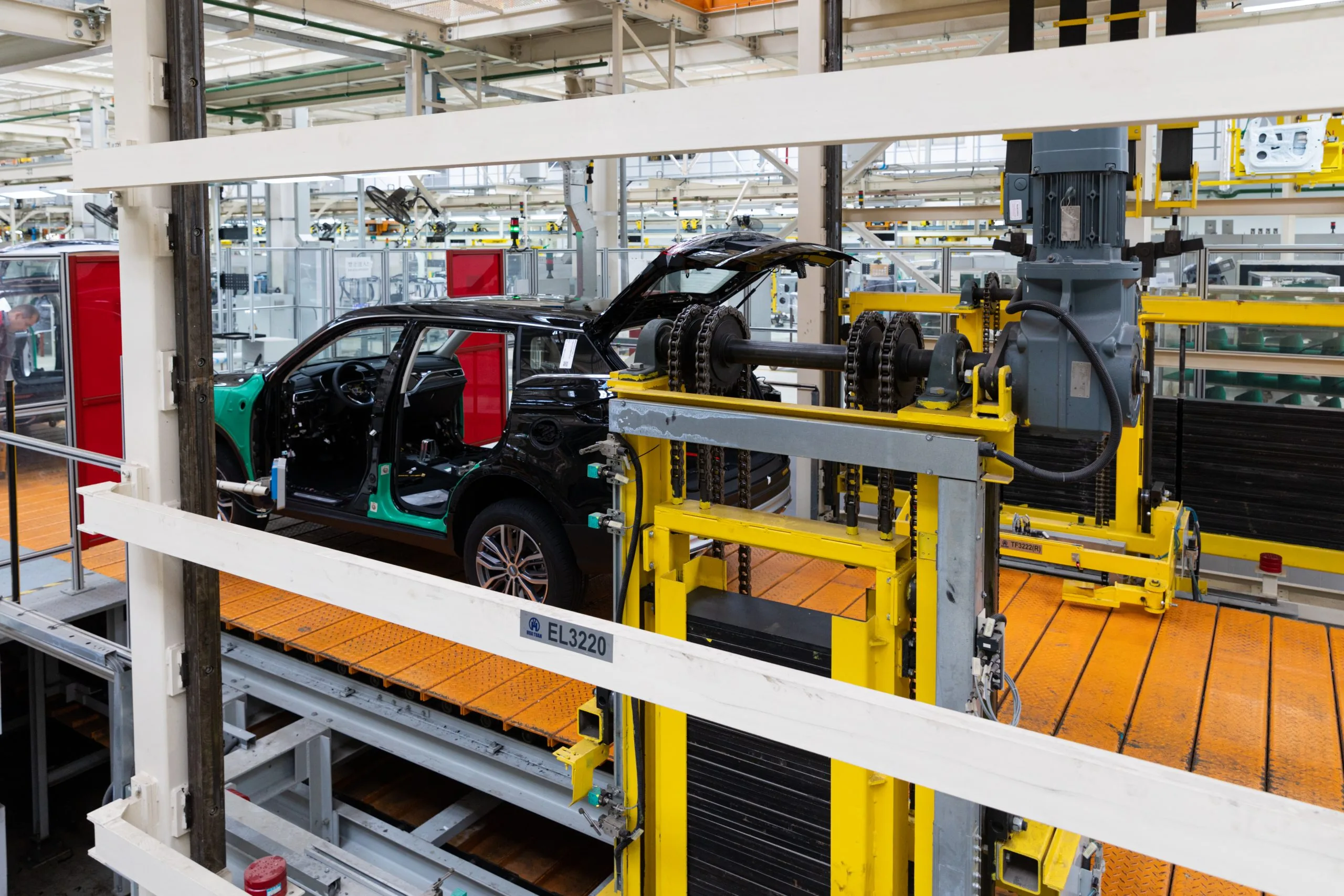
The USA suspension systems market plays a vital role in the automotive industry, ensuring vehicle stability, comfort, and safety. As technological advancements drive improvements in ride quality and handling, the demand for sophisticated suspension solutions is growing. Projections indicate that the market could reach $15 billion, continuing to grow steadily in the coming years. Despite the increasing adoption of electric vehicles (EVs), traditional internal combustion engine (ICE) vehicles, as well as commercial and off-road vehicles, will continue to drive demand for high-performance suspension systems. The market is evolving as new technologies such as adaptive, air, and electronic suspension systems are integrated into modern vehicles, ensuring long-term relevance in a changing automotive landscape.
Key Factors Driving the USA Suspension Systems Market
The Growing Demand for Enhanced Comfort and Safety Features
As consumers demand more from their vehicles in terms of comfort, safety, and handling, suspension systems have become a crucial component of vehicle design. Advanced suspension technologies, including adaptive damping and air suspension systems, are now commonplace in luxury and performance vehicles. These systems offer smooth handling by automatically adjusting to changing road conditions, enhancing safety by maintaining vehicle stability. As consumer expectations for improved ride comfort and enhanced safety features continue to rise, automakers are increasingly incorporating these systems into a broader range of vehicles, fueling demand in the suspension systems market. This shift is especially evident in SUVs, electric vehicles, and high-performance sports cars.
Growth in Vehicle Production and the Rising Vehicle Fleet
The USA’s vehicle fleet continues to grow, with over 280 million vehicles currently registered on the road. The production of light-duty and heavy-duty vehicles remains strong, contributing to continued demand for suspension systems. Even with the transition toward electric vehicles, the shift to hybrid and ICE vehicles for commercial and off-road applications ensures that suspension systems will remain a vital part of the automotive landscape. The ongoing need for replacement and aftermarket suspension parts, due to normal wear and tear on the road, is also a key driver of market growth. As vehicles age, the demand for suspension of repairs and upgrades will continue to provide a strong aftermarket opportunity.
Technological Advancements and Integration of Smart Systems
Technological advancements are significantly shaping the future of suspension systems. The integration of smart sensors and electronic control units (ECUs) enables real-time adjustments to suspension settings based on road conditions and driving behavior. This helps improve handling, reduce body roll, and enhance comfort. Features such as active suspension, which automatically adjusts stiffness and damping, and air suspension, which adapts to changes in load, are becoming increasingly popular in both luxury and utility vehicles. As vehicles continue to evolve, with innovations such as autonomous driving on the horizon, suspension systems will continue to adapt to provide optimal performance and safety.
Government Policies Impacting the US Suspension System Market
Government regulations and initiatives play an important role in shaping the demand for suspension systems in the USA. The EPA and CAFE standards push for better fuel efficiency and lower emissions, which can indirectly drive demand for suspension technologies that optimize vehicle performance and reduce energy consumption. Additionally, state and federal support for electric and hybrid vehicles may encourage the development of advanced suspension systems tailored to the unique needs of electric powertrains, such as improved handling and increased vehicle stability. Government-backed incentives and policies promoting vehicle safety are also contributing to the demand for advanced suspension technologies, as they are essential to meeting higher safety standards.
Competitive Landscape of the US Suspension Systems Market
The competitive landscape of the USA suspension systems market is shaped by both well-established global players and innovative niche manufacturers. Industry giants like Tenneco, ZF Friedrichshafen, and KYB Corporation dominate the market, offering a wide range of suspension solutions for both original equipment manufacturers (OEMs) and the aftermarket. These companies are focusing on innovation, producing systems that integrate with modern vehicles’ electronic control systems, enhancing safety and performance. Smaller, specialized players are also gaining traction, particularly in the performance, off-road, and aftermarket segments, offering customized solutions to meet the evolving needs of vehicle owners and operators. The market is highly competitive, with product quality, performance, and cost efficiency being key differentiators for businesses.
Challenges Facing the USA Suspension Systems Market
Pressure from Electrification and Changing Vehicle Technologies
The shift toward electric vehicles presents a unique challenge for the suspension systems market. EVs have different weight distributions and dynamics, which require specific suspension designs for optimal performance. As the number of electric and hybrid vehicles on the road increases, suspension systems will need to evolve to meet the needs of these new powertrains. Companies must invest in R&D to develop systems that can handle the unique requirements of electric vehicles, such as improved load management and the adaptation of suspension for regenerative braking systems. While the adoption of EVs will gradually slow down demand for traditional suspension systems in some segments, it creates a new opportunity for innovation.
Cost Pressures and Regulatory Compliance
Advanced suspension systems, especially those integrating electronic control and adaptive technologies, come with higher production costs. Meeting the evolving regulatory standards for safety and emissions requires manufacturers to invest in more complex, high-performance solutions. Smaller players in the market, particularly those targeting the aftermarket segment, may struggle to compete with larger companies that have more resources for R&D, regulatory compliance, and manufacturing. Additionally, as consumers increasingly demand lower prices for parts and maintenance, the pressure on manufacturers to balance innovation with affordability is rising.
Future Outlook
Looking forward to the future, the USA suspension systems market is poised for steady growth, driven by ongoing innovation and evolving consumer preferences. As electric vehicles, hybrid models, and connected cars become more mainstream, suspension systems will continue to adapt, with technologies that ensure optimal performance, safety, and comfort. With advancements in adaptive suspension, air suspension, and electronic control, the market will experience new growth opportunities, especially in high-performance, luxury, and off-road vehicle segments. At the same time, challenges arising from the electrification of vehicles and cost pressures will require manufacturers to continually innovate, providing solutions that meet both environmental and performance standards. The suspension systems market will continue to evolve, aligning with the demands of modern vehicles while maintaining its critical role in vehicle safety and ride quality.
Consultants at Nexdigm, in their latest publication USA Suspension Systems Market Outlook to 2035, analyze the sector by System Type (Active, Passive, Semi Active Type Suspension System, Hydro pneumatic Suspension System), by Platform Type (Passenger, Commercial, Electric Vehicles, Electric Distributors).
Nexdigm suggests that businesses in the US Suspension Market must focus on innovation and adaptation to stay competitive. As consumer demand shifts toward electric and hybrid vehicles, businesses should invest in developing suspension solutions that meet the unique requirements of these powertrains.
To take the next step, simply visit our Request a Consultation page and share your requirements with us.
Harsh Mittal
+91-8422857704