
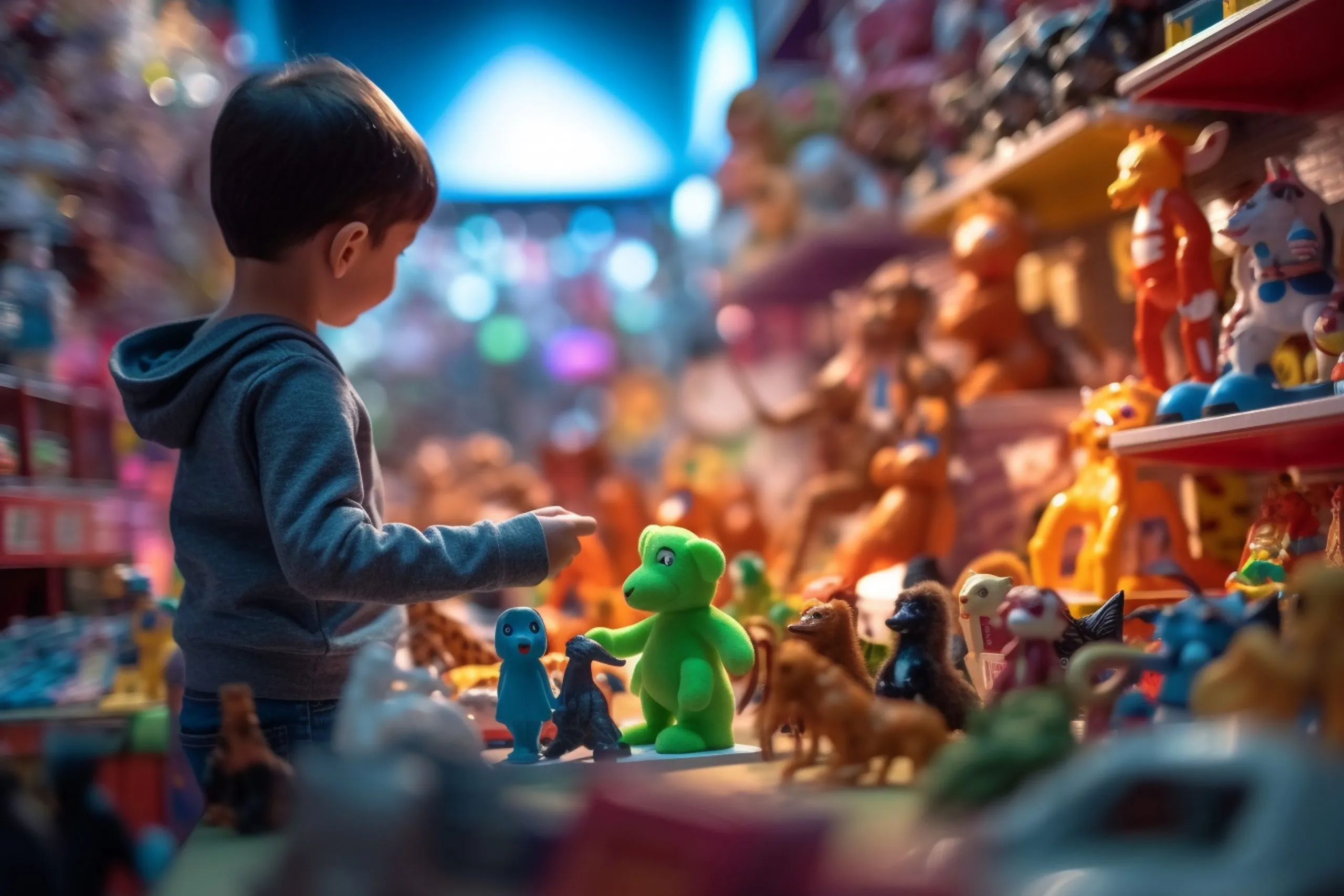
America’s toys and games market is changing as play becomes more connected to learning, entertainment, collecting, and family bonding. Toys are no longer limited to traditional child-focused products. Today, the market includes board games, puzzles, plush toys, action figures, STEM kits, licensed merchandise, trading cards, digital-linked toys, and collectibles for both children and adults. In last year, U.S. retail toy sales is growing 6% year over year. This shows that consumer interest remains strong despite changing spending patterns. By the next decade, the market is expected to become more experienced-driven, supported by educational play, entertainment franchises, online retail, and adult collectors.
Key Factors Driving the USA Toys and Games Market
Educational Play Becomes a Bigger Buying Priority
Educational toys are becoming more important in the USA as parents look for products that are fun but also useful for child development. STEM kits, coding toys, puzzles, construction sets, science kits, language games, and creative learning products are gaining demand because they help children build problem-solving, communication, motor, and logical thinking skills. This trend reflects a broader shift in how parents think about play. Many families want toys that keep children engaged while also reducing passive screen time. Schools, daycare centers, learning-focused stores, and online platforms are also helping increase awareness of educational toys. As a result, brands that combine entertainment with learning value are likely to perform well over the long term. The market is also seeing stronger demand for age-specific toys that support early learning, sensory development, creativity, and social interaction. These products are especially attractive to parents who want playtime to feel both enjoyable and purposeful.
Licensed Toys and Collectibles Expand the Consumer Base
Licensed toys and collectibles continue to play a major role in the USA toys and games market. Products based on movies, streaming shows, video games, anime, sports teams, comic characters, and social media trends remain popular across different age groups. Children drive a large part of this demand, but teenagers and adults are becoming increasingly important buyers. The rise of “kidult” consumers has changed the market. Many adults now buy collectibles, building sets, trading cards, figurines, board games, and nostalgia-based toys for personal enjoyment. This trend is helping toy companies move beyond seasonal children’s purchases and build demand among fans and collectors throughout the year. Limited-edition launches, franchise collaborations, and character-based product lines are expected to remain strong growth areas. Brands that can connect with entertainment trends and fan communities are likely to gain a competitive edge.
Online and Omnichannel Retail Reshape Toy Shopping
E-commerce has changed how toys and games are discovered and purchased in the USA. Parents, gift buyers, collectors, and hobby consumers often compare products online, read reviews, watch videos, and follow social media trends before buying. Online marketplaces and brand websites have made it easier for consumers to access a wide range of products beyond what is available in local stores. At the same time, physical retail remains important, especially during holidays, birthdays, and seasonal gifting periods. Toy aisles still support product discovery, impulse buying, and hands-on shopping experiences. Retailers are responding by combining digital and offline channels through click-and-collect, exclusive product drops, loyalty programmes, and targeted promotions. This omnichannel approach is helping brands reach consumers at multiple points in the buying journey. By 2035, digital discovery and physical retail experience are expected to work more closely together.
Government Support towards USA Toys and Games Market Growth
Government influence in the USA toys and games market is mainly linked to child safety, consumer protection, and product quality standards. The U.S. Consumer Product Safety Commission plays an important role in regulating toy safety, including choking hazards, lead content, labeling requirements, and product recalls. These rules help build trust among parents and reduce risks for children. Educational initiatives that promote STEM learning also indirectly support demand for science kits, robotics toys, coding games, and other learning-based products. While the government does not directly drive toy sales, safety regulation and education-focused policies create a stronger foundation for responsible market growth. For manufacturers, retailers, and importers, compliance is not optional. Clear labeling, safe materials, age-appropriate design, and quality testing will remain essential for long-term credibility in the market.
Competitive Landscape of the USA Toys and Games Market
The USA toys and games market is highly competitive, with global toy companies, domestic brands, private-label players, specialty toy makers, board game publishers, digital-first brands, and collectible-focused companies all competing for consumer attention. Major players operate across categories such as dolls, action figures, construction toys, plush toys, educational products, board games, puzzles, trading cards, and licensed merchandise. Competition is shaped by brand recognition, product innovation, safety compliance, pricing, retail access, and holiday season performance. Companies also need to respond quickly to entertainment releases, viral trends, influencer-driven demand, and collector communities. The market is becoming more segmented, which means one strategy will not work for every consumer group. Brands that understand children, parents, educators, collectors, and adult hobby buyers separately are likely to build stronger market positions.
Challenges Facing the USA Toys and Games Market
Price Pressure and Supply Chain Risks Affect Profitability
The USA toys and games market continues to face pressure from manufacturing costs, freight rates, tariffs, packaging expenses, and dependence on international supply chains. Since many toys sold in the USA are imported, changes in trade policies or logistics conditions can quickly affect prices and product availability. Higher prices can influence discretionary purchases, especially for families managing tighter household budgets. Retailers and brands must balance affordability with quality, safety, and margins. This makes cost control, supplier diversification, and inventory planning increasingly important.
Fast-Changing Trends Create Inventory Risks
Toy demand can change quickly, especially when products are linked to movies, streaming shows, games, influencers, or viral social media moments. A toy that performs strongly during one season may lose popularity by the next. This creates challenges for production planning, inventory management, and retail promotions. Brands must also compete for attention in a crowded entertainment environment. To reduce risk, companies need better forecasting, shorter development cycles, flexible supply chains, and stronger consumer insight.
Future Outlook
The USA toys and games market is expected to remain resilient supported by educational play, licensed products, collectibles, family entertainment, and omnichannel retail growth. The market will continue to serve children, parents, gift buyers, educators, hobbyists, and adult collectors, making audience-specific product strategies more important. Future growth will depend on how well companies combine fun, learning, safety, affordability, and cultural relevance. STEM toys, interactive games, sustainable materials, nostalgia-led collectibles, and franchise-based products are expected to create strong opportunities. By 2035, toys and games in the USA are likely to become more personalized, more experienced-led, and more closely connected to entertainment, learning, and fan communities.
Consultants at Nexdigm, in their latest publication “USA Toys & Games Market Outlook to 2035,” analyze the sector By Product Type (Building Sets, Puzzles, Plush Toys, Action Figures, Playsets, Dolls, Roll Play Toys), by Age Groups (Infants, Toddlers, Adults, Pre School Children, Primary School Children), by Distribution Channel (Specialty Stores, E Commerce Marketplaces, Supermarkets, Grocery Stores)
Nexdigm suggests that businesses should focus on product innovation, safety compliance, omnichannel retail strategies, and consumer-specific product portfolios to strengthen their position in the USA toys and games market. Companies should also track licensed entertainment trends, invest in educational and interactive toys, and build flexible supply chains to manage seasonal demand and fast-changing consumer preferences.
To take the next step, simply visit our Request a Consultation page and share your requirements with us.
Harsh Mittal
+91-8422857704