
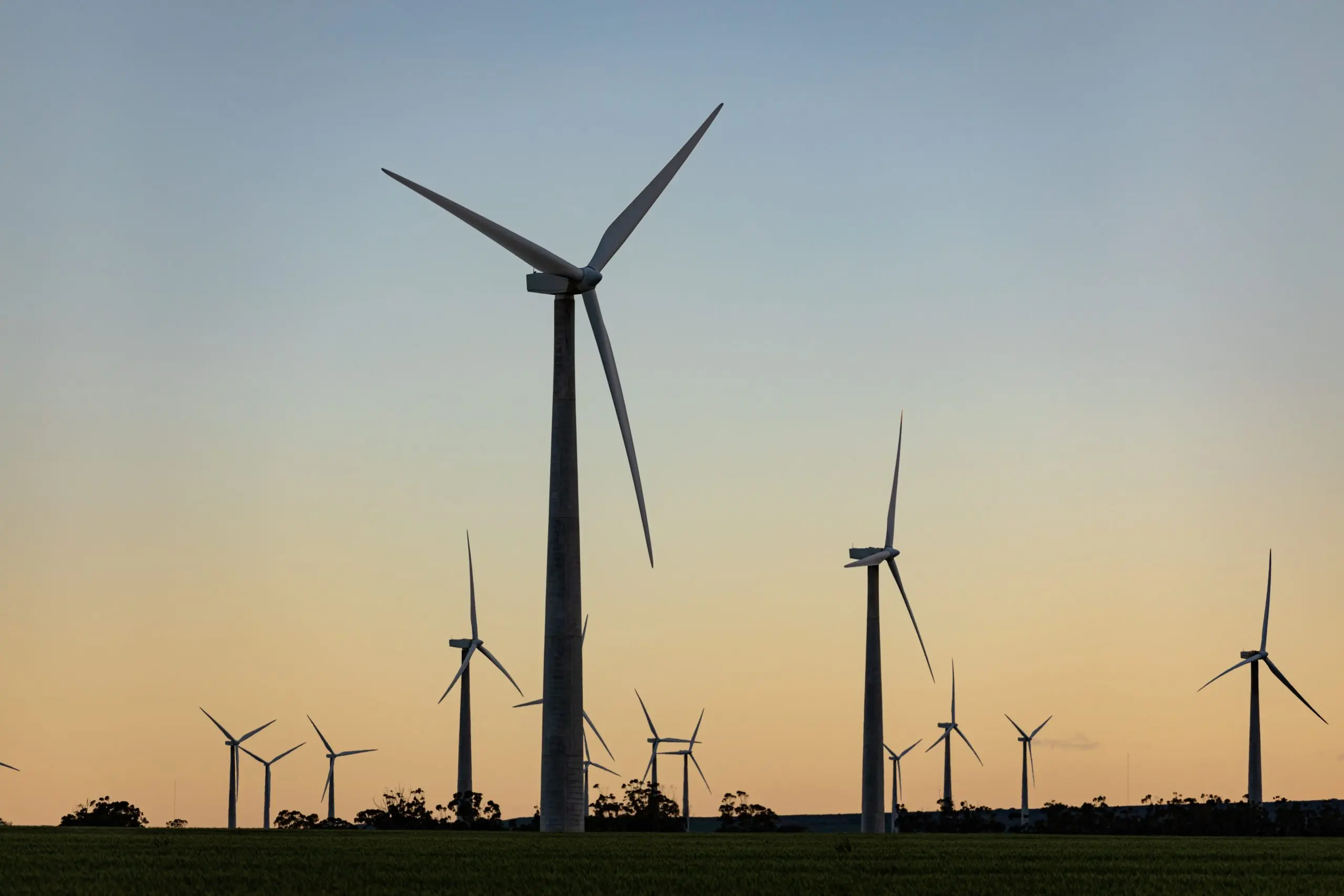
The wind energy market in the U.S. is experiencing rapid growth as the country moves towards a cleaner and more sustainable energy future. With advancements in technology, coupled with strong government support and an increasing focus on repenvironmental sustainability, wind energy is playing a crucial role in meeting the nation’s electricity demand. In the coming years, wind power is expected to be a key contributor to the energy mix, driving the shift from fossil fuels to renewable sources. This blog will explore the key drivers, challenges, and the outlook for the U.S. wind energy market.
Key Drivers Fueling Growth in the U.S. Wind Energy Market
Rising Demand for Clean Energy
As the U.S. economy grows and more industries move towards electrification, the demand for clean energy sources like wind power is increasing. Wind energy is now one of the most cost-effective sources of renewable energy in the country, making it an attractive option for utilities and corporations alike. According to the U.S. Energy Information Administration, wind energy accounted for nearly 10% of total electricity generation as of last year, and this share is expected to grow.
Technological Advancements
Advancements in turbine technology are significantly improving the efficiency of wind farms. Larger turbines with greater capacity are allowing wind projects to generate more power, even in areas with lower wind speeds. Moreover, integrating wind energy with battery storage systems ensures a more reliable and consistent supply of electricity, further enhancing its viability. These technological developments are making wind projects more economically feasible, encouraging greater investment from both private and public sectors.
Corporate Sustainability Commitments
Many U.S. corporations are setting ambitious sustainability goals, driving demand for renewable energy. Companies like Google and Amazon are procuring large amounts of wind power to meet their renewable energy targets. This has led to increased corporate investment in wind energy, further stimulating market growth. The rise in power purchase agreements (PPAs) is expected to be a major driver in the coming years.
US Government Policies Boosting Wind Energy Development
The U.S. government has been crucial in supporting wind energy through financial incentives, such as the Production Tax Credit (PTC) and Investment Tax Credit (ITC). These incentives reduce development costs and make wind energy projects more financially viable. Additionally, state-level renewable energy standards and federal clean energy initiatives are boosting investment and accelerating the transition towards a clean energy future.
Market Competition within the U.S. Wind Energy Sector
The U.S. wind energy market is highly competitive, with both established players and new entrants striving to capture market share. Major turbine manufacturers like Siemens Gamesa and GE Renewable Energy are key players in the market, while developers like NextEra Energy are spearheading large-scale wind projects. The market is also seeing growing interest in offshore wind development, which is expected to be a major area of growth in the coming decades as technology matures.
Key Challenges Hindering Growth in the U.S. Wind Energy Market
Policy and Regulatory Uncertainty
Wind energy development in the U.S. is subject to changing policies and regulations, which can create uncertainty for developers. Fluctuating tax incentives and shifting federal and state support can impact the financial feasibility of new projects, potentially slowing down the market’s growth.
Grid Integration and Infrastructure
As more wind energy is added to the grid, integrating this intermittent power source can strain existing infrastructure. Upgrading transmission lines and building new energy storage solutions are essential to ensuring that wind energy can be reliably delivered to consumers.
Future Outlook
The U.S. wind energy market is expected to continue its growth trajectory in the coming years, with significant investments in both onshore and offshore wind projects. Technological advancements, cost reductions, and strong government support will continue to drive the sector forward. However, challenges related to policy stability and grid infrastructure must be addressed to ensure that wind power can meet the growing energy demand. With continued innovation and the push for sustainability, wind energy is poised to become an even more integral part of the U.S. energy landscape in the years ahead.
Consultants at Nexdigm, in their latest publication “USA Wind Energy Market Outlook to 2035,” analyze the sector by System Type (Onshore Wind Systems, Offshore Wind Systems, Small-scale Wind Systems, Utility-scale Wind Systems), By Platform Type (Onshore Platforms, Offshore Platforms, Floating Platforms), and By Fitment Type (Fixed Solutions, Floating Solutions, Hybrid Solutions).
Nexdigm suggests that businesses should stay informed about the latest trends and regulatory changes in the wind energy sector to effectively navigate the evolving landscape. By understanding market dynamics, technological advancements, and government policies, companies can better position themselves to capitalize on opportunities and overcome potential challenges.
To take the next step, simply visit our Request a Consultation page and share your requirements with us.
Harsh Mittal
+91-8422857704