
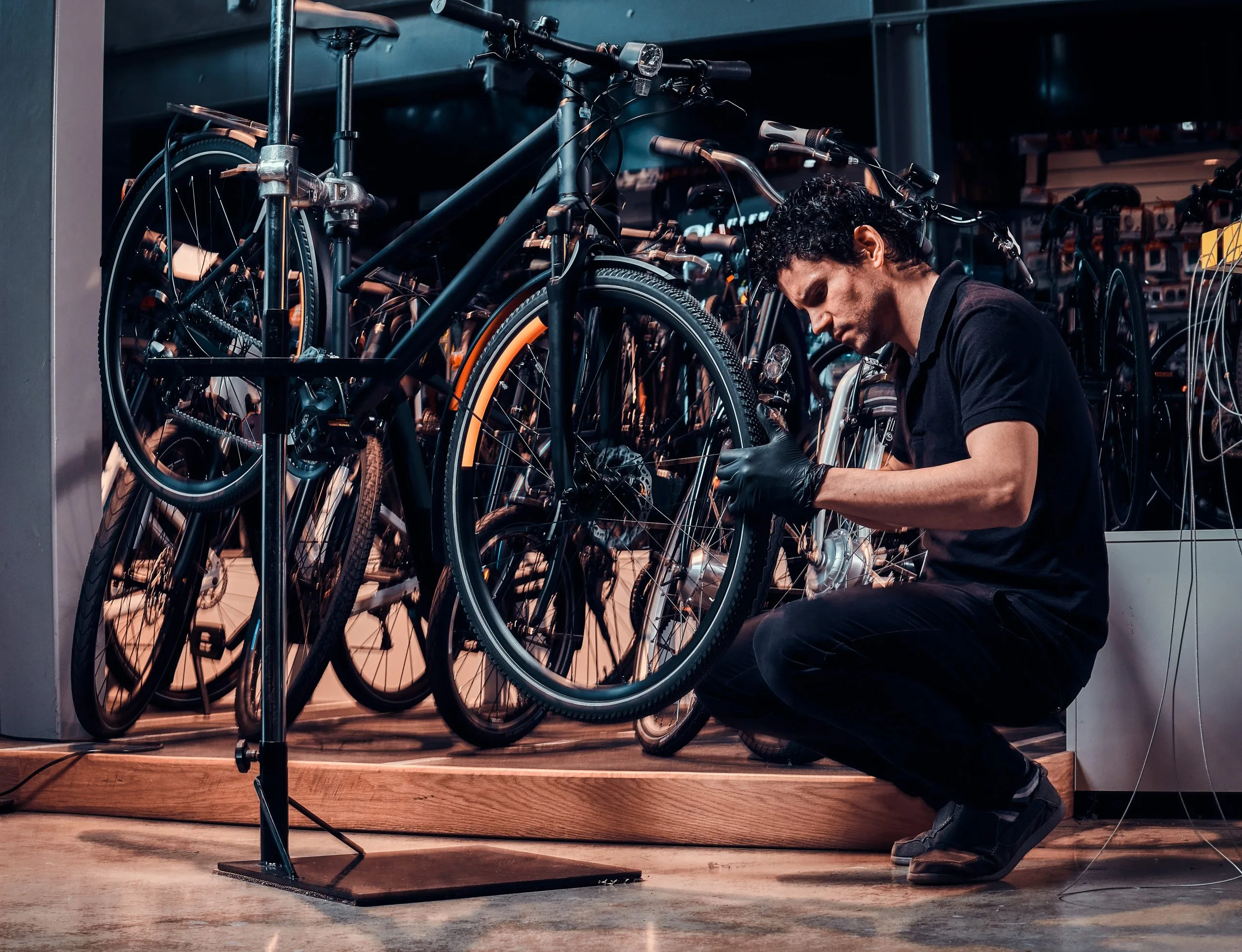
The Vietnam bicycle market is expected to grow steadily as cycling becomes more relevant for urban mobility, fitness, recreation, tourism, and low-emission transport. The market is growing at 2.74% CAGR. E-bikes are expected to grow faster, with the market projected to rise to USD 209 million in the upcoming years. Demand will be shaped by cleaner mobility, urban congestion, and changing travel habits. This shows that bicycles are becoming part of Vietnam’s wider shift toward practical and greener transport options.
Major Factors Driving Growth in Vietnam’s Bicycle Market
E-Bikes Are Making Short-Distance Travel Easier
E-bikes are becoming an important growth driver in Vietnam’s bicycle market. They offer a practical option for students, office commuters, delivery users, and urban residents who want short-distance transport with lower emissions and lower running costs. Vietnam’s e-bike market is projected to grow steadily. This reflects rising interest in battery-powered mobility, cleaner transport, and vehicles that are easier to use in congested cities. As charging access, battery quality, and product affordability improve, e-bikes are likely to attract more everyday users. They can also appeal to riders who want a lighter and more flexible alternative to motorbikes for shorter urban trips.
Urban Congestion Is Creating Demand for Flexible Mobility
Vietnam’s cities are becoming more crowded, increasing the need for flexible and space-efficient mobility options. Bicycles and e-bikes can support short trips, first- and last-mile connectivity, and daily movement in dense urban areas. Ho Chi Minh City launched a public electric bicycle service to promote green transport, ease traffic congestion, and improve connections with buses and metro lines. Such initiatives can make cycling more visible and practical for urban residents. As consumers look for affordable alternatives to motorbikes and cars, bicycles can play a stronger role in everyday mobility. Better integration with public transport can also help bicycles become part of regular commuting rather than only leisure use.
Fitness, Recreation, and Tourism Are Expanding Use Cases
Cycling is also gaining traction as a fitness and recreation activity in Vietnam. Urban consumers are becoming more aware of health and outdoor lifestyles, supporting demand for mountain bikes, hybrids, commuter bikes, and leisure bicycles. Tourism can also support bicycle use, especially in cities, heritage destinations, and eco-tourism areas where short-distance, low-emission travel is preferred. This gives market growth opportunities beyond daily commuting. Bicycle tours, weekend rides, and recreational cycling can increase demand for better quality and more comfortable models. As cycling becomes linked with wellness and travel experiences, brands may find new opportunities across both urban and tourism-focused markets.
Government and City Initiatives Supporting Greener Transport in Vietnam
Government and city-level initiatives are supporting greener mobility in Vietnam. Ho Chi Minh City’s public e-bike service aims to promote green transport, reduce congestion, and improve links with buses and metro lines. Vietnam is also pushing transport electrification, with Hanoi planning restrictions on petrol-powered motorbikes in central areas. These policy shifts can support demand for electric two-wheelers, including e-bikes, while encouraging cleaner short-distance mobility options. Public transport integration will be especially important in making bicycles more useful for first- and last-mile travel. As cities focus more on cleaner mobility, bicycles and e-bikes are likely to receive stronger attention in urban transport planning.
How Brands Are Competing in Vietnam’s Bicycle Market
Vietnam’s bicycle market includes local manufacturers, regional brands, international players, e-bike companies, bike-sharing operators, and component suppliers. Competition is shaped by price, durability, battery range, design, service support, and availability across retail and online channels. Conventional bicycles continue to serve students, commuters, and recreational users, while e-bike brands compete on charging convenience, safety, and motor performance. As the e-bike segment expands, after-sales service and battery reliability will become stronger differentiators. Consumers will also look for models that are easy to maintain, comfortable to ride, and suitable for busy city roads. Brands that balance affordability with dependable quality are likely to build stronger trust.
Challenges facing the Vietnam’s Bicycle Market
Infrastructure and Road Safety Remain Key Barriers
Cycling adoption may be limited by uneven cycling infrastructure, traffic congestion, and road-safety concerns. Many urban roads are still designed mainly around motorbikes and cars, making cycling less comfortable for new riders. Without safer lanes, better parking, and stronger integration with public transport, bicycles may remain underused for daily commuting. Road-sharing challenges can discourage families, students, and office commuters from cycling regularly. Better street design and dedicated cycling space will be important for building rider confidence. If infrastructure improvements lag, bicycle growth may remain stronger in leisure and short-distance use than in daily commuting.
Affordability and Battery Confidence Matter for E-Bikes
Affordability remains important in Vietnam’s bicycle market. While standard bicycles are accessible to many consumers, higher-quality e-bikes can be expensive. Battery replacement costs, charging convenience, product safety, and service access may also affect consumer confidence. Brands will need to offer reliable products at practical price points to support wider adoption. Clear warranties, service centres, and safe battery standards can help reduce hesitation among first-time buyers. Without dependable after-sales support, consumers may delay e-bike purchases or choose lower-cost conventional bicycles.
Future Outlook
By 2035, Vietnam’s bicycle market is expected to become more electric, urban, and mobility-focused. Conventional bicycles will continue to serve students, fitness users, recreational riders, and short-distance commuters, while e-bikes are likely to grow faster due to clean mobility policies and urban transport needs. Growth will depend on safer infrastructure, affordable models, better batteries, public bike-sharing systems, and reliable after-sales networks. Brands that combine practical pricing, durability, battery safety, and easy service access will be better positioned to capture long-term opportunities. As Vietnam’s cities search for cleaner and more flexible transport options, bicycles are likely to become a more visible part of daily mobility.
Consultants at Nexdigm, in their latest publication Vietnam Bicycle Market Outlook to 2035,” analyzed the market by Product Type (Road, Mountain, Hybrid, Electric, Gravel, Kids Bicycle), by Price Range (Mass Market, Mid-Range, Premium Range)
Nexdigm believes businesses bicycle industry must focus on electric mobility, safety, affordability, and after-sales service to capture long-term growth. As cycling becomes part of fitness, recreation, tourism, and urban transport, brands should invest in durable products, reliable batteries, strong service networks, and infrastructure-aligned mobility solutions.
To take the next step, simply visit our Request a Consultation page and share your requirements with us.
Harsh Mittal
+91-8422857704