
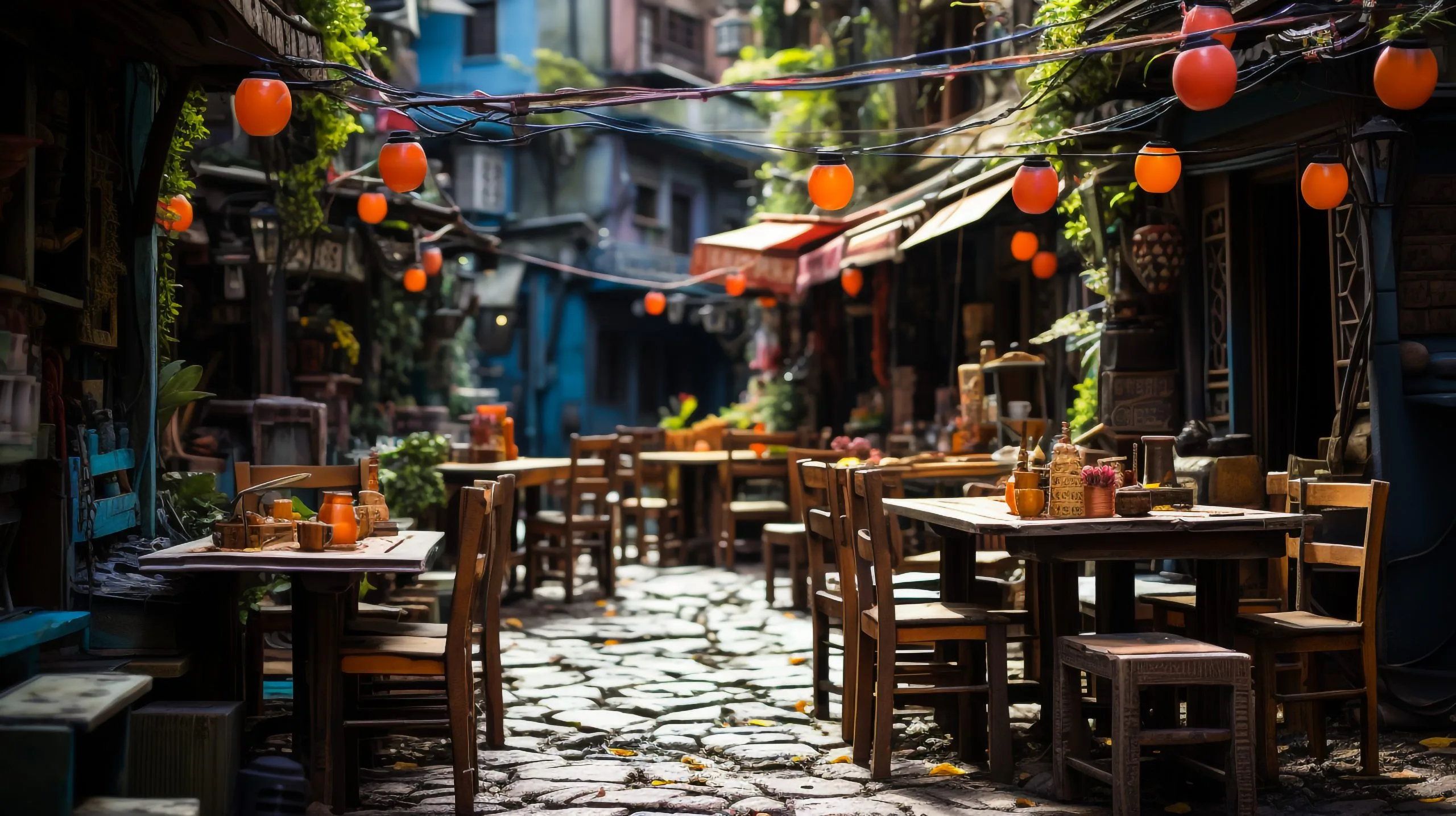
The Vietnam Cafes & Bars Market has emerged as one of Southeast Asia’s most vibrant foodservice segments, supported by a deeply rooted coffee culture, a youthful consumer base, and a thriving tourism industry. Cafés and bars account for approximately 18% of the country’s total foodservice sales and operate through more than 38,000 locations nationwide. The market continues to benefit from growing urbanization, rising disposable incomes, and evolving lifestyle preferences among consumers. From traditional Vietnamese coffee shops to modern specialty cafés and rooftop bars, these establishments have become important spaces for socializing, working, and entertainment.
Key Growth Drivers in the Vietnam Cafes & Bars Market
Strong Coffee Culture and Evolving Consumer Preferences
Coffee is deeply embedded in Vietnamese culture, making it one of the strongest drivers of the Vietnam Cafes & Bars Market. Consumers regularly visit cafés not only for beverages but also for business meetings, social gatherings, remote work, and relaxation. The growing popularity of specialty coffee, premium teas, and innovative beverages is encouraging operators to continuously expand and diversify their menus. Younger consumers, particularly Gen Z and millennials, are driving demand for aesthetically designed cafés, unique beverage concepts, and premium customer experiences. This has led to the rise of themed coffee shops, specialty beverage chains, and lifestyle-oriented café formats across major cities.
Expansion of Urban Café Culture and Social Dining
Vietnam’s rapid urbanization has transformed cafés and bars into key lifestyle destinations. Large cities such as Ho Chi Minh City and Hanoi continue to witness strong demand due to dense office districts, growing middle-class populations, and active nightlife scenes. Ho Chi Minh City alone welcomed approximately 6.1 million international visitors and 38 million domestic tourists, creating significant opportunities for cafés, cocktail bars, and late-night entertainment venues. Consumers increasingly prefer spending time in venues that offer both social experiences and quality food and beverages. As a result, operators are investing heavily in ambiance, digital engagement, and experiential concepts that encourage longer customer visits and repeat spending.
Growth of Digital Ordering and Delivery Services
Technology is playing an increasingly important role in shaping the Vietnam Cafes & Bars Market. Mobile ordering, delivery applications, loyalty programs, and digital promotions are helping operators reach consumers more efficiently. Delivery has become a key channel for beverage consumption, particularly among younger urban consumers who value convenience and flexible purchasing options. The integration of online ordering with customer loyalty ecosystems is helping both independent cafés and large chains improve customer retention and increase sales. This digital transformation is expected to remain an important growth driver over the coming years.
Government and Industry Support for the Vietnam Cafes & Bars Market
Government efforts to promote tourism, urban development, and hospitality investments continue to support the Vietnam Cafes & Bars Market. The steady rise in international tourist arrivals, which increased from approximately 12.6 million to 17.6 million visitors, has significantly strengthened demand for café and bar services in key tourism destinations. In addition, investments in digital infrastructure and support for small businesses are enabling foodservice operators to modernize operations and improve customer engagement. Industry initiatives focusing on sustainability and service quality are also helping businesses stay competitive.
Competitive Landscape of the Vietnam Cafes & Bars Market
The Vietnam Cafes & Bars Market is highly competitive, featuring a mix of chain cafés, traditional coffee shops, independent specialty cafés, cocktail bars, and international brands. Well-established chains such as Highlands Coffee, Phuc Long, The Coffee House, Katinat, Starbucks, and Trung Nguyên Legend continue to strengthen their positions through extensive store networks and loyalty programs. While organized chains are expanding rapidly, independent cafés remain important contributors to the market by offering localized experiences, specialty beverages, and unique concepts tailored to Vietnamese consumers. Innovation, customer experience, and brand identity continue to be key competitive differentiators.
Key Challenges Facing the Vietnam Cafes & Bars Market
Rising Competition and Market Saturation
With more than 38,000 cafés and bars operating across the country, competition has intensified significantly. New entrants frequently enter the market with innovative concepts, making customer retention increasingly challenging for existing operators. Businesses must continuously invest in menu development, branding, technology, and customer experience to remain relevant and maintain market share in a crowded marketplace.
Increasing Operating Costs
Rising rental expenses, labor costs, and ingredient prices can impact profitability, particularly for independent operators. Premium beverage concepts often require ongoing investments in product quality and store design, which can place additional pressure on margins. Maintaining affordability while offering differentiated experiences remains one of the key balancing acts for market participants.
Future Outlook
The future of the Vietnam Cafes & Bars Market remains highly promising, supported by strong coffee consumption habits, expanding urban populations, growing tourism activity, and evolving consumer lifestyles. As beverage-led social occasions become increasingly popular, demand for premium cafés, specialty coffee shops, rooftop lounges, and innovative bar concepts is expected to continue rising. Technological advancements, delivery-driven growth, sustainability initiatives, and the expansion of organized café chains will further strengthen the market. As consumers increasingly seek convenience, memorable experiences, and high-quality beverages, cafés and bars are expected to remain central to Vietnam’s social and hospitality landscape for years to come.
Consultants at Nexdigm, in their latest publication “Vietnam Cafes & Bars Market Outlook to 2035,” analyze the sector By Outlet Format (Chain Cafés, Independent Specialty Cafés, Traditional Vietnamese Coffee Shops, Bia Hơi / Local Beer Bars, Cocktail Bars and Speakeasies), By Beverage Type (Vietnamese Coffee, Espresso-Based Coffee, Cold Brew and Specialty Coffee, Milk Tea and Fruit Tea, Fresh Juices, Smoothies and Functional Beverages).
Nexdigm suggests that businesses should focus on premium beverage innovation, strengthen digital ordering and loyalty ecosystems, expand experiential dining concepts, and leverage Vietnam’s strong coffee culture and tourism growth to capitalize on emerging opportunities in the Vietnam Cafes & Bars Market.
To take the next step, simply visit our Request a Consultation page and share your requirements with us.
Harsh Mittal
+91-8422857704