
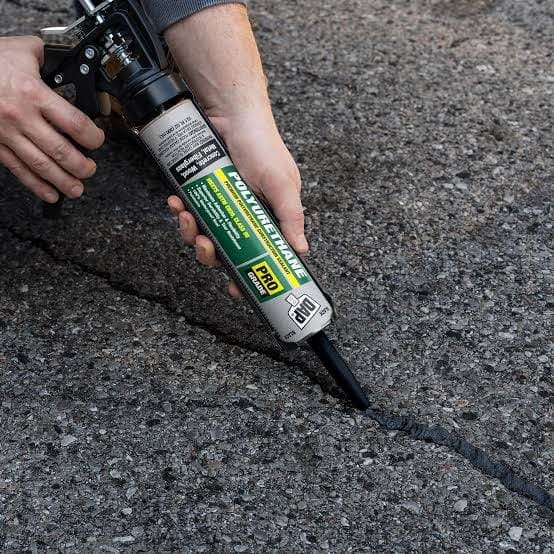
Vietnam’s construction sector continues to evolve as rapid urbanization, industrial expansion, and infrastructure modernization reshape the country’s built environment. Construction sealants have become essential materials for ensuring durability, weather resistance, waterproofing, and energy efficiency in residential, commercial, and industrial projects. From high-rise buildings in Ho Chi Minh City to industrial parks across northern provinces, demand for high-performance sealants is increasing. With Vietnam’s urbanization rate exceeding 40% and major investments flowing into transport and industrial infrastructure, the construction sealants market is positioned for steady growth in the coming years.
Market Drivers Advancing the Vietnam Construction Sealants Industry
Rapid Urbanization and High-Rise Construction Activity
Vietnam’s growing urban population is driving significant residential and commercial construction activity. Cities such as Hanoi, Ho Chi Minh City, Da Nang, and Hai Phong continue to witness extensive development of apartments, office complexes, and mixed-use projects. Modern structures increasingly require silicone, polyurethane, and hybrid sealants for facade glazing, expansion joints, and waterproofing applications. The country continues to add millions of square meters of new residential and commercial floor space annually. As buildings become taller and more complex, developers prioritize high-quality sealing solutions that improve structural performance and long-term maintenance efficiency. This trend is creating sustained opportunities for construction sealant manufacturers and suppliers.
Infrastructure Development Creating New Demand Opportunities
Infrastructure investment remains one of the strongest catalysts for sealant consumption in Vietnam. The government is actively expanding expressways, airports, metro systems, bridges, seaports, and logistics hubs to support economic growth. Major projects such as the Long Thanh International Airport development, North-South Expressway expansion, and urban metro networks require advanced sealant technologies for concrete joints, tunnels, terminals, and transportation facilities. Infrastructure applications demand products capable of withstanding vibration, temperature fluctuations, and environmental exposure, further boosting adoption of premium sealant products.
Growth of Industrial Parks and Manufacturing Facilities
Vietnam has emerged as a major manufacturing hub for electronics, textiles, machinery, and consumer goods. The country hosts hundreds of industrial parks and export-processing zones, attracting substantial foreign direct investment. New factories, warehouses, data centers, and logistics facilities require construction sealants for flooring systems, roofing, curtain walls, and insulation applications. The continued shift of global manufacturing operations toward Vietnam is expected to generate consistent demand for industrial-grade sealants across the construction ecosystem.
Government Initiatives Supporting the Vietnam Construction Sealants Industry
The Vietnamese government continues to promote large-scale infrastructure investment and sustainable urban development through national construction and transportation programs. Public spending on highways, airports, smart cities, and industrial zones supports long-term demand for advanced construction materials, including sealants. Additionally, green building initiatives and energy-efficiency standards are encouraging the use of high-performance sealing products that enhance building durability, indoor comfort, and environmental performance.
Competitive Landscape of Vietnam Construction Sealants Sector
The Vietnam construction sealants market features a mix of multinational and regional manufacturers competing through product innovation, distribution networks, and technical support. Leading companies include Sika, Dow, Henkel, Mapei, Saint-Gobain, BASF, and local construction chemical suppliers. Market participants increasingly focus on low-VOC products, weather-resistant formulations, and solutions tailored for tropical climatic conditions. Strategic partnerships with contractors, architects, and infrastructure developers remain key competitive advantages.
Challenges Facing Vietnam Construction Sealants Industry
Raw Material Price Volatility
Fluctuations in the prices of specialty chemicals, polymers, and petrochemical derivatives can impact manufacturing costs and profitability. Many sealant producers remain exposed to global supply chain disruptions and imported raw material dependency.
Limited Awareness of Premium Sealant Benefits
While adoption is increasing, some smaller contractors still prioritize upfront costs over lifecycle performance. This can slow the penetration of advanced sealant technologies despite their long-term advantages in durability, maintenance reduction, and energy efficiency.
Future Outlook
Vietnam’s construction sealants market is expected to benefit from the country’s continued urban transformation, infrastructure modernization, and industrial expansion. Growing emphasis on sustainable construction practices, energy-efficient buildings, and resilient infrastructure will support demand for advanced sealing solutions. As international investment continues flowing into manufacturing and real estate sectors, the need for durable, high-performance sealants is likely to strengthen. Companies that invest in innovation, environmentally friendly formulations, and localized distribution networks will be well-positioned to capitalize on emerging opportunities across Vietnam’s evolving construction landscape.
Consultants at Nexdigm, in their latest publication “Vietnam Construction Sealants Market Outlook to 2035” analyze the sector By Sealant Chemistry (Acetoxy Silicone Sealants and Structural Silicone Sealants), By Product Type (Roofing Sealants, Construction Joint Sealants and Precast Joint Sealants) and By Application (Precast Panel Joints, Floor Construction Joints and Facade Weather Sealing).
Nexdigm suggests that businesses in “Vietnam Construction Sealants Industry” focusses on oilfield, desalination, construction, and industrial applications, strengthen local warehousing, develop application-specific grades, improve technical support, and build resilient sourcing networks to serve expanding energy, water, and manufacturing demand.
To take the next step, simply visit our Request a Consultation page and share your requirements with us.
Harsh Mittal
+91-8422857704