
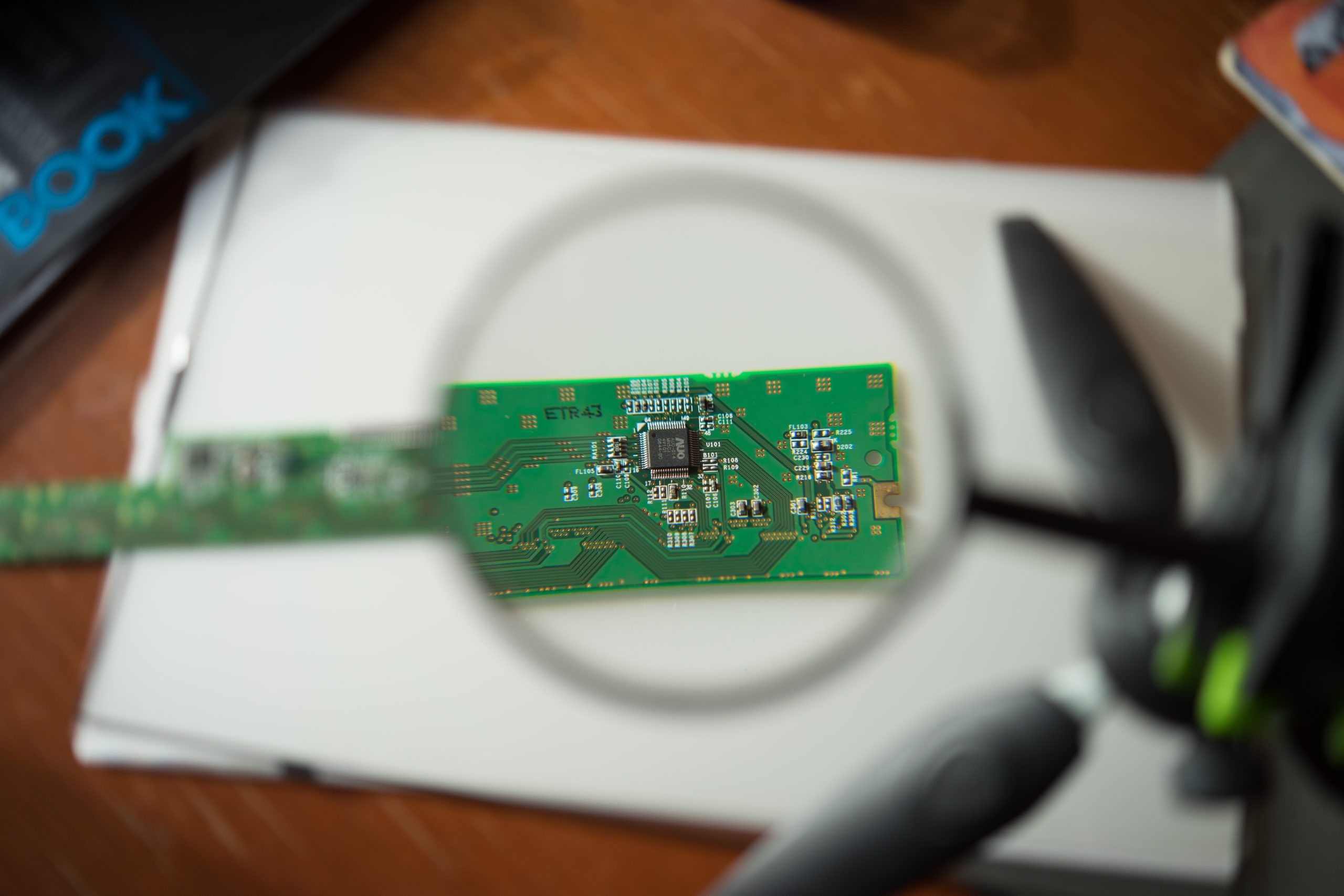
The Vietnam flexible electronics and circuit market is witnessing strong development, driven by expanding electronics manufacturing, semiconductor investment, smartphone production, wearable devices, automotive electronics, and increasing demand for compact electronic components. Vietnam’s exports of computers, electronic products, and components reached approximately USD 38.4 billion during the first half of 2025, increasing 39.7% compared with the previous-year period. Growing foreign investment, electronics supply-chain diversification, and the expansion of high-tech manufacturing are strengthening opportunities for flexible printed circuits, rigid-flex circuits, printed sensors, and flexible hybrid electronics.
Key Market Drivers of Vietnam Flexible Electronics and Circuit Market
Expanding Electronics Manufacturing and Export Ecosystem
Vietnam’s rapidly expanding electronics manufacturing sector is creating substantial demand for flexible circuits and advanced electronic components. Exports of computers, electronic products, and components reached approximately USD 38.4 billion during the first half of 2025, representing annual growth of 39.7%. The country has developed major electronics manufacturing clusters supporting smartphones, computers, cameras, appliances, communication equipment, and consumer devices. Flexible circuits are increasingly valuable in these applications because they enable thinner product designs, reduce wiring requirements, support miniaturization, and improve component integration. Continued production expansion by multinational electronics manufacturers is strengthening opportunities for flexible printed circuit and rigid-flex suppliers.
Growing Semiconductor and Advanced Electronics Investment
Vietnam is strengthening its semiconductor ecosystem as part of its broader transition toward higher-value electronics manufacturing. The national semiconductor development strategy targets more than USD 25 billion in annual semiconductor revenue and over USD 225 billion in electronics industry revenue during its initial development phase. The strategy also aims to establish at least 100 semiconductor design companies, one small-scale semiconductor fabrication facility, and 10 packaging and testing facilities. Growth in semiconductor packaging, electronic modules, advanced assembly, and component manufacturing is expected to increase demand for high-density flexible circuits and precision interconnect technologies.
Increasing Demand for Miniaturized and Flexible Electronic Devices
Flexible circuits are increasingly used in smartphones, wearable devices, cameras, medical electronics, automotive systems, smart appliances, industrial sensors, and connected devices. These applications require smaller, lighter, and increasingly complex electronic assemblies. Flexible printed circuits allow manufacturers to connect components across restricted spaces while supporting folding, bending, and three-dimensional product designs. Vietnam’s established electronics production base and integration into global manufacturing networks are encouraging suppliers to expand capabilities in multilayer flexible circuits, compact interconnects, printed sensors, and flexible electronic modules.
Government Support towards Vietnam Flexible Electronics and Circuit Market
The Vietnamese government is supporting advanced electronics and semiconductor development through its national semiconductor industry strategy. The plan targets the development of at least 50,000 semiconductor engineers and graduates during its first phase while expanding design, packaging, testing, research, and manufacturing capabilities. Government initiatives also support specialized laboratories, university-industry collaboration, workforce development, high-tech investment incentives, and electronics industrial clusters, creating a stronger foundation for flexible electronics and advanced circuit manufacturing.
Competitive Landscape of Vietnam Flexible Electronics and Circuit Market
The Vietnam flexible electronics and circuit market includes multinational electronics manufacturers, contract manufacturers, semiconductor companies, component suppliers, and specialized circuit producers. Competition is driven by circuit miniaturization, multilayer manufacturing capability, production yield, reliability, precision assembly, supply-chain responsiveness, and integration with displays, sensors, cameras, semiconductor packages, and communication devices. Suppliers compete on technological capabilities, manufacturing quality, operational efficiency, engineering expertise, and their ability to support advanced electronics production requirements.
Market Challenges of Vietnam Flexible Electronics and Circuit Market
Dependence on Imported Materials and Manufacturing Equipment
Vietnam’s flexible electronics industry remains dependent on imported semiconductor components, specialty substrates, conductive materials, adhesives, chemicals, and high-precision production equipment. This dependence exposes manufacturers to international supply-chain disruptions, currency fluctuations, shipping constraints, and changes in global component availability. Strengthening domestic material production and supplier networks will remain important for improving long-term manufacturing resilience.
Skilled Workforce and Technology Capability Gaps
Advanced flexible circuits require expertise in precision etching, lamination, plating, multilayer alignment, component mounting, inspection, and reliability testing. Vietnam’s target of developing at least 50,000 semiconductor engineers and graduates reflects the scale of workforce development required as the electronics sector moves toward higher-value manufacturing. Competition for skilled engineers, technicians, and process specialists may create operational challenges for manufacturers expanding advanced circuit production capabilities.
Future Outlook
The Vietnam flexible electronics and circuit market is expected to experience continued expansion through 2035, supported by electronics manufacturing growth, semiconductor investment, supply-chain diversification, and increasing demand for lightweight and miniaturized electronic systems. Future opportunities will increasingly focus on flexible printed circuits, rigid-flex designs, printed sensors, wearable electronics, automotive interconnects, and semiconductor-integrated assemblies. Companies prioritizing manufacturing quality, multilayer capability, technical expertise, supply-chain integration, and multinational customer partnerships are positioned to strengthen their competitive advantages.
Consultants at Nexdigm, in their latest publication “Vietnam Flexible Electronics & Circuit Market Outlook to 2035,” analyze the sector By Substrate Material Type (Metal Foil Substrates, Ultra-Thin Glass Substrates, Paper-Based Flexible Substrates, Bio-Based Flexible Substrates), By End-Use Industry (Electronics Manufacturing, Healthcare and Medical Technology, Automative Industry, Aerospace and Defense Sector)
Nexdigm suggests that businesses in the Vietnam Flexible Electronics & Circuit Market Outlook to 2035 should prioritize advanced flexible-circuit manufacturing, semiconductor integration, skilled workforce development, strategic multinational partnerships, and supply-chain localization to capitalize on expanding electronics exports, high-tech investment, and growing demand for miniaturized electronic systems.
To take the next step, simply visit our Request a Consultation page and share your requirements with us.
Harsh Mittal
+91-8422857704