
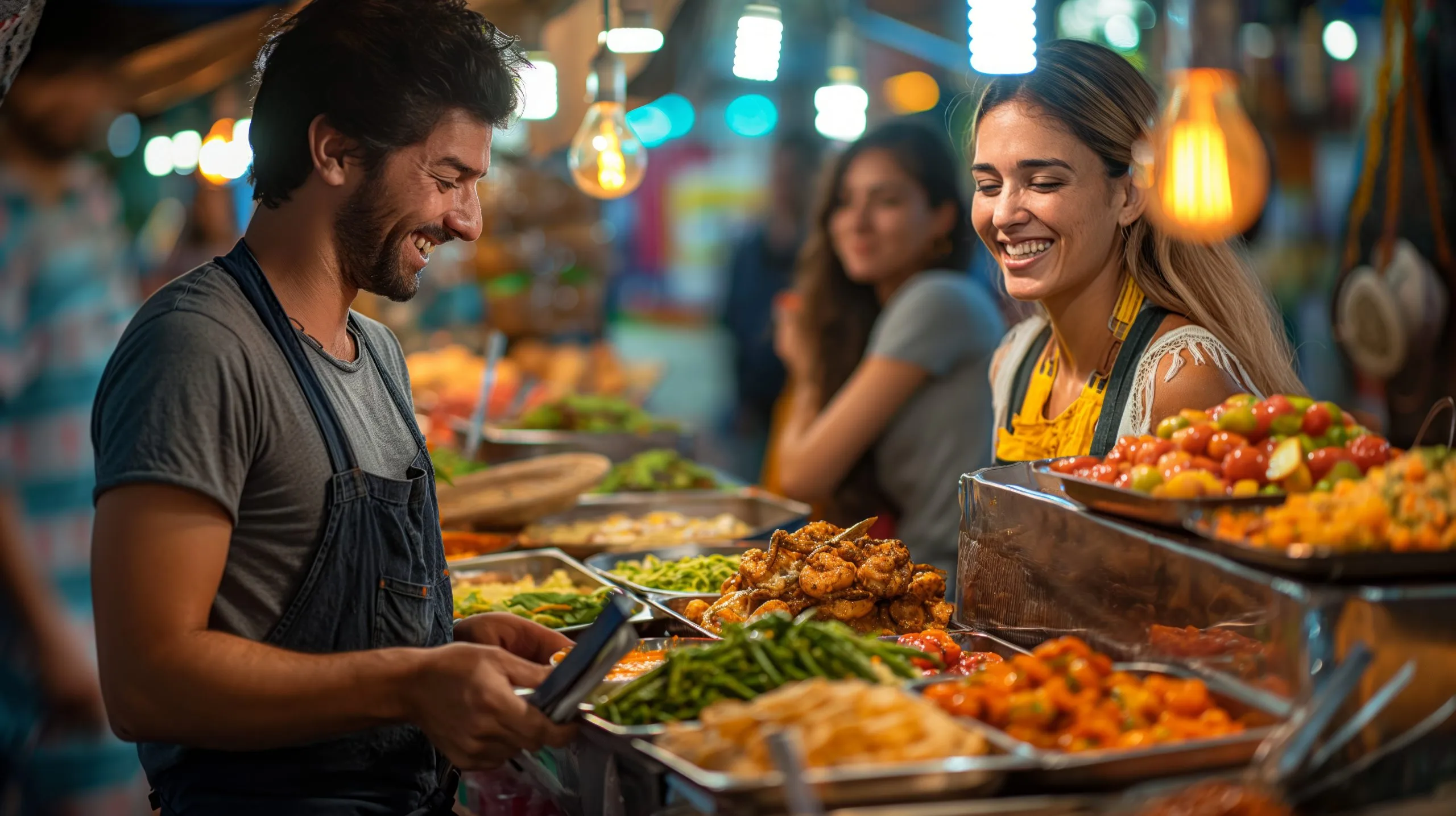
The Vietnam foodservice market is expanding steadily as consumers spend more on dining out, takeaway meals, cafés, and online food delivery. Rising urbanization, higher disposable incomes, and a young, digitally active population are changing how people discover and consume food. The market was valued at around USD 24.77 billion in 2025 and is projected to reach USD 45.21 billion by 2031. From street food and local eateries to modern cafés, quick-service restaurants, and international dining brands, Vietnam’s foodservice sector is becoming more diverse, competitive, and consumer-focused.
Key market drivers are strengthening Vietnam’s foodservice demand
Urban consumers are increasing spending on convenience dining
Vietnam’s growing urban population is one of the key forces behind foodservice growth. Busy work schedules, smaller households, and changing lifestyles are encouraging consumers to choose ready-to-eat meals, cafés, casual dining outlets, and takeaway formats. Young professionals and students are especially driving demand for affordable, quick, and flexible food options. At the same time, rising incomes are allowing more consumers to spend on branded restaurants, international cuisines, and premium dining experiences. This shift is helping both local and global foodservice players expand across cities such as Ho Chi Minh City, Hanoi, Da Nang, and other emerging urban centers.
Online food delivery is becoming part of everyday consumption
Digital platforms are reshaping Vietnam’s foodservice market by making restaurant meals more accessible and convenient. The online food delivery market was valued at about USD 1.1 billion in 2025 and is expected to reach USD 3.42 billion by 2034, growing at a strong pace. Mobile apps, digital payments, real-time tracking, discounts, and wider restaurant listings have made food delivery a normal part of urban life. This trend is also supporting the growth of cloud kitchens and delivery-first food brands.
Tourism recovery is boosting restaurants and hospitality dining
Vietnam’s strong tourism sector is creating additional demand for restaurants, cafés, hotels, and foodservice outlets in key travel destinations. International visitors are increasing demand for local cuisine, premium dining, and hospitality-led foodservice experiences. As tourism continues to recover and expand, foodservice businesses in major cities and tourist hubs are expected to benefit from higher footfall and stronger spending.
Government support and initiatives are improving the business environment
Government efforts to support tourism, food safety, digital payments, and small business development are helping Vietnam’s foodservice market become more organized. Policies promoting tourism growth are especially important for restaurants, cafés, and hospitality-linked foodservice operators. Food safety regulations are encouraging businesses to improve hygiene, quality control, and compliance standards. At the same time, support for digital transformation and small enterprises is helping local operators adopt online ordering, digital payments, and more efficient business practices.
Competitive landscape is becoming more diverse and brand driven
Vietnam’s foodservice market includes local restaurants, street food vendors, cafés, international chains, quick-service restaurants, delivery platforms, and cloud kitchen operators. Competition is increasing as brands expand their store networks, strengthen delivery partnerships, and introduce localized menus. International players are focusing on brand consistency, speed, and convenience, while local operators continue to win customers through authentic flavors, affordability, and cultural familiarity. Digital marketing, customer loyalty programs, and influencer-led promotions are also becoming important tools for building visibility.
Market challenges continue to affect growth and profitability
Rising operating costs are pressuring foodservice margins
Foodservice operators in Vietnam face cost pressures from ingredients, rent, utilities, wages, packaging, and delivery commissions. These expenses can reduce margins, especially for smaller restaurants and independent food businesses. Passing higher costs to consumers is not always easy in a price-sensitive market.
Quality consistency and food safety remain key concerns
As the sector expands, maintaining consistent food quality, service standards, and hygiene becomes more important. Food safety compliance can be challenging for smaller operators with limited resources. Businesses that invest in better processes, training, and supplier management are more likely to build long-term consumer trust.
Future outlook
The outlook for the Vietnam foodservice market remains strong, supported by urbanization, tourism recovery, digital ordering, and rising consumer spending. The market is expected to grow from USD 24.77 billion in 2025 to USD 45.21 billion by 2031, reflecting strong long-term potential. Demand for cafés, quick-service restaurants, delivery-first brands, and modern dining formats is likely to keep rising. Businesses that combine convenience, affordability, local taste preferences, digital engagement, and operational efficiency will be better positioned to capture future growth.
Consultants at Nexdigm, in their latest publication “Vietnam foodservice market outlook to 2035,” analyze the sector By Service Type (Outlet Density, Average Ticket Size, Throughput Capacity), By Cuisine Type (Menu Diversity, Consumer Preference Index, Average Spend Per Visit)
Nexdigm suggests that businesses in the Vietnam foodservice market should focus on digital ordering, delivery partnerships, and localized menu strategies to meet evolving consumer preferences.
To take the next step, simply visit our Request a Consultation page and share your requirements with us.
Harsh Mittal
+91-8422857704