
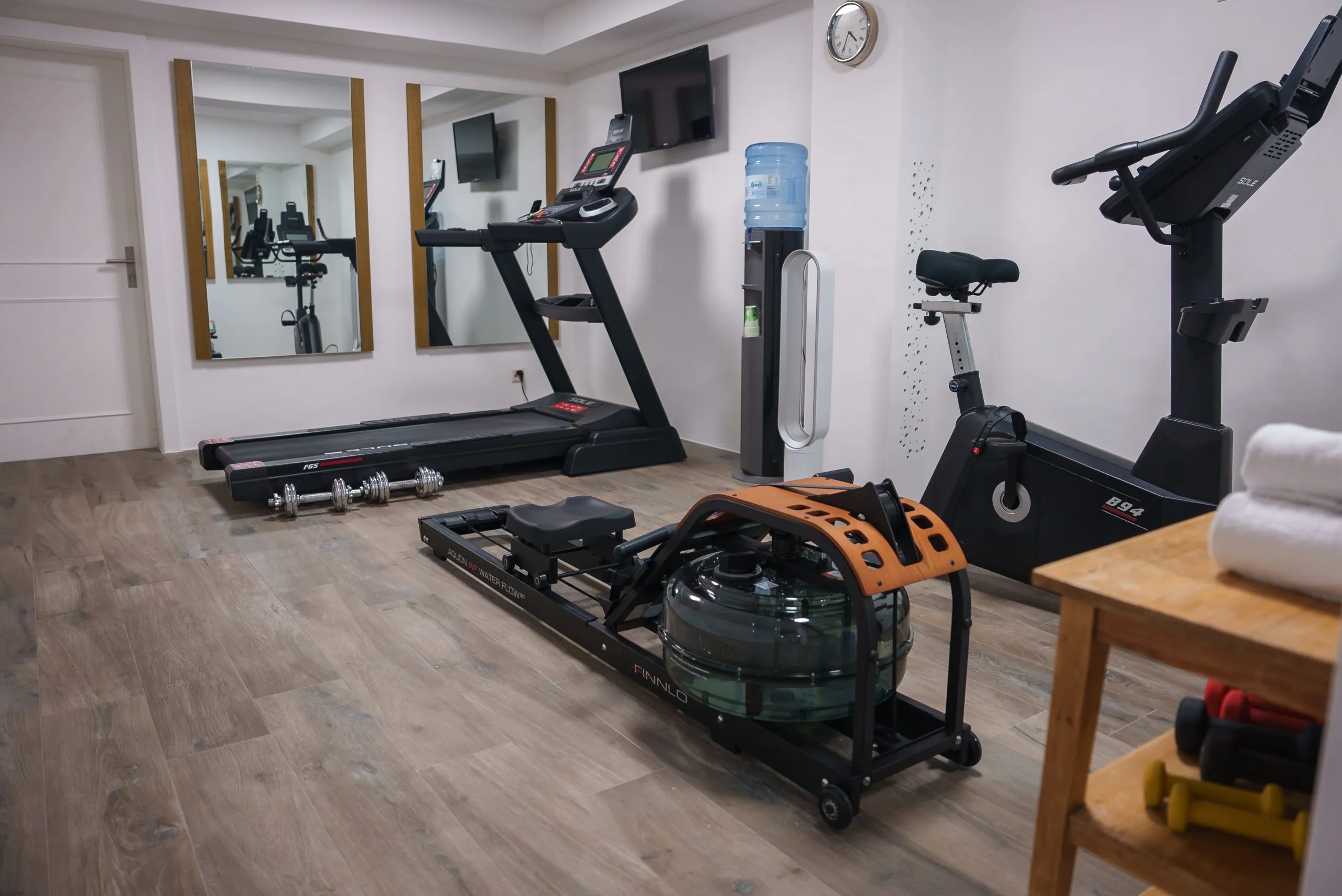
The home fitness trend in Vietnam is no longer just a pandemic-era experiment it is steadily becoming a permanent part of people’s daily routines. Busy urban lifestyles, rising health awareness, and the growth of digital fitness solutions are motivating more Vietnamese households to invest in equipment like treadmills, exercise bikes, adjustable dumbbells, and compact strength systems. The broader Vietnam exercise equipment market is projected to generate US$649.21 million in revenue and grow at a 7.82% CAGR in the coming years. As consumers increasingly prioritize wellness, home workouts are evolving into accessible, everyday practices. As we move ahead, home fitness in Vietnam is expected to become more connected, interactive, and deeply integrated into lifestyle choices, blending convenience with technology.
Factors affecting Home Fitness in Vietnam
Health Awareness Is Becoming a Daily Priority
Awareness about lifestyle-related health issues such as obesity, diabetes, and cardiovascular conditions is growing in Vietnam. Many urban residents now view regular exercise not just as a hobby but as a necessary preventive measure. Home fitness equipment allows users to work out consistently without relying on gyms or outdoor spaces. Treadmills, resistance bands, adjustable weights, and stationary bikes are becoming household staples. Multifunctional systems that combine cardio, strength, and flexibility exercises are gaining popularity, reflecting a shift toward practical, sustainable home workout solutions. More consumers are now seeking routines that fit into their work and family schedules while delivering measurable results.
Convenience and Flexible Workouts Matter Most
Rapid urbanization, long commutes, and hybrid work patterns in cities like Ho Chi Minh City and Hanoi have made time a precious commodity. Home equipment allows users to squeeze workouts into short windows of free time, whether early mornings, lunch breaks, or evenings. Compact, foldable, and portable fitness tools such as under-desk walkers, dumbbells, and resistance machines are increasingly attractive. This convenience resonates with working professionals, homemakers, and older adults. The ability to exercise without leaving home saves time, reduces stress, and supports long-term adherence to fitness routines. Convenience has emerged as one of the primary factors driving growth in Vietnam’s home fitness market.
Digital Integration Keeps Users Engaged
Connected fitness is reshaping home workouts by offering interactivity, personalized guidance, and real-time feedback. Consumers now look for equipment that links with apps, provides guided sessions, tracks progress, and syncs with wearables. Smart bikes, treadmills, and app-enabled strength systems enhance engagement and motivation. Digital tools also provide gamification, challenges, and community-based interactions that make workouts more enjoyable. For manufacturers, subscription services and app integrations create recurring revenue streams and strengthen brand loyalty. Technology is expected to be a core growth driver for Vietnam’s home fitness market in the upcoming years.
Government Efforts Supporting Home Fitness in Vietnam
Vietnamese authorities and public health campaigns increasingly encourage active lifestyles to prevent lifestyle-related diseases and promote wellness. Initiatives include community fitness programs, public education campaigns, and awareness drives around obesity and cardiovascular health. While these programs do not directly fund home fitness equipment, they influence consumer behavior by emphasizing the importance of regular activity. As public understanding of preventive health grows, interest in practical and convenient home fitness solutions is expected to rise. This creates a supportive environment for sustained market expansion.
Competitive Insights of Vietnam Fitness Equipment Market
Vietnam’s home fitness equipment market includes international brands, local manufacturers, e-commerce platforms, and tech-enabled startups. Competition is driven by affordability, durability, space-efficient design, digital features, and customer support. Consumers increasingly favor brands that balance quality and value, with reliable hardware combined with digital engagement. Companies offering flexible delivery, financing options, virtual coaching, and localized services are gaining a competitive edge. Understanding Vietnamese consumer preferences is critical for brands looking to capture market share.
Challenges Facing the Home Fitness Market in Vietnam
Affordability and Pricing Pressures
Premium equipment such as smart treadmills, connected bikes, and strength systems can be expensive for many households. Subscription fees for app access or virtual classes can further increase the cost, limiting adoption among price-sensitive buyers. This creates strong demand for mid-range or budget-friendly alternatives. Brands that provide scalable packages, financing options, and durable equipment are better positioned to expand adoption across urban and semi-urban markets.
Space Limitations and Maintaining Usage
Many Vietnamese homes, especially in dense urban areas, have limited space, making bulky equipment difficult to accommodate. Buyers often prefer foldable or multifunctional designs that can be stored easily. Another challenge is maintaining long-term usage. Without engaging content, progress tracking, or measurable goals, users may lose motivation over time. Incorporating gamification, coaching, and digital reminders can help sustain interest and maximize the value of home fitness products.
Future Outlook
The Vietnam home fitness equipment market is expected to grow steadily in the coming years, driven by rising health awareness, urban lifestyles, and adoption of digital fitness tools. The market’s projected to grow at 7.82% CAGR value, in the upcoming years, indicate strong potential for sustained growth. Future opportunities lie in compact, connected, and affordable equipment tailored to urban households. Brands that combine convenience, engagement, technology, and affordability will be well-positioned to capture long-term consumer loyalty. Home fitness is likely to evolve into a fully integrated wellness ecosystem, incorporating digital coaching, wearable tracking, recovery tools, and community engagement features.
Consultants at Nexdigm, in their latest publication “Vietnam Home Fitness Equipment Market Outlook to 2035” analyze the sector by Product Category (Cardiovascular Equipment, accessories and Support, Strength and Resistant Equipment, Smart Devices), by Price Category (Mass/Economy Tier, Mid-range Products, Premium Tier Equipment).
Nexdigm suggests that businesses should focus on offering affordable, compact, and digitally connected home fitness solutions tailored to Vietnamese consumers. They should integrate app-based coaching, personalized workout programs, flexible pricing, and strong after-sales support to enhance engagement, retention, and long-term growth in Vietnam’s expanding home fitness equipment market.
To take the next step, simply visit our Request a Consultation page and share your requirements with us.
Harsh Mittal
+91-8422857704