
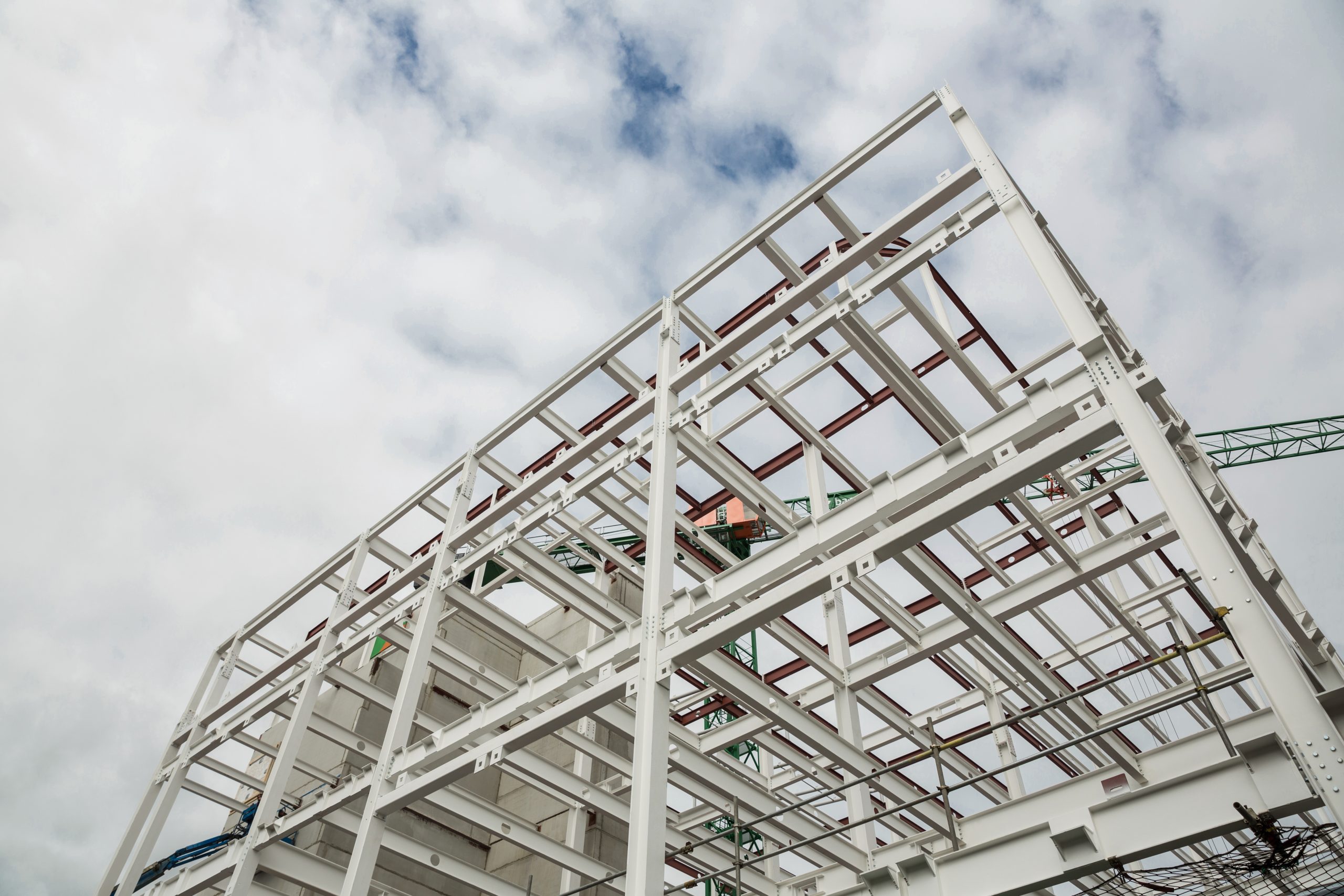
Vietnam’s insulated concrete form (ICF) market is gradually gaining attention as construction companies look for building systems that combine structural strength, insulation, and efficient installation. ICFs use insulated forms that remain in place after concrete is poured, creating walls with thermal and structural benefits in one assembly. Vietnam’s construction industry is expected to grow 7.9% in real terms in 2026, supported by foreign investment and spending on transport and energy infrastructure. At the same time, green construction is gaining momentum, with 196 buildings receiving green certification in 2025. These trends create a broader environment for energy-efficient construction systems such as ICF.
Key Growth Drivers for Vietnam’s Insulated Concrete Form Market
Energy Efficiency Supports Vietnam’s ICF Market
Energy efficiency is becoming more relevant as Vietnam’s buildings face hot and humid weather for much of the year. ICF walls combine concrete with continuous insulation, helping limit heat transfer and maintain more stable indoor conditions. For building owners, this can support lower cooling requirements and improved occupant comfort. The expansion of green construction strengthens this opportunity. Vietnam had 780 green-certified buildings covering more than 18.6 million square metres by the end of 2025. In 2025 alone, certified floor area increased by 15%, reaching 4.4 million square metres. While green certification does not specifically require ICF construction, the growing emphasis on energy and material efficiency gives high-performance wall systems more visibility among developers.
Residential and Commercial Construction Create Demand
Vietnam’s expanding construction sector provides a substantial potential customer base for ICF manufacturers. Construction output is forecast to increase by 7.9% in 2026, with housing, infrastructure, foreign investment, and energy projects identified as important contributors. ICFs can be used in residential buildings, schools, offices, hotels, and other structures where thermal performance and durability matter. The green-building market is also increasingly active in apartments and industrial facilities. In 2025, apartments accounted for more than 30% of newly certified green buildings, while green-certified industrial floor space increased by 54%. This combination of residential and industrial development can create opportunities for alternative construction technologies.
Sustainable Building Practices Strengthen Vietnam’s ICF Market
Vietnam’s green-building activity is moving beyond a niche segment. EDGE and LEED together account for nearly 90% of the country’s green-building market by certified building numbers, according to recent market data. Developers increasingly have to consider energy use, material efficiency, operating costs, and long-term building performance. ICFs can fit into this conversation because the system combines insulation and structural functions within one wall assembly. For developers seeking practical ways to improve building performance, ICFs may become one of several construction technologies evaluated during project planning.
Government Support for Vietnam’s Insulated Concrete Form Market
Vietnam’s construction policies increasingly emphasize energy efficiency, resource efficiency, and sustainable development. The country’s green-building ecosystem is expanding rapidly, with 780 certified buildings recorded by the end of 2025. Government-backed infrastructure investment is also supporting construction activity, while green-finance and certification frameworks are encouraging developers to consider environmental performance. Although these initiatives do not directly promote ICF systems, they create favorable conditions for construction technologies that can contribute to efficient and durable buildings.
Competitive Landscape in Vietnam’s Insulated Concrete Form Market
Vietnam’s ICF landscape remains relatively specialized, with opportunities for international manufacturers, local construction-material suppliers, distributors, contractors, and building-system specialists. Competition is likely to focus on insulation performance, product availability, installation efficiency, technical support, and overall project economics. Contractor familiarity will also matter because ICF construction requires appropriate handling of reinforcement, concrete placement, openings, and building services. Suppliers that can provide training and demonstrate successful local applications may find it easier to build market awareness.
Challenges Facing Vietnam’s Insulated Concrete Form Market
Initial Costs Can Affect Vietnam’s ICF Market
ICF adoption can face resistance when developers compare upfront costs with familiar construction methods. The forms, concrete, reinforcement, labor, and installation requirements all need to be considered during project planning. Without sufficient awareness of long-term energy and durability benefits, some builders may continue using established wall systems.
Contractor Experience Remains Important in Vietnam’s ICF Market
ICF installation is different from conventional brick, block, or reinforced-concrete construction. Contractors need practical experience with form alignment, reinforcement, concrete pouring, and service integration. A limited pool of experienced installers can increase perceived project complexity. Training, demonstration projects, and technical assistance can help reduce this barrier as awareness of ICF technology develops.
Future Outlook
In the coming years, Vietnam’s ICF market has an opportunity to grow alongside the country’s rapidly expanding construction and green-building activity. With construction output forecast to rise 7.9% in 2026 and green-certified buildings increasing to 780 nationwide, the market is moving toward greater consideration of building performance and sustainability. For ICF suppliers, the next stage will be about showing where the technology makes practical sense rather than simply promoting it as an alternative construction method. Competitive pricing, local contractor training, reliable supply, and evidence of energy and durability benefits could help ICFs gain wider recognition across Vietnam’s residential, commercial, and industrial projects.
Consultants at Nexdigm, in their latest publication “Vietnam Insulated Concrete Form Market Outlook to 2035,” analyze the sector By ICF System Type (Flat Wall, Grid Wall, Screen Grid, Post and Beam System, Block Type and Vertical ICF Systems), By Building Applications (Basements and Foundations, Above Grade Exterior Walls and Multi Story Building Walls)
Nexdigm suggests that businesses in Vietnam’s Insulated Concrete Form Industry must focus on cost-effective solutions, strengthen local distribution networks, expand contractor training, and demonstrate the practical benefits of ICF systems to support adoption across residential, commercial, and industrial construction.
To take the next step, simply visit our Request a Consultation page and share your requirements with us.
Harsh Mittal
+91-8422857704