
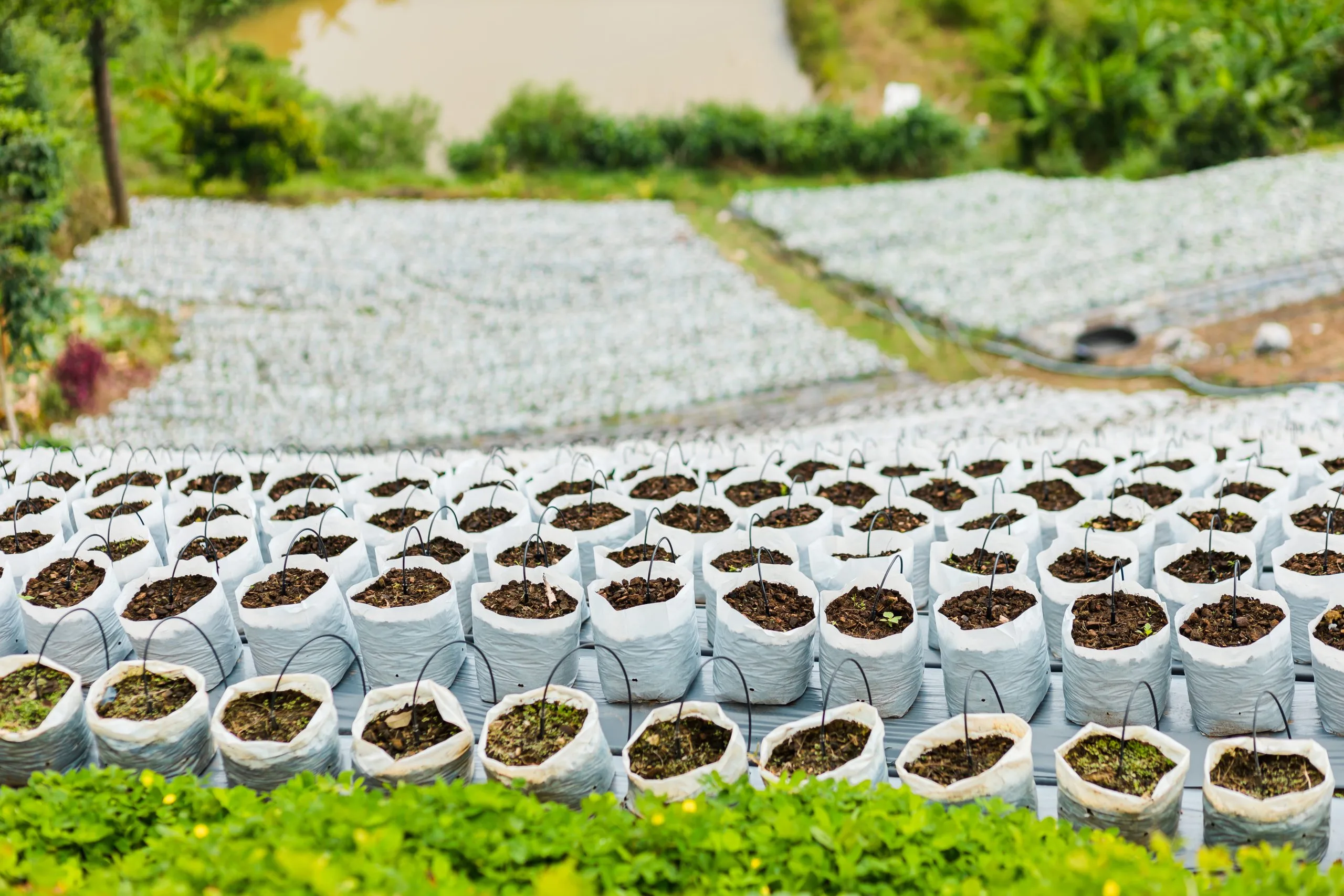
The Vietnam micronutrient fertilizer market is gaining momentum as farmers increasingly focus on improving crop productivity, soil health, and export-quality agricultural output. Vietnam has more than 11 million hectares of agricultural land, including approximately 7 million hectares dedicated to rice cultivation, making efficient nutrient management crucial for sustaining yields. Additionally, the country’s agricultural exports have surpassed USD 62 billion, increasing the demand for high-quality crops that meet international market standards. Growing awareness of zinc, boron, and iron deficiencies in intensive farming regions is further driving the adoption of specialized micronutrient fertilizers. As agriculture modernizes and farmers seek greater returns from every hectare, micronutrient fertilizers are becoming an essential tool for improving crop quality, productivity, and long-term soil fertility.
Key Market Drivers Shaping the Vietnam Micronutrient Fertilizer Market
Rising Soil Nutrient Deficiencies Across Major Crops
One of the key growth drivers is the increasing prevalence of micronutrient deficiencies in Vietnam’s agricultural soils. Intensive cultivation of rice, coffee, fruits, vegetables, and other high-value crops has accelerated the depletion of critical nutrients such as zinc, boron, and iron. These deficiencies can significantly reduce crop yields and quality if left unaddressed. Zinc fertilizers currently account for a leading share of the market due to widespread zinc shortages in the Mekong Delta and Red River Delta. Farmers are increasingly adopting micronutrient-based nutrition programs to restore soil balance and maximize crop performance.
Growing Adoption of Precision Nutrient Management
Vietnam’s agricultural sector is witnessing increasing adoption of precision farming practices and targeted nutrient application methods. Farmers are utilizing soil testing, foliar nutrition programs, and improved fertilizer management strategies to optimize nutrient-use efficiency and reduce input waste. The shift toward technology-driven farming is particularly significant in export-oriented crop production, where quality and consistency are major priorities. Precision nutrient management allows growers to address specific deficiencies while improving productivity and profitability.
Expanding Demand for Export-Quality Agricultural Products
Vietnam is one of the world’s leading exporters of rice, coffee, pepper, fruits, and seafood-related agricultural commodities. As global buyers increasingly prioritize quality standards, farmers are under pressure to produce crops with superior nutritional profiles, appearance, and yield performance. Micronutrient fertilizers play a critical role in supporting these objectives by enhancing plant metabolism, nutrient absorption, and crop resilience. The continued expansion of agricultural exports is expected to create sustained demand for advanced nutrient-management solutions.
Government Support Strengthening the Vietnam Micronutrient Fertilizer Market
Government initiatives promoting sustainable agriculture, soil improvement, and efficient fertilizer utilization are supporting market development. Authorities continue to encourage balanced nutrient management practices to enhance agricultural productivity while protecting natural resources. In addition, modernization programs aimed at improving farming efficiency and export competitiveness are fostering the adoption of advanced crop nutrition solutions. These efforts are helping create a favorable environment for micronutrient fertilizer manufacturers and suppliers.
Competitive Landscape of the Vietnam Micronutrient Fertilizer Market
The market consists of domestic fertilizer manufacturers, international crop nutrition companies, and specialized agricultural input providers. Competition is driven by product innovation, agronomic support services, nutrient efficiency, and distribution reach. Manufacturers are increasingly focusing on zinc-based products, chelated micronutrients, and specialty formulations designed for rice, coffee, and horticultural crops. Strategic collaborations with distributors and farmer cooperatives are also helping companies strengthen their position in the market.
Market Challenges Affecting the Vietnam Micronutrient Fertilizer Market
Limited Farmer Awareness in Some Regions
Although awareness of balanced crop nutrition is improving, many smallholder farmers still rely primarily on conventional fertilizers. Limited access to soil testing and technical guidance can result in inadequate micronutrient management practices. Expanding education programs and agronomic advisory services will be important for increasing market penetration and adoption.
Volatility in Input Costs and Supply Chains
The fertilizer industry continues to face challenges related to fluctuating raw material prices, logistics costs, and supply chain disruptions. These factors can impact product affordability and influence purchasing decisions among farmers. Managing cost pressures while maintaining product quality will remain a key challenge for market participants over the coming years.
Future Outlook
The future outlook for the Vietnam micronutrient fertilizer market remains highly positive, supported by rising agricultural exports, increasing adoption of precision farming techniques, and stronger awareness of soil health management. Demand for micronutrient products is expected to increase as growers focus on improving yields, crop quality, and long-term sustainability. With continued investments in agricultural modernization and growing cultivation of high-value crops such as rice, coffee, fruits, and vegetables, the market is poised for steady expansion. Companies that invest in innovative formulations, farmer education, and crop-specific nutrient solutions will be well-positioned to capitalize on emerging growth opportunities across Vietnam’s evolving agricultural sector.
Consultants at Nexdigm, in their latest publication “Vietnam Micronutrient Fertilizer Market Outlook to 2035,” analyze the sector By Nutrient Type (Zinc Fertilizers, Boron Fertilizers, Iron Fertilizers, Manganese Fertilizers, Copper Fertilizers, Molybdenum Fertilizers), By Crop Type (Rice, Coffee, Fruits & Vegetables, Pepper, Rubber, Maize, Cashew).
Nexdigm suggests that businesses should focus on developing crop-specific micronutrient solutions for rice, coffee, fruit, and vegetable cultivation, expand farmer education programs on soil nutrient management, and leverage precision agriculture technologies to address widespread zinc, boron, and iron deficiencies. Strengthening distribution networks and supporting Vietnam’s export-oriented agriculture sector will help companies capitalize on the growing demand for high-quality and sustainable crop production.
To take the next step, simply visit our Request a Consultation page and share your requirements with us.
Harsh Mittal
+91-8422857704