
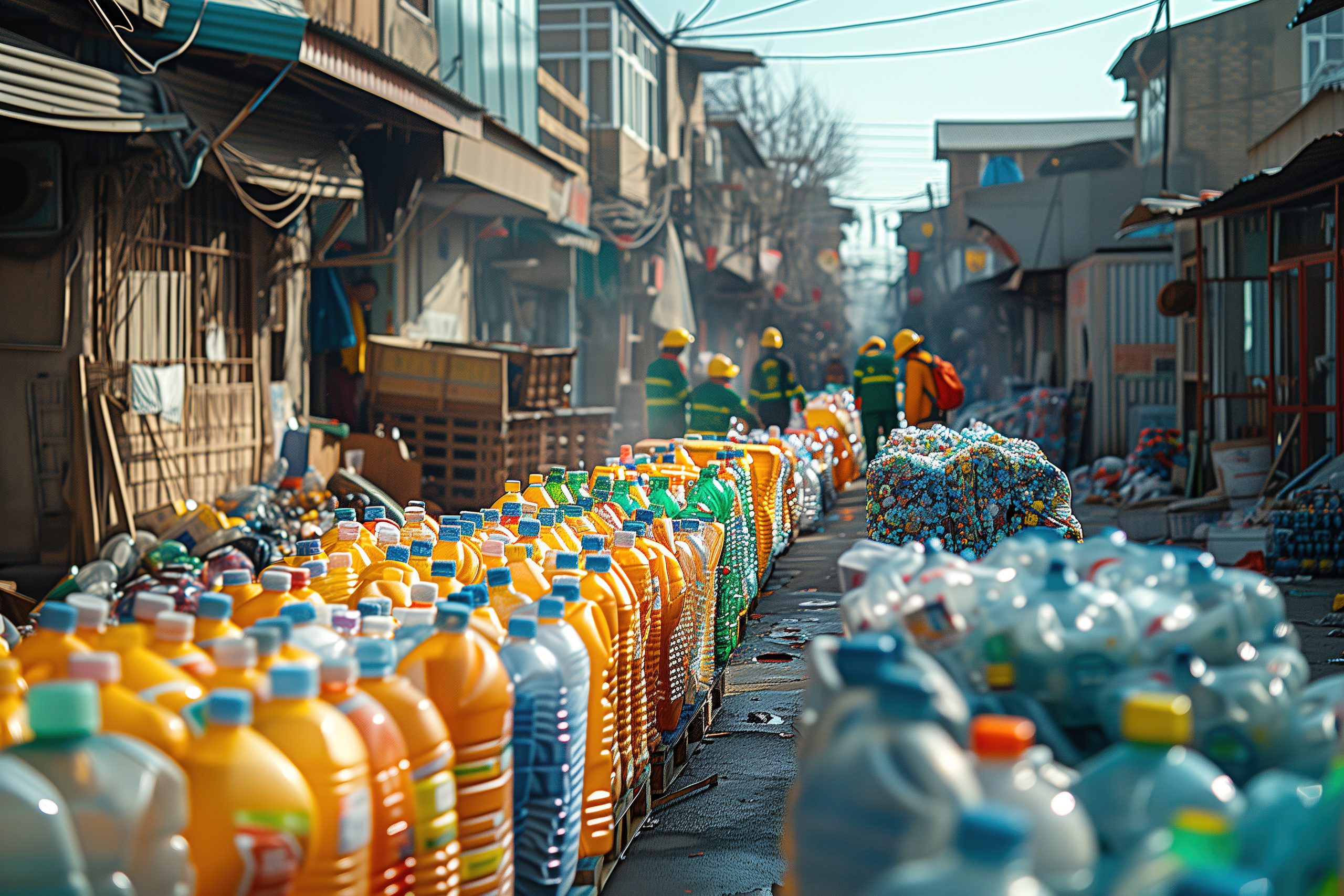
Vietnam’s plastics industry is becoming an increasingly important part of the country’s manufacturing and export economy. Demand is no longer driven by packaging alone, with construction, electronics, automotive components, household goods, and agriculture creating new opportunities. The industry generated an estimated USD 34.3 billion in revenue in 2025, while total export turnover approached USD 10 billion. Plastic product exports alone reached around USD 7.47 billion, rising 13.7% from the previous year. This expanding footprint is helping Vietnam establish a stronger position within regional and global plastics supply chains.
Market Drivers Creating Momentum Across Vietnam’s Plastics Industry
Consumer Growth Keeps Packaging Demand Moving
As Vietnam’s consumer economy expands, plastics continue to play an important role in food and beverages, personal care, retail, household products, and e-commerce. Businesses rely on plastic packaging for its durability, lightweight nature, flexibility, and ability to protect products efficiently. However, packaging preferences are beginning to change. Brands are increasingly exploring recyclable formats, recycled content, and designs that require less material, creating room for manufacturers to develop solutions that balance affordability, functionality, and sustainability.
Manufacturing Expansion Opens New Avenues for Plastics
Vietnam’s growing manufacturing base is creating demand for plastics well beyond consumer packaging. Electronics, electrical equipment, vehicles, appliances, construction products, and industrial components require materials with more specialized performance characteristics. As these industries become more sophisticated, manufacturers have opportunities to move into engineering and specialty polymers that offer properties such as heat resistance, electrical insulation, strength, durability, and lightweighting.
Export Growth Takes Vietnamese Plastics to Wider Markets
Exports are becoming an increasingly important part of the industry’s growth story. Vietnam’s plastic product exports reached approximately USD 7.47 billion in 2025, representing 13.7% annual growth. Expanding international sales provide manufacturers with opportunities to increase production and enter new markets. They also raise expectations around consistent quality, traceability, recyclability, and compliance with the environmental requirements of major export destinations.
Vietnamese Government Policies Bringing Changes in the Plastic Industry
Vietnam’s policy environment is gradually making recycling part of everyday business planning. Extended Producer Responsibility requirements apply to specified packaging and require producers and importers to take greater responsibility for post-consumer materials. Decree 110/2026/ND-CP further regulates recycling responsibilities for products and packaging. Mandatory recycling rates are expected to be reviewed periodically, encouraging manufacturers to consider material recovery, recyclability, and packaging design earlier in product development.
Competitive Landscape of Vietnam’s Plastic Industry
Vietnam’s plastics industry brings together domestic processors, packaging companies, recyclers, resin suppliers, and multinational manufacturers. Price and production scale remain important, but they are no longer the only differentiators. Customers increasingly value consistent quality, customized materials, automation, energy efficiency, recycled content, and reliable delivery. Producers that strengthen technical capabilities, secure dependable material supplies, and build recycling partnerships can create a stronger position in both domestic and export markets.
Market Challenges affecting Vietnam’s Plastic Industry Growth
Raw Material Dependence Leaves Producers Exposed
Access to raw materials remains an important concern. Vietnam’s plastics industry has historically imported around 70% of the raw materials it requires. This dependence leaves manufacturers exposed to fluctuations in global resin prices, currency movements, freight costs, and international supply disruptions, making supply-chain planning particularly important.
Circular Transition Brings New Investment Needs
Meeting higher environmental expectations will require more than regulatory compliance. Businesses need better collection networks, recycling infrastructure, traceability systems, redesigned packaging, and modern processing technology. These investments can increase costs in the short term, particularly for smaller processors with limited capital, even as they create opportunities for a more efficient and circular plastics ecosystem.
Future Outlook
In the coming years, Vietnam’s plastics market is likely to become more sophisticated rather than simply larger. Packaging will remain important, but electronics, automotive components, construction, and industrial manufacturing can create greater demand for engineering and specialty materials. With industry revenue already estimated at USD 34.3 billion, the opportunity is substantial. Future competitiveness will increasingly depend on how effectively manufacturers reduce raw-material vulnerabilities, improve recycling, adopt advanced production technologies, and meet international sustainability expectations while continuing to deliver the quality and affordability customers require.
Consultants at Nexdigm, in their latest publication “Vietnam Plastics Market Outlook to 2035,” analyze the sector By Polymer Type (Polyethylene, High density Polyethylene, Low Density Polyethylene, Polypropylene, Polyurethane and Polyvinyl Chloride), By End User Industry (Consumer Goods, Food and Beverage, Aquaculture, Agriculture and Real Estate)
Nexdigm suggests that businesses in Vietnam’s Plastic Market should strengthen local sourcing, invest in advanced manufacturing, and expand recycling capabilities. Companies should focus on higher-value materials, improve supply chain resilience and capitalize on opportunities across packaging, electronics, automotive, construction, and exports.
To take the next step, simply visit our Request a Consultation page and share your requirements with us.
Harsh Mittal
+91-8422857704