
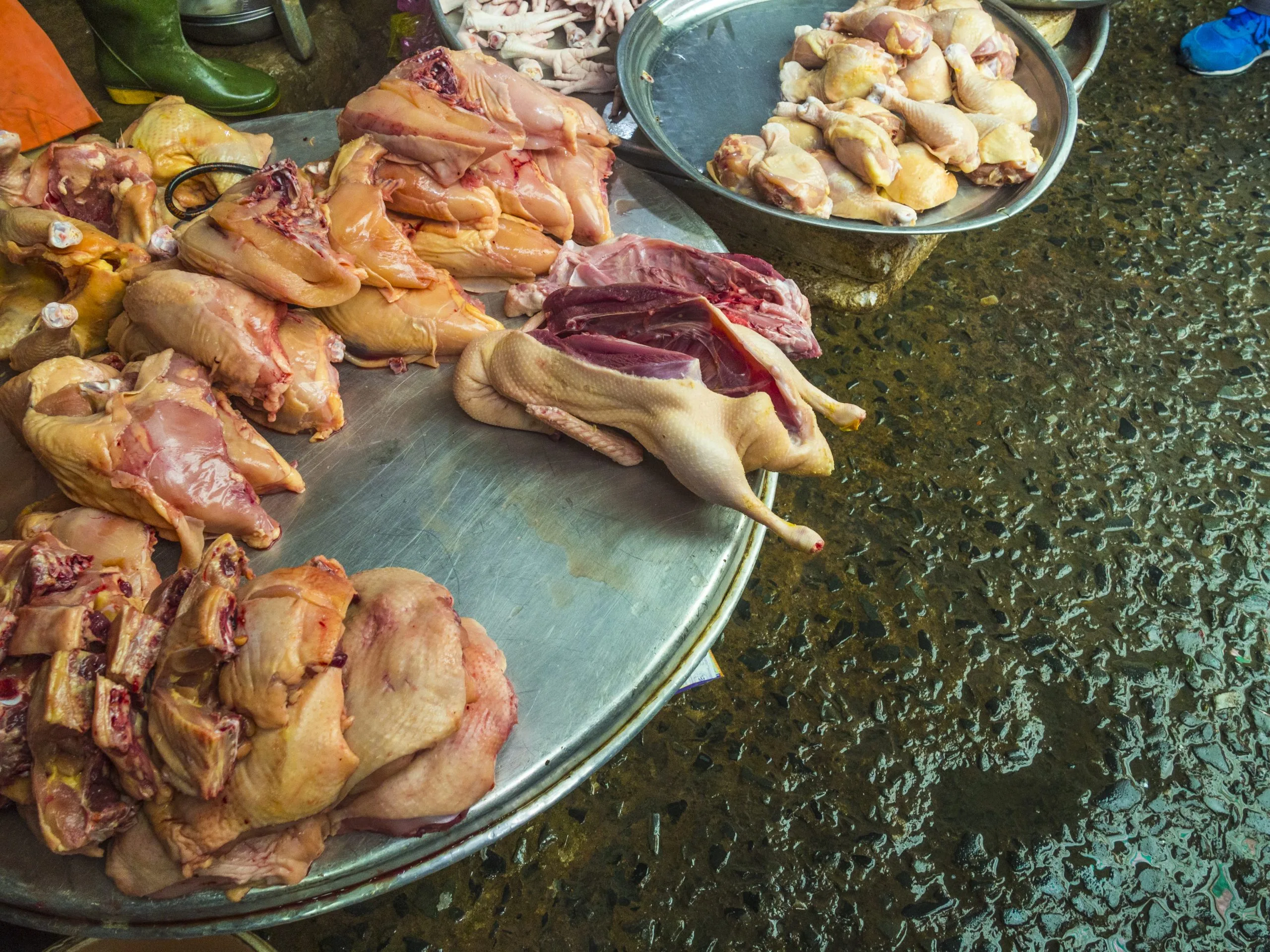
The Vietnam Poultry Meat Market is experiencing steady growth, supported by rising income levels, urbanization, and increasing demand for affordable protein sources. Poultry production in the country has reached approximately 2.4–2.46 million tons, highlighting strong supply capabilities. At the same time, chicken consumption has crossed 1.9 million tons, reflecting growing adoption across households and foodservice sectors. With a population exceeding 100 million, demand continues to surge steadily. Beyond statistics, poultry has become an everyday staple in Vietnamese diets due to its affordability, versatility, and role as a healthier alternative to traditional meat options.
Key Drivers Accelerating the Vietnam Poultry Meat Market Growth
Rising Demand for Affordable and Accessible Protein
The Vietnam Poultry Meat Market is largely driven by increasing consumer demand for cost-effective protein sources. As incomes rise and dietary patterns shift, poultry has emerged as a preferred alternative to pork and beef. Chicken consumption has grown significantly, reaching nearly 1.9 million tons in recent years. This increase also reflects changing consumer priorities, with a growing focus on nutrition and balanced diets. Moreover, poultry’s affordability makes it accessible across different income groups. This widespread acceptance is gradually reshaping the country’s overall meat consumption patterns.
Expansion of Industrial Farming and Production Capacity
A major transformation in the Vietnam Poultry Meat Market is the shift from traditional small-scale farming to large-scale industrial production. The poultry population now exceeds 584 million birds, demonstrating the industry’s scale. Production growth has been consistent, with poultry output increasing at an average annual rate of around 6.9 percent. Advancements in breeding, feed quality, and farm management are enhancing productivity. These improvements are enabling producers to meet rising domestic demand while also increasing export potential.
Growth of Retail, Foodservice, and Processed Poultry Segments
Modern retail formats and foodservice outlets are playing a crucial role in shaping the Vietnam Poultry Meat Market. Supermarkets, convenience stores, and quick-service restaurants are driving demand for high-quality poultry products. The rising demand for processed and ready-to-cook poultry is also transforming the industry. Consumers increasingly prefer convenience, especially in urban areas with fast-paced lifestyles. E-commerce platforms are further expanding product accessibility, creating new opportunities for businesses to reach a wider customer base.
Government Support Strengthening the Vietnam Poultry Meat Market
The Vietnamese government has been actively promoting the development of the poultry sector through policies focused on modernization, food safety, and production efficiency. Efforts to improve breeding technologies, enhance biosecurity measures, and support large-scale farming are strengthening the industry. Poultry is considered a key livestock segment alongside pork and cattle, contributing to national food security. These initiatives are encouraging investment and helping the industry transition toward a more structured and competitive ecosystem.
Competitive Dynamics in the Vietnam Poultry Meat Market
The Vietnam Poultry Meat Market is moderately competitive, with a mix of domestic producers and international players. Local companies dominate production, while imports also play a role in meeting demand. Imports of frozen poultry range between 200,000–300,000 tons annually, intensifying market competition. Companies are focusing on improving product quality, traceability, and processing capabilities to stay competitive. As consumer preferences evolve, branding and value-added products are becoming key differentiators.
Key Challenges Affecting the Vietnam Poultry Meat Market
Competition from Imports and Price Volatility
The Vietnam Poultry Meat Market faces significant competition from imported poultry products, which offer competitive pricing. Imports account for a noticeable share of domestic consumption, putting pressure on local producers. Price fluctuations, driven by supply-demand imbalances, also create uncertainty in the market. Producers must continuously adapt to maintain profitability.
Disease Risks and Supply Chain Limitations
Avian diseases and biosecurity risks remain major concerns for the poultry industry. Outbreaks can disrupt production and impact consumer confidence. Additionally, supply chain inefficiencies and uneven infrastructure development across regions pose challenges. Addressing these issues is essential for ensuring consistent growth.
Future Outlook
The Vietnam Poultry Meat Market is expected to continue its steady expansion, driven by rising consumption, improved production capabilities, and growing urban demand. With poultry production already exceeding 2.4 million tons and consumption continuing to rise, the market holds strong potential for further growth. In the coming years, advancements in technology, expansion of processed poultry segments, and government support will shape the industry. Vietnam is gradually positioning itself as both a strong domestic market and an emerging player in regional poultry trade.
Consultants at Nexdigm, in their latest publication “Vietnam Poultry Meat Market Outlook to 2035,” analyze the sector By Product Type (Chicken Meat, Duck Meat, Turkey Meat, Quail Meat), By Meat Type (Fresh Poultry Meat, Frozen Poultry Meat, Processes Poultry Meat).
Nexdigm suggests that businesses should capitalize on opportunities in the Vietnam Poultry Meat Market by strengthening production efficiency, investing in modern farming technologies, and enhancing supply chain integration to meet the rising domestic demand.
To take the next step, simply visit our Request a Consultation page and share your requirements with us.
Harsh Mittal
+91-8422857704