
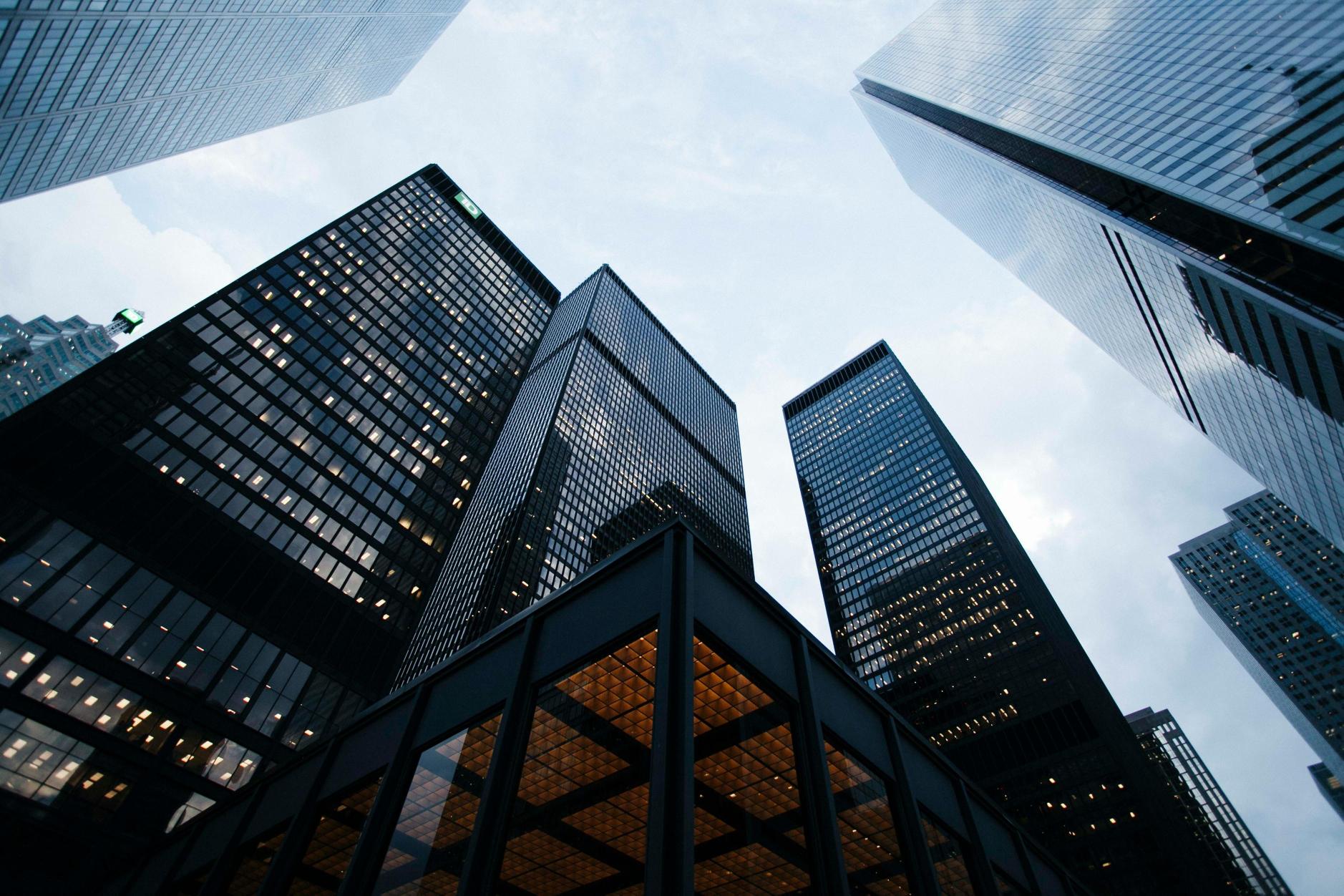
Vietnam’s rainscreen cladding market is experiencing steady growth, supported by rapid urbanization, increasing construction activity, and rising investment in commercial and industrial infrastructure. Rainscreen cladding systems are gaining popularity due to their ability to enhance building aesthetics, energy efficiency, and weather resistance. Strong foreign direct investment (FDI) inflows into manufacturing and real estate have accelerated demand for modern building envelope solutions. Additionally, the expansion of green-certified buildings across major cities such as Ho Chi Minh City and Hanoi is creating new opportunities for advanced façade and cladding materials, positioning the market for sustained development.
Market Drivers Advancing the Vietnam Rainscreen Cladding Growth
Rising Foreign Investment and Industrial Development
Vietnam continues to attract substantial foreign investment, strengthening demand for commercial, industrial, and institutional construction projects. Registered FDI increased from USD 36.6 billion to USD 38.23 billion in the latest period, while the manufacturing and processing sector attracted approximately USD 25.58 billion. The growth of industrial parks and manufacturing facilities in provinces such as Bac Ninh, Binh Duong, and Hai Phong is driving the need for durable and energy-efficient exterior cladding systems. Industrial developers increasingly prefer rainscreen cladding because it provides superior thermal insulation, moisture management, and long-term durability. As multinational manufacturers expand operations in Vietnam, demand for modern construction materials is expected to rise significantly.
Growth in Green Buildings and Sustainable Construction
Sustainability has become a key priority in Vietnam’s construction sector. The country’s certified green building stock has expanded to 559 buildings, covering more than 13.5 million square meters. Ho Chi Minh City alone accounts for approximately 3.4 million square meters of certified green floor space. Rainscreen cladding systems support green building objectives by improving energy efficiency and reducing building cooling requirements. Architects and developers increasingly incorporate advanced façade solutions into office buildings, hotels, shopping centers, and residential projects to achieve sustainability certifications and comply with evolving environmental standards.
Urbanization and High-Rise Construction Boom
Rapid urbanization in major cities continues to stimulate construction activity. Ho Chi Minh City and Hanoi remain the primary centers for high-rise residential, commercial, and mixed-use developments. Growing demand for modern architectural designs and premium building exteriors has increased the adoption of aluminum composite panels, fiber cement boards, and metal cladding systems. This trend is expected to remain a key growth catalyst for the rainscreen cladding market.
Government Initiatives Supporting Vietnam Rainscreen Cladding Industry
The Vietnamese government actively promotes sustainable urban development and green construction practices through various building efficiency programs and environmental policies. Infrastructure development plans, industrial zone expansion initiatives, and regulations encouraging energy-efficient construction are supporting demand for advanced building materials. Government efforts to attract foreign investment into manufacturing and real estate sectors further stimulate construction activity, creating favorable conditions for rainscreen cladding adoption across residential, commercial, and industrial projects.
Competitive Landscape of Vietnam Rainscreen Cladding Sector
The Vietnam rainscreen cladding market features a mix of international and regional manufacturers supplying aluminum composite panels, fiber cement cladding, metal façades, and high-performance exterior systems. Companies compete through product innovation, energy-efficient solutions, durability, and customized architectural designs. Strategic partnerships with developers, contractors, and architects play a critical role in strengthening market presence. Increasing demand for sustainable construction materials is also encouraging suppliers to expand environmentally friendly product portfolios.
Challenges Impacting Vietnam Rainscreen Cladding Industry
Volatility in Raw Material Prices
The market faces challenges from fluctuating costs of aluminum, steel, and other construction materials. Price volatility can impact project budgets and reduce profitability for manufacturers and contractors. Supply chain disruptions and global commodity market fluctuations may further increase procurement uncertainties.
High Initial Installation Costs
Although rainscreen cladding systems offer long-term benefits, their upfront installation costs can be higher than conventional exterior finishes. Cost-sensitive developers, especially in smaller projects, may be reluctant to adopt premium façade solutions, limiting market penetration in certain segments.
Future Outlook
The future of the Vietnam’s rainscreen cladding market remains positive, driven by increasing urban development, expanding industrial investments, and the growing popularity of sustainable construction practices. Rising demand for energy-efficient building envelopes, coupled with the continuous expansion of green-certified buildings, is expected to support market growth. Technological advancements in lightweight and durable cladding materials will further enhance adoption. As Vietnam strengthens its position as a regional manufacturing hub and continues attracting foreign investment, demand for modern façade systems is likely to increase steadily across commercial, residential, and industrial sectors.
Consultants at Nexdigm, in their latest publication “India Rainscreen Cladding Market Outlook to 2035 ,” analyze the sector By (Market Definitions and Assumptions, Vietnam Rainscreen Cladding Market Classification, Building-Envelope Scope, Ventilated Facade Mapping, Pressure-Equalized Rainscreen Assessment, Open-Joint Rainscreen Assessment, Closed-Joint Rainscreen Assessment).
Nexdigm suggests that businesses in the Vietnam Rainscreen Cladding Industry focus on sustainable façade solutions, energy-efficient materials, and strategic partnerships with developers. Growing foreign investment, industrial expansion, and rising green building adoption are creating significant opportunities for long-term market growth and innovation.
To take the next step, simply visit our Request a Consultation page and share your requirements with us.
Harsh Mittal
+91-8422857704