
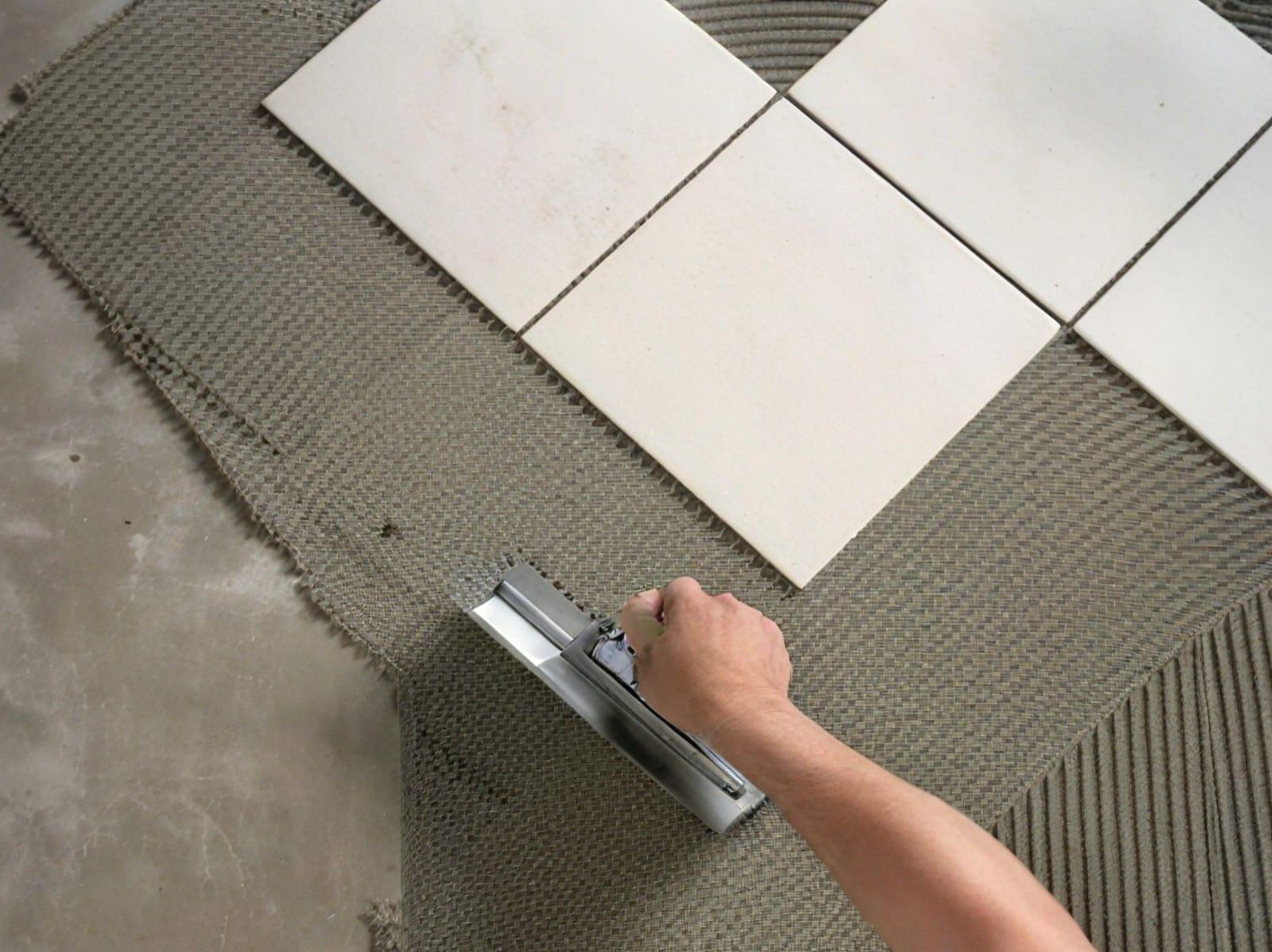
Vietnam’s construction sector continues to evolve as rapid urbanization, expanding residential projects, and infrastructure investments reshape the country’s built environment. Tile adhesives have become an essential component of modern construction, offering superior bonding performance compared to traditional cement-sand mortar methods. With Vietnam’s urbanization rate exceeding 40% and the construction industry contributing significantly to national economic activity, demand for efficient and durable tile installation solutions is rising steadily. Growth in high-rise housing, commercial developments, and renovation activities is creating strong opportunities for tile adhesive manufacturers across the country.
Market Drivers Advancing the Vietnam Tile Adhesives Industry
Rising Residential and Urban Development Activity
Vietnam’s growing urban population is fueling continuous demand for new housing projects. Cities such as Ho Chi Minh City, Hanoi, and Da Nang are witnessing extensive construction of apartments, mixed-use developments, and affordable housing projects. The government’s long-term urban development plans are encouraging both public and private sector investments in real estate. The country records hundreds of thousands of new residential units annually, while the construction industry accounts for approximately 6-7% of national GDP. As modern buildings increasingly utilize ceramic, porcelain, and large-format tiles, developers are shifting toward ready-to-use tile adhesives that improve installation efficiency, durability, and quality. This trend is particularly noticeable in premium residential and commercial projects where performance standards are higher.
Growth in Commercial Infrastructure and Tourism Projects
Vietnam remains one of Southeast Asia’s most active construction markets, supported by investments in hotels, retail centers, airports, industrial parks, and office complexes. The expansion of tourism infrastructure has generated significant demand for aesthetically appealing tiled surfaces in hospitality establishments. Large commercial projects require advanced tile adhesive formulations capable of supporting heavy foot traffic and demanding environmental conditions. Flexible and high-strength adhesives are increasingly preferred for shopping malls, airports, and luxury hotels. The growth of industrial zones and foreign direct investment is also contributing to increased construction activity nationwide.
Shift Toward High-Performance Construction Materials
Contractors and architects are becoming more aware of the advantages offered by modern tile adhesives, including improved adhesion, reduced material wastage, faster installation, and longer service life. The increasing adoption of large-format tiles and premium flooring solutions is encouraging the use of polymer-modified adhesives. Manufacturers are introducing specialized products designed for moisture resistance, heat tolerance, and exterior applications. As construction quality standards continue to improve, professional installers are moving away from conventional methods and embracing technologically advanced adhesive solutions.
Government Initiatives Supporting the Vietnam Tile Adhesives Industry
The Vietnamese government continues to support construction sector growth through investments in transportation, urban infrastructure, smart city development, and affordable housing initiatives. Major infrastructure programs, including expressways, airport expansions, and urban transit projects, are stimulating demand for construction materials. Additionally, policies encouraging sustainable building practices and modernization of the construction industry are creating opportunities for manufacturers offering advanced and environmentally friendly tile adhesive products.
Competitive Landscape of the Vietnam Tile Adhesives Sector
The market features a mix of international and domestic participants competing through product innovation, distribution networks, and technical support services. Leading companies include Saint-Gobain Weber, Sika Vietnam, Mapei, ARDEX, LATICRETE, and several regional manufacturers. Companies are increasingly focusing on premium adhesive solutions, contractor education programs, and sustainable product development to strengthen their market position. Strategic partnerships with distributors and construction firms remain important competitive strategies.
Challenges Facing Vietnam’s Tile Adhesives Industry
Volatility in Raw Material Costs
Manufacturers face persistent pressure from fluctuations in the prices of cement, polymers, additives, and transportation services. Rising input costs can affect profitability and lead to pricing challenges within the highly competitive market.
Competition from Traditional Installation Practices
Despite growing awareness, traditional cement-sand mortar methods remain widely used in smaller construction projects due to cost sensitivity and familiarity among local contractors. Educating end users and installers about the long-term benefits of tile adhesives continues to be a key challenge for industry participants.
Future Outlook
Vietnam’s tile adhesives market is expected to maintain strong momentum through the forecast period, supported by sustained urbanization, infrastructure expansion, and increasing adoption of modern construction materials. Growing demand for high-performance tiles, green buildings, and premium residential developments will further strengthen market prospects. Technological advancements, sustainable product innovation, and greater awareness among contractors are likely to accelerate market penetration. As Vietnam continues upgrading its construction landscape, tile adhesives will play an increasingly important role in delivering durable, efficient, and aesthetically appealing building solutions.
Consultants at Nexdigm, in their latest publication “Vietnam Tile Adhesives Market Outlook 2035” analyze the sector By Adhesive Technology (White Tile and Stone Tile, Dispersion Tile Adhesives), By Tile and Stone Type (Natural Stone, Glass Tiles and Mosaic Tiles) and By building Type (Hotels and Resorts, High-Rise Apartments and Mixed-Use Developments).
Nexdigm suggests that businesses in “Vietnam Tile Adhesives Industry” focusses on oilfield, desalination, construction, and industrial applications, strengthen local warehousing, develop application-specific grades, improve technical support, and build resilient sourcing networks to serve expanding energy, water, and manufacturing demand.
To take the next step, simply visit our Request a Consultation page and share your requirements with us.
Harsh Mittal
+91-8422857704