
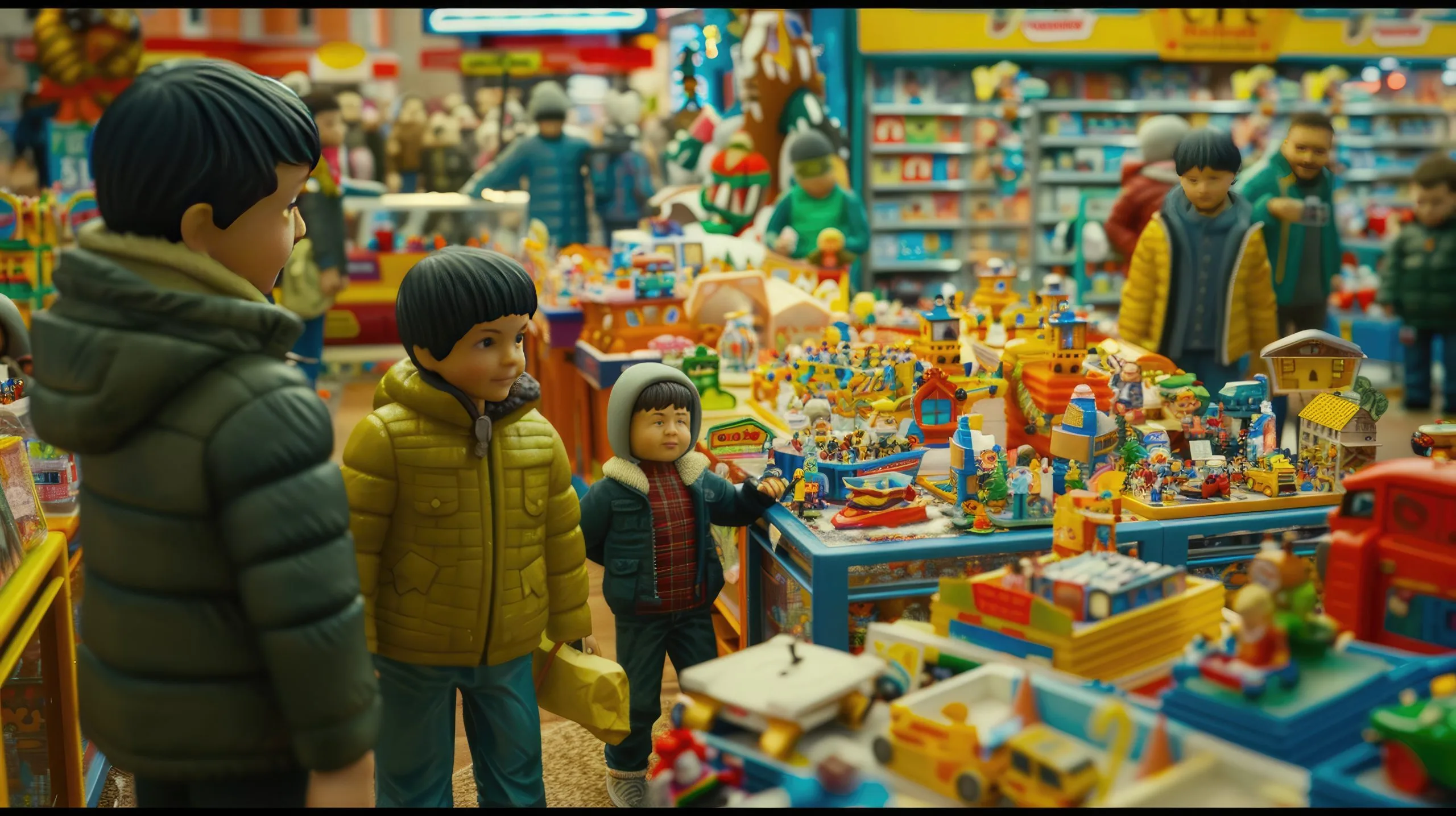
The Vietnam toys and games market is growing as families, schools, and young consumers look for products that offer more than basic entertainment. Toys are increasingly being used to support learning, creativity, motor skills, communication, and family interaction. The market includes traditional toys, puzzles, board games, dolls, construction sets, outdoor toys, educational products, licensed merchandise, collectibles, and digital-linked play items. Vietnam’s toys market is growing rapidly. This growth reflects stronger urban consumption, rising interest in branded toys, and wider access through online retail. By the next decade, the market is expected to become more organized, more digital-led, and more focused on safe and development-oriented play.
Key Factors Driving the Vietnam Toys and Games Market
Educational Toys Gain Stronger Attention from Parents
Educational toys are becoming an important part of the Vietnam toys and games market as parents place more value on early learning and child development. STEM toys, puzzles, building blocks, science kits, language games, art products, and activity-based toys are gaining attention because they help children build problem-solving ability, creativity, communication skills, motor skills, and cognitive development. This trend is supported by rising household incomes, urban lifestyles, and parents’ interest in screen-balanced learning. Many families want toys that keep children engaged while also helping them develop useful skills at home. As parents become more selective, brands that offer safe, age appropriate, and development-focused toys are likely to gain stronger market acceptance. Clear learning benefits, durable materials, and child-safe design will matter more as the market matures.
Online Platform Channels Make Toys More Accessible Across Vietnam
E-commerce is changing how Vietnamese consumers discover and buy toys and games. Online marketplaces, social media stores, brand websites, and mobile shopping apps allow parents and gift buyers to compare prices, read reviews, check product details, and access a wider range of toys. This has made toy shopping more convenient, especially for busy urban households. In the last year, Vietnamese consumers spent around USD 79 million buying 24.97 million toys on major e-commerce platforms, showing the growing role of digital retail in this category. Online channels are also useful outside major cities, where organized toy retail may be limited. They help imported brands, domestic sellers, and niche educational toy companies reach more households. Social commerce, livestream selling, festive promotions, and app-based shopping are expected to further influence toy purchases. Brands with strong digital visibility and reliable delivery networks are likely to benefit.
Branded Licensed and Interactive Toys Create New Demand
Vietnamese consumers are showing rising interest in branded, licensed, and interactive toys. Products linked to cartoons, films, games, anime, and popular characters are attracting children, teenagers, and gift buyers. These toys often carry emotional value because they connect children with familiar stories, characters, and entertainment content. As disposable incomes rise, families are becoming more willing to spend on toys that offer better quality, safety, durability, and design. Interactive toys, digital-linked products, board games, puzzles, and family play items are also gaining attention as households look for engaging entertainment options at home. This creates opportunities for companies that can combine affordability with trusted quality. Brands that understand local preferences while also tapping into global entertainment trends are likely to build stronger consumer loyalty.
Government Initiatives to boost Vietnam’s Toys Market Growth
Government influence in Vietnam’s toys and games market is mainly linked to product safety, import regulation, consumer protection, and child development. Toys sold in the country are subject to quality and safety requirements, especially for children’s products involving materials, labeling, age suitability, and product information. These rules help protect consumers and support trust in certified toys. Vietnam’s broader focus on manufacturing, exports, and industrial development also creates opportunities for toy production and sourcing. As more companies look for diversified manufacturing bases in Asia, Vietnam may benefit from its export-oriented industrial ecosystem. Over time, stronger safety compliance and formal retail channels will become more important for long-term market development. Brands that can prove product safety and maintain consistent quality will be better positioned.
Competitive Landscape of the Vietnam Toys and Games Market
The Vietnam toys and games market includes domestic toy companies, international brands, importers, distributors, e-commerce sellers, specialty retailers, supermarkets, and informal market participants. Competition is shaped by price, product safety, brand recognition, design, licensing, distribution reach, and online visibility. International brands often compete in premium, branded, and licensed categories, while local players focus on affordability, regional distribution, and culturally relevant products. E-commerce has allowed smaller sellers to reach consumers directly, but it has also increased price competition and made consumer reviews more influential. As buyers become more informed, companies will need to compete on more than low prices. Trust, certification, durability, learning value, attractive design, and consistent availability will become stronger differentiators.
Challenges Facing the Vietnam Toys and Games Market
Price Sensitivity and Informal Competition Pressure Brands
Price sensitivity remains one of the main challenges in Vietnam’s toys and games market. Many consumers still compare products mainly on affordability, especially in mass-market toy categories. This can create margin pressure for certified, branded, and higher-quality products that require better materials, testing, packaging, and distribution support. Informal sellers and low-cost imports also create strong competition. These products may attract buyers through lower prices, but they can make it harder for compliant brands to communicate the value of certified quality and safer design.
Safety and Quality Concerns Affect Consumer Trust
Safety remains an important concern, particularly for toys sold through informal or unverified channels. Low-quality materials, poor labeling, small detachable parts, weak durability, and unclear age guidance can affect consumer confidence. These issues are especially important because toys are used directly by young children. As awareness improves, parents are expected to pay closer attention to certified products, trusted sellers, and clear product information. Brands that invest in certification, transparent labeling, and quality assurance will be better positioned for long-term growth.
Future Outlook
The Vietnam toys and games market is expected to grow steadily supported by urbanization, rising incomes, digital retail, educational toys, branded products, and family entertainment demand. E-commerce will continue to expand access, while physical retail will remain important for product discovery, gifting, and seasonal purchases. Future growth will depend on how well companies balance affordability, safety, innovation, and local relevance. STEM toys, interactive games, sustainable materials, licensed products, digital-linked play experiences, and trusted online retail strategies are expected to create strong opportunities. By 2035, Vietnam’s toys and games market is likely to become more organized, more brand-led, and more focused on safe, meaningful, and development-oriented play.
Consultants at Nexdigm, in their latest publication “Vietnam Toys & Games Market Outlook to 2035,” analyze the sector By Product Type (Building Sets, Puzzles, Plush Toys, Action Figures, Playsets, Dolls, Roll Play Toys), by Age Groups (Infants, Toddlers, Adults, Pre School Children, Primary School Children), by Distribution Channel (Specialty Stores, E Commerce Marketplaces, Supermarkets, Grocery Stores)
Nexdigm suggests that businesses should focus on product innovation, safety compliance, omnichannel retail strategies, and consumer-specific product portfolios to strengthen their position in the Vietnam toys and games market. Companies should also track licensed entertainment trends, invest in educational and interactive toys, and build flexible supply chains to manage seasonal demand and fast-changing consumer preferences.
To take the next step, simply visit our Request a Consultation page and share your requirements with us.
Harsh Mittal
+91-8422857704