
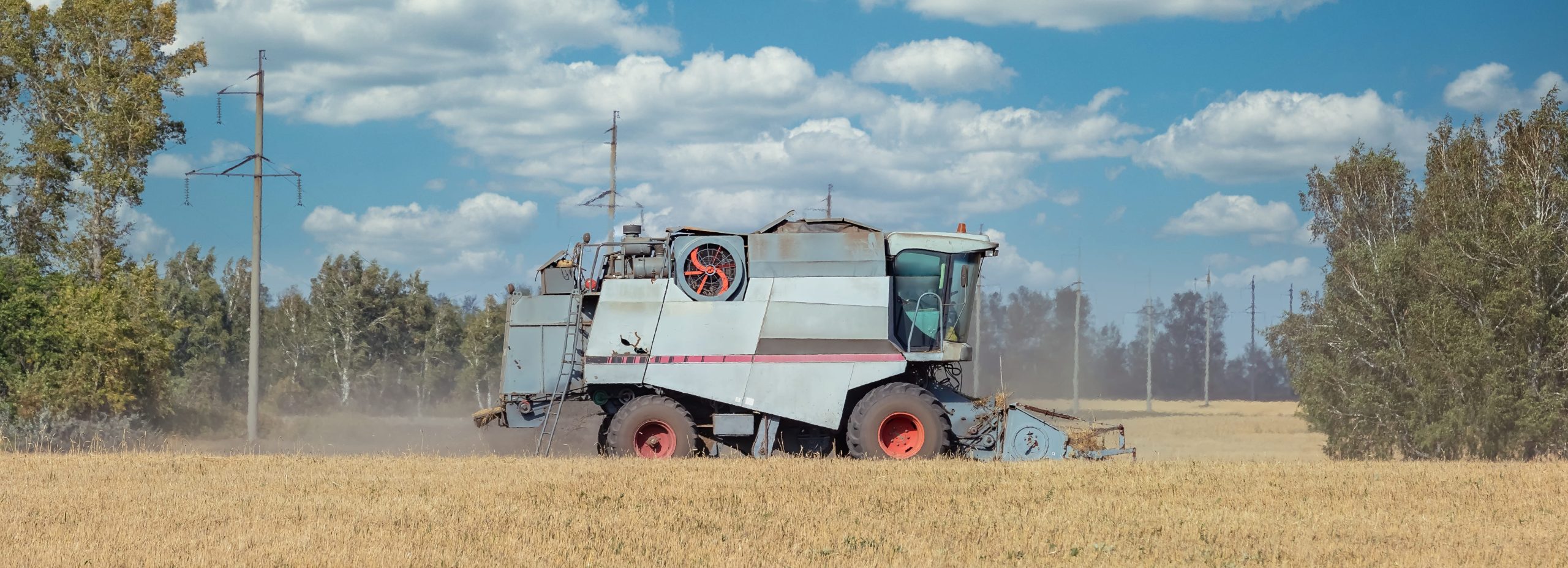
Vietnam’s agricultural machinery market is going through a structural shift as labor shortages, rising farm wages, and government-backed mechanization programs push farmers toward greater equipment adoption. As of 2026, Vietnam remains one of Southeast Asia’s largest rice producers, yet small and fragmented landholdings continue to dominate cultivation. New combine harvesters remain expensive for small and mid-sized farmers, resulting in strong demand for pre-owned and refurbished harvesters. A growing share of harvesters in Vietnam’s secondary market originate from Japan, China, and Thailand, typically entering resale channels after 5–8 years of operation. The used harvester segment is gaining momentum due to affordability, expanding mechanized harvesting services, and the gradual consolidation of farming operations in the Mekong Delta and Red River Delta.
What’s Driving the Used Harvester Market in Vietnam?
Rising Labor Costs and Seasonal Workforce Shortages
Vietnam’s rural labor pool is shrinking as younger workers migrate to urban manufacturing and service-sector jobs. During peak harvesting seasons, farmers face acute labor shortages and rising wage pressures. Used harvesters offer a cost-effective alternative for mechanization, allowing cooperatives and custom-harvesting service providers to serve multiple farms within short harvest windows. This is particularly critical in rice-producing provinces such as An Giang, Dong Thap, and Kien Giang, where timely harvesting directly impacts yield quality and post-harvest losses.
Farm Consolidation and Growth of Custom Harvesting Services
While Vietnam’s agriculture remains dominated by smallholders, land consolidation initiatives and cooperative farming models are slowly expanding operational farm sizes. This is driving demand for shared mechanized solutions. Custom-harvesting contractors are increasingly investing in used combine harvesters to expand service coverage without heavy capital expenditure. These contractors operate fleet-based models, creating consistent demand for mid-life machines with manageable maintenance costs.
High Import Dependence and Equipment Turnover
Vietnam relies heavily on imported harvesters from manufacturers such as Kubota Corporation, Yanmar Co., and Zoomlion. Due to high upfront prices of new machines, large farms and service operators typically upgrade fleets every few years to improve fuel efficiency and reduce downtime. This replacement cycle feeds inventory into the secondary market, ensuring steady availability of used harvesters. The growing inflow of refurbished Japanese machines is improving quality standards in the used segment, making second-hand equipment more reliable and acceptable to professional operators.
Government-Led Initiatives Supporting Mechanization
The Vietnamese government continues to promote agricultural modernization under its rural development and productivity enhancement programs. Mechanization support schemes, preferential credit through state-affiliated banks, and incentives for agricultural cooperatives are encouraging equipment adoption, particularly in rice, maize, and sugarcane harvesting. Provincial authorities in the Mekong Delta are prioritizing mechanized harvesting to reduce post-harvest losses and improve competitiveness of Vietnamese rice exports. These initiatives indirectly support the used harvester market by increasing overall machinery penetration and accelerating fleet replacement cycles.
Market Competition and Distribution Landscape
Vietnam’s used harvester market remains fragmented, with a mix of authorized dealer networks, independent traders, and informal cross-border importers. Organized players linked to global OEMs dominate higher-quality refurbished machines, while price-sensitive buyers often rely on independent resellers. The emergence of digital equipment marketplaces and social-commerce channels is improving price transparency and widening buyer access, especially in rural provinces. Over time, certified refurbishment programs, financing options, and bundled maintenance contracts are expected to formalize the secondary market.
Fragmented Landholdings and Maintenance Constraints
Small plot sizes limit the operational efficiency of large harvesters, constraining demand to compact and mid-capacity machines. In addition, inconsistent maintenance practices and limited access to spare parts in remote provinces increase downtime risks. Informal imports also raise concerns around machine quality, documentation, and after-sales support, impacting buyer confidence.
Future Outlook
Vietnam’s used harvester market is expected to witness steady growth through 2035, supported by mechanization needs, labor scarcity, and the expansion of service-based harvesting models. By 2035, the market is likely to become more structured, with higher penetration of certified refurbished equipment, broader financing availability, and stronger dealer-led service networks. Compact and mid-capacity combine harvesters will dominate demand, aligned with Vietnam’s fragmented farm structure. While new machinery adoption will rise gradually, the used segment will remain the primary entry point for mechanization among smallholders and cooperatives.
Consultants at Nexdigm, in their latest publication “Vietnam Used Harvester Market Outlook to 2035”, analyzed the market by Harvester Type (Combine Harvesters, Rice Harvesters, Multi-Crop Harvesters), By Power Capacity (Below 70 HP, 70–120 HP, Above 120 HP), By Application (Rice, Maize, Sugarcane, Other Crops), and By Sales Channel (Authorized Dealers, Independent Traders, Online Platforms, Auctions). Nexdigm believes that businesses should prioritize certified refurbishment programs, localized spare parts networks, and financing partnerships with rural banks, while leveraging fleet solutions for custom-harvesting service providers as key growth levers in Vietnam’s secondary harvester market.
To take the next step, simply visit our Request a Consultation page and share your requirements with us.
Harsh Mittal
+91-8422857704