
How Geopolitical Risks are Redefining Global Pharmaceutical Supply Chains
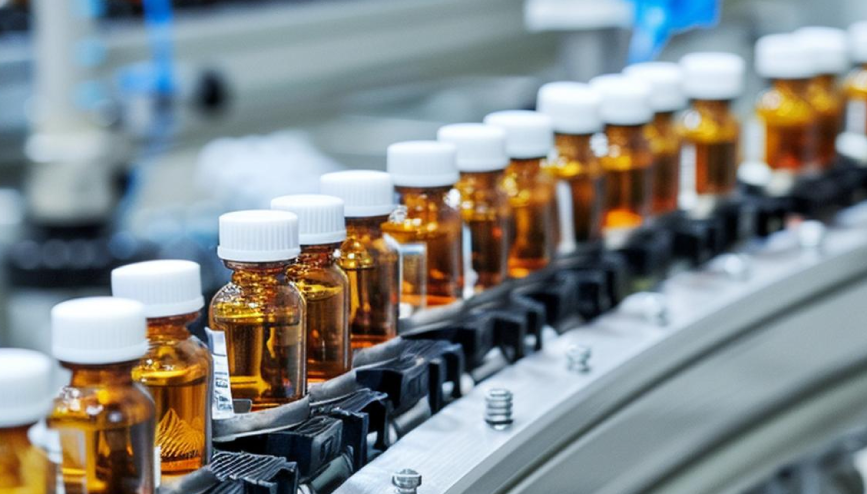
The Pharmaceutical industry built one of the world's most complex supply chains by embracing globalization, expanding supplier networks, optimizing inventory, and adopting highly efficient procurement models. The guiding principle was straightforward: manufacture where it is most cost-effective, source where it is most efficient, and deliver through an interconnected logistics network.
This model transformed healthcare. A medicine developed in Switzerland could contain active pharmaceutical ingredients (APIs) from India, excipients from China, packaging materials from Europe, and be distributed through logistics hubs in the Middle East before reaching a patient. Efficiency became the benchmark of success.
Recent geopolitical events, however, have exposed the limitations of the pharmaceutical supply chain designed primarily for efficiency. The COVID-19 pandemic, the war in Ukraine, disruptions in the Red Sea, trade tensions, and the Iran conflict have demonstrated that pharmaceutical supply chains can no longer rely on geopolitical stability.
What Makes Pharmaceutical Supply Chains Vulnerable to Disruption
Unlike consumer goods, medicines cannot simply be stored in warehouses or be easily substituted. Many pharmaceutical products require strict temperature control, country-specific regulatory approvals, and uninterrupted availability.
Pharmaceutical products often cross multiple international borders before reaching patients. While this interconnected ecosystem has improved access to medicines worldwide, it has also created significant vulnerabilities. Disruptions to shipping lanes, rising fuel costs, or restricted airspace increase sourcing costs, extend lead times, complicate inventory planning, and delay the delivery of essential medicines.
Unlike most industries, pharmaceutical supply chains do not simply move products —they sustain public health.
Why Do Geopolitical Risks Matter for Pharmaceutical Supply Chains
The Iran conflict is a reminder that geopolitical events rarely remain regional. Modern pharmaceutical supply chains depend on stable transportation corridors, energy markets, and predictable trade flows. When these are disrupted, the effects are felt globally.
Longer shipping routes, higher freight costs, rising insurance premiums, fuel price volatility, and reduced air cargo capacity create operational challenges throughout the supply chain. At the same time, the war in Ukraine, Red Sea disruptions, trade tensions, and climate-related events continue to reshape global sourcing and logistics.
Geopolitical risk is no longer an occasional disruption — it has become a permanent business reality.
What Are Five Lessons for Pharmaceutical Leaders
1. Efficiency Without Resilience Creates Supply Chain Risk
Cost optimization through supplier consolidation, lean inventory, and concentrated manufacturing improved efficiency but reduced flexibility. Future competitiveness depends on balancing efficiency with resilience.
2. Supplier Diversification Is a Strategic Necessity
Heavy dependence on a limited number of manufacturing locations increases exposure to geopolitical and operational risks. Multi-regional sourcing and stronger supplier relationships improve business continuity.
3. Visibility Is a Competitive Advantage
Organizations need greater visibility beyond direct suppliers. Technologies such as AI, predictive analytics, and supply chain control towers help identify risks early and enable proactive decision-making.
4. Procurement Has Become a Strategic Function
Procurement now extends beyond cost negotiations. It plays a critical role in enterprise risk management, supplier resilience, regulatory compliance, and ensuring uninterrupted supply during periods of uncertainty.
5. Patients Remain the Ultimate Priority
Supply chain metrics such as freight costs, lead times, and inventory turns are important, but every delayed shipment represents a patient waiting for treatment. Delays in oncology medicines, insulin, or vaccines have real healthcare consequences.
How Is the Industry Shifting from Cost Optimization to Intelligent Resilience
The pharmaceutical industry is entering an era where robustness must be built into every stage of the supply chain. This does not mean abandoning efficiency; it means expanding its definition to include adaptability, flexibility, and preparedness.
Organizations are increasingly investing in:
- Multi-regional manufacturing
- Dual sourcing of critical APIs
- Digital supply chain visibility
- Predictive risk monitoring
- Strategic inventory buffers
- Scenario planning
- Stronger collaboration with suppliers and logistics partners
The objective is no longer to build the cheapest supply chain—it is to build the most reliable one.
What Does the Future Hold for Pharmaceutical Supply Chains
Every geopolitical crisis serves as a stress test for global supply chains. The organizations that emerge stronger are those that prepare for uncertainty before disruption occurs.
The Iran conflict will eventually become history, but its lessons will remain. Global pharmaceutical supply chains can no longer assume stable markets, uninterrupted transportation routes, or the absence of localized geopolitical events.
The future belongs to organizations that prepare for uncertainty as deliberately as they pursue efficiency. In healthcare, resilience is no longer the opposite of efficiency—it is its evolution. The true measure of supply chain excellence is not how efficiently medicines move during stable times, but whether they continue to reach patients when the world is uncertain.
Recent Insights